
-
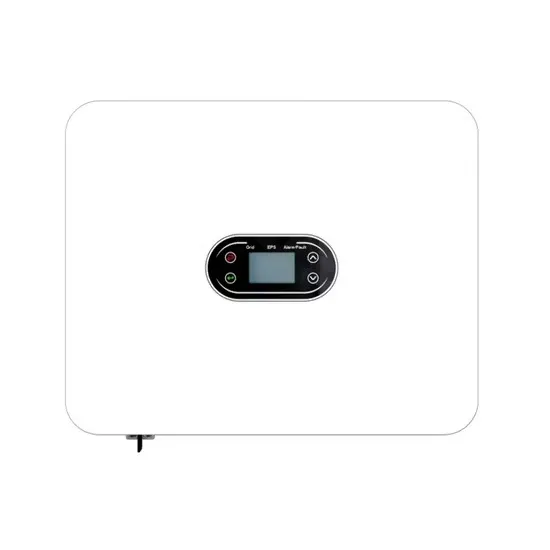
Which flow battery energy storage container is best in Papua New Guinea
Summary: Papua New Guinea"s growing energy demands require tailored lithium storage solutions. This article explores how customized lithium battery systems address remote electrification, mining operations, and renewable integration while boosting sustainability. The two electrolytes are separated by a membrane within the stack and ion exchange across this membrane creates the flow of. . The project encompasses the construction of a solar and battery energy storage system (BESS) minigrid to be built on the island of Buka, within the autonomous region of Bougainville in Papua New Guinea. We offer OEM/ODM solutions with our 15 years in lithium battery industry. What is a containerized energy. . As Papua New Guinea accelerates its renewable energy transition, the Port Moresby Energy Storage Battery Project emerges as a cornerstone for stabilizing power grids and integrating solar energy.
[PDF Version]
-
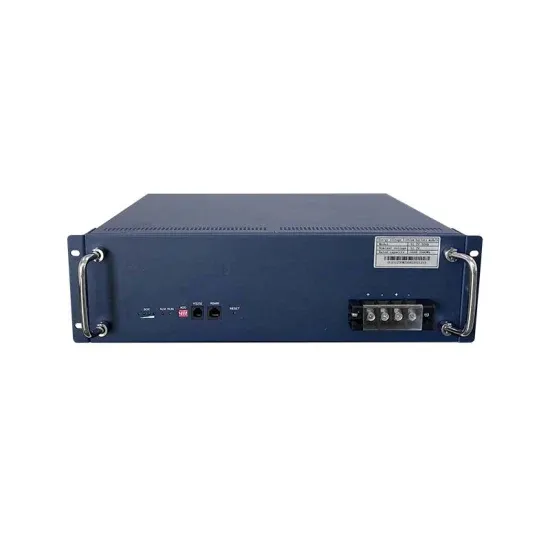
New Zealand battery energy storage box custom manufacturer
New Zealand's leading provider of custom-designed battery storage solutions. Customized and built for -40°C to 65°C. Deepsea, high-pressure, rugged, weatherproof, and reliable. Power optimization and emergency backup for business and industry. . BESSNZ is a company focused on offering a data driven informed flexible approach to energy management to provide savings. Our services include Network support to defer expensive upgrades of transformers, poles and wires. Commercial & Industrial (C&I) and large Residential battery energy storage. . Powerbox delivers high-performance power conversion and energy storage solutions, backed by local stock, engineering expertise, and end-to-end technical support across New Zealand. Our fully integrated, plug-and-play battery energy storage solutions (also known as BESS) come in different sizes, from 30 kVA to 1MW, to suit a wide. . Genesis is a prominent energy provider in Aotearoa, focused on renewable energy solutions and offering a range of generation assets. . With scalable solar energy storage systems that cut costs, boost resilience, and gives farms and businesses full control over your energy use.
[PDF Version]
-
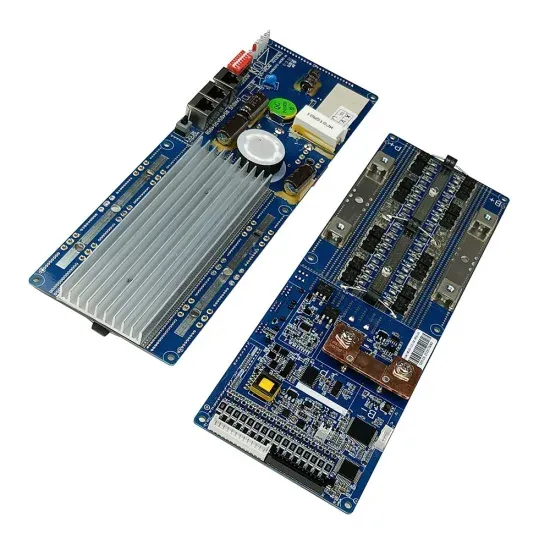
Large Energy Storage Liquid Flow Battery Price
As of 2024–2025, BESS costs vary significantly across different technologies, applications, and regions: Lithium-ion (NMC/LFP) utility-scale systems: $0. 35/kWh, depending on duration, cycle frequency, electricity prices, and financing costs. . Iron liquid flow batteries (IFBs) are gaining traction as a cost-effective solution for large-scale energy storage. Electrolyte Chemistry: Iron-chloride or iron-salt solutions are cheaper than vanadium. . Jasmine Young is a passionate writer and researcher specializing in battery technology, with a keen interest in its applications across various industries and its role in shaping a sustainable energy future. As prices evolve, the Levelized Cost of Storage (LCOS) presents a clear metric for assessing financial viability. LCOS calculates the average cost per kWh discharged throughout the. . Large energy storage batteries can range from $300 to $700 per kilowatt-hour, influenced by type, capacity, and installation needs.
[PDF Version]
-
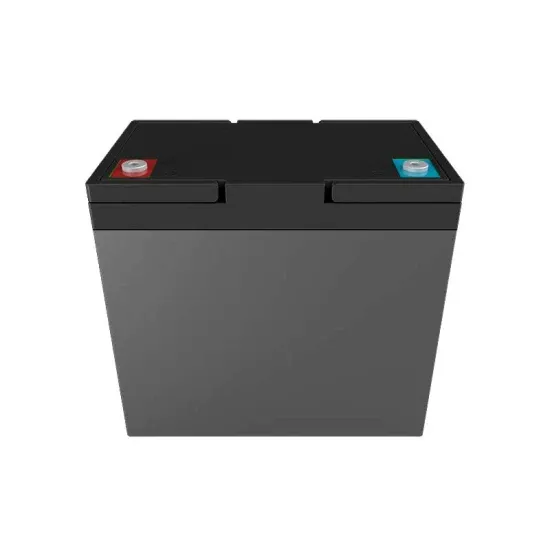
Liquid Flow Battery Electrolyte Energy Storage
Flow batteries are innovative systems that use liquid electrolytes stored in external tanks to store and supply energy. They're highly flexible and scalable, making them ideal for large-scale needs like grid support and renewable energy integration. You can increase capacity by adding more. . Next-level energy storage systems are beginning to supplement the familiar lithium-ion battery arrays, providing more space to store wind and solar energy for longer periods of time, and consequently making less room for fossil energy in the nation's power generation profile. Their unique design, which separates energy storage from power generation, provides flexibility and durability. For charging and discharging, these are pumped through reaction cells, so-called stacks, where H+ ions pass through a selective membrane from one side to the. . Flow batteries are rechargeable batteries where energy is stored in liquid electrolytes that flow through a system of cells. Unlike traditional lithium-ion or lead-acid batteries, flow batteries offer longer life spans, scalability, and the ability to discharge for extended durations. During discharge, chemical reactions release electrons on one side. These electrons move through an external circuit to power devices, making flow batteries. .
[PDF Version]
-
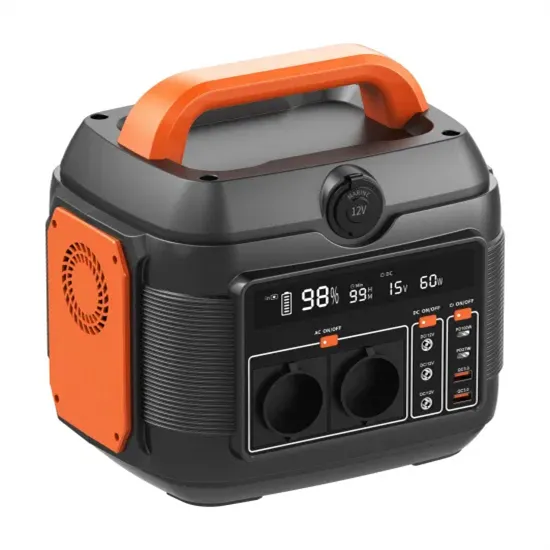
Ruipu New Energy Energy Storage Battery Planning
REPT Wenzhou Manufacturing Base Phase II Project with an annual output of 8GWh power and energy storage lithium-ion batteries and systems plans to invest 1. 5 billion yuan to introduce high-end technology in the lithium-ion battery manufacturing industry, and to build fully automatic. . SMM News: in July this year, the person in charge of Ruipu Energy said that it plans to start the second phase of the power and storage battery project in October, the second phase of capacity planning 6GWh. However, with the great increase in the installed capacity of its power batteries in recent. . Wenzhou, December 13, 2024 /PRNewswire/ -- Guided by the national dual-carbon strategy and new quality productivity, the lithium battery industry is moving towards a safer, more efficient and high-quality development path while achieving rapid development. 5 billion yuan! On October 9th, Ruipu Energy Co. The 18th SNEC International Solar. . ing base for upstream and downstream industries. The second phase project signed has a total investment of Yuan 7 billion and a designed annual. .
[PDF Version]
-
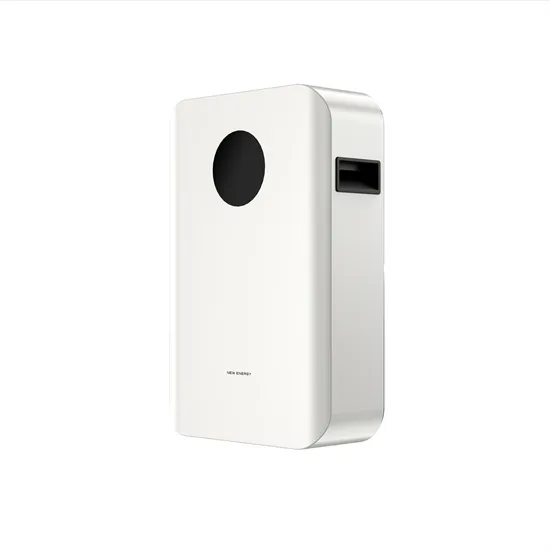
Liquid flow battery energy storage and solar container lithium battery energy storage
Lithium-ion and flow batteries are two prominent technologies used for solar energy storage, each with distinct characteristics and applications. Lithium-ion batteries are known for their high energy density, efficiency, and compact size, making them suitable for residential and commercial solar. . Researchers in Australia have created a new kind of water-based “flow battery” that could transform how households store rooftop solar energy. Credit: Stock Monash scientists designed a fast, safe liquid battery for home solar. The system could outperform expensive lithium-ion options. RFBs work by pumping negative and positive. . Next-level energy storage systems are beginning to supplement the familiar lithium-ion battery arrays, providing more space to store wind and solar energy for longer periods of time, and consequently making less room for fossil energy in the nation's power generation profile. Their next-generation flow battery opens the door to compact, high-performance battery systems for homes, and is expected to be much. .
[PDF Version]
 MENU