
-
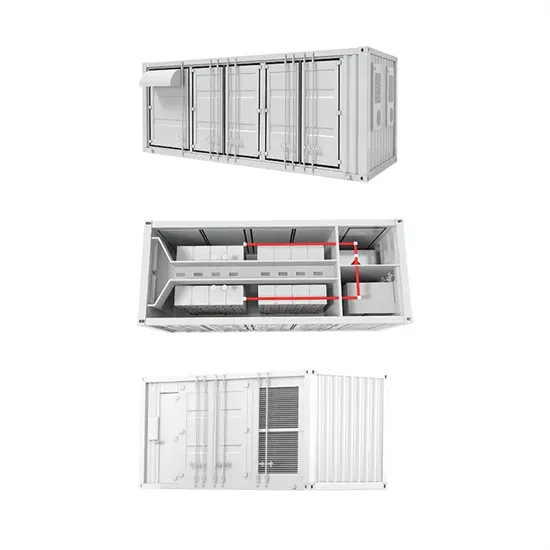
Cost of a 5MWh Microgrid Energy Storage Battery Cabinet for Port Use
5 million, depending on three key factors: Battery Chemistry: Lithium-ion dominates, but newcomers like lithium-sulfur promise 3x the storage at lower costs [1]. Toyota Prius of batteries—both work, but one's. . Prices swing between $1. Toyota Prius. . A 5MWh battery energy storage system (BESS) is a large-scale, high-power solution designed for grid peak shaving, renewable energy integration, large commercial and industrial parks, and microgrid projects. Cole, Wesley and Akash Karmakar. Cost Projections for Utility-Scale Battery Storage: 2023 Update. Capacity meaning: It can deliver 5MW for 1 hour, or lower power output for a longer duration. Current valuations exceed $12 billion annually, driven by industrial decarbonization mandates and grid modernization initiatives. What is your shipment? 1)By EMS,DHL,FedEx,TNT,UPS or other express. 2)By our forwarding agent (by air or by sea).
[PDF Version]
-
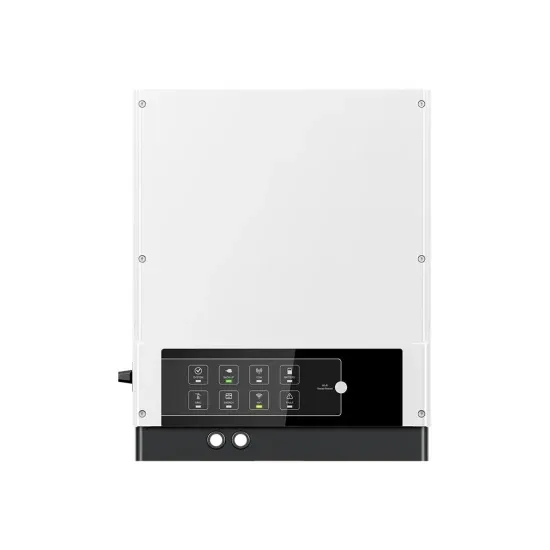
Slovenia solar energy storage solar energy storage cabinet lithium battery
Here's what buyers should consider: Battery Technology: Lithium-ion systems cost 20% more than lead-acid but last twice as long. Local Regulations: Slovenia's Renewable Energy Act mandates safety certifications, adding €3,000–€8,000 to compliance costs. . A bear wanders through Slovenia's Julian Alps while solar panels quietly charge lithium batteries that'll power nearby villages at night. This isn't a fairy tale – it's 2025's energy reality. Slovenia's solar energy storage sector is booming, with lithium battery installations growing 27%. . Slovenia is steadily accelerating its transition toward decentralized renewable energy, with solar power and battery energy storage systems (BESS) playing an increasingly strategic role. provide backup electricity during outages, 3. enhance energy autonomy, and 4. It is a vertically integrated organization that controls the entire process from assessment and design to product installation. solaroptimum Me?ica/Prevalje, 27. .
[PDF Version]
-
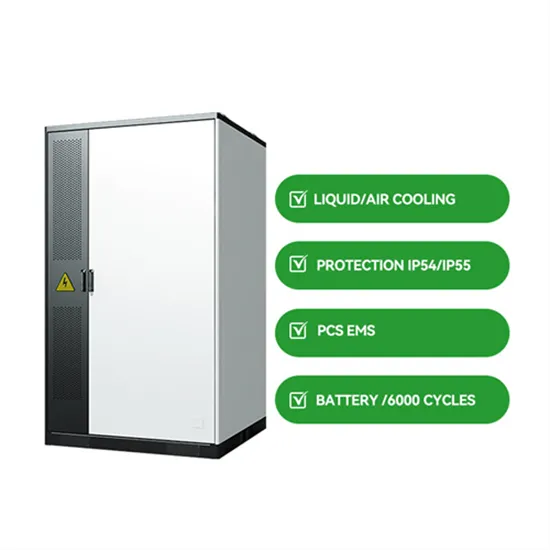
Solar energy storage cabinet lithium battery energy storage cell equipment
Featuring lithium-ion batteries, integrated thermal management, and smart BMS technology, these cabinets are perfect for grid-tied, off-grid, and microgrid applications. Explore reliable, and IEC-compliant energy storage systems designed for renewable integration, peak shaving, and backup power. . The LZY solar battery storage cabinet is a tailor-made energy storage device for storing electricity generated through solar systems. Constructed with long-lasting materials and sophisticated technologies inside. . The Cabinet offers flexible installation, built-in safety systems, intelligent control, and efficient operation. It has the characteristics of high energy density, high charging and discharging power. . AZE's all-in-one IP55 outdoor battery cabinet system with DC48V/1500W air conditioner is a compact and flexible ESS based on the characteristics of small C&I loads.
[PDF Version]
-
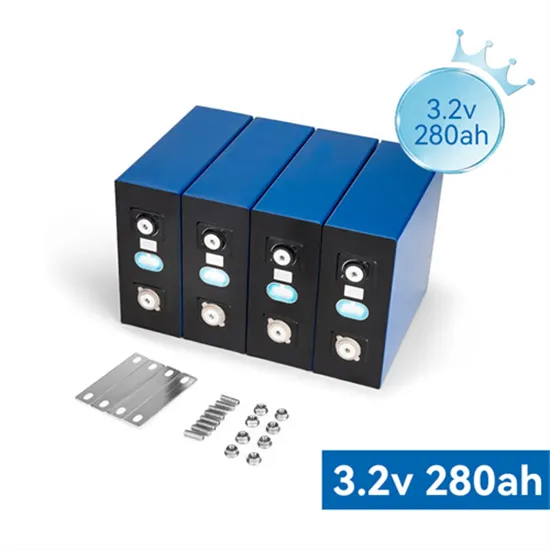
Energy company uses 30kW photovoltaic energy storage battery cabinet
Designed for commercial, industrial, and microgrid applications, it integrates a 30kW PCS with a 60kWh LiFePO₄ battery bank to provide safe, efficient, and reliable power storage. . This 30kWh solar system consists of 36*550W solar panels, 1*12kWh hybrid inverter, 6*5. 12kWh rack battery modules totaling a 30kW battery storage, and paired with necessary solar cables. The 30 kWh battery storage system can meet up to a high-demand home's power consumption requirements, such as. . HBOWA PV energy storage systems offer multiple power and capacity options, with standard models available in 20KW 50KWh, 30KW 60KWh, and 50KW 107KWh configurations. Parallelable Solutions: Parallel up to 3 cabinets together per. . commercial applications.
[PDF Version]
-
Battery safety of Lome energy storage cabinet
Designed to contain, protect, and regulate the conditions under which batteries are stored and charged, these cabinets combine technical precision with regulatory compliance to reduce the risk of fire, overheating, and chemical exposure. . Battery Energy Storage Systems, or BESS, help stabilize electrical grids by providing steady power flow despite fluctuations from inconsistent generation of renewable energy sources and other disruptions. While BESS technology is designed to bolster grid reliability, lithium battery fires at some. . To address these risks, lithium battery storage cabinets have been developed as a key safety measure. Our practical, durable cabinets are manufactured from aluminum, and lined with CellBlock's Fire Containment Panels. Whether you're looking for fire protection, safe charging options, or the ability to move your storage unit, these considerations will help you make informed decisions.
[PDF Version]
-
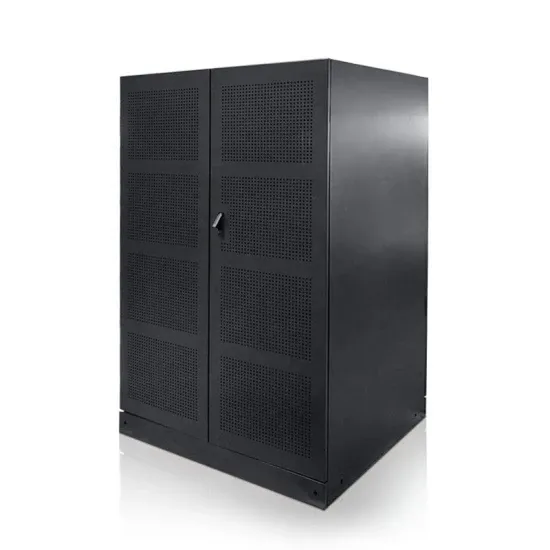
2MW Battery Energy Storage Cabinet for Production Line Clearance Price
A typical 2MW/4MWh system in 2025 ranges from $1. 2M to $2M—but that's like saying “a car costs between $20k and $200k. The difference? Like buying a Ferrari versus building a kit car. . The cost of a 2MW battery storage system can vary significantly depending on several factors. **Battery Cost**: The battery is the core component of the energy storage system, and its cost accounts for a. . BMS: High-efficiency bidirectional equalization technology eliminates series connection losses; PCS: IP65 PCS, highly efficient IGBT, as high as 99. 3%; Distribution system: Integrate AC/DC power distribution and AC output. Higher capacity = higher upfront cost but better long-term ROI. Battery Chemistry: Lithium-ion dominates with $150-$250/kWh pricing, while lead-acid remains cheaper at $80-$150/kWh. System Voltage: Industrial cabinets typically operate at. . Understanding the Real Cost of Commercial Battery Energy Storage in 2026 ◆ What are the costs of commercial battery storage? ◆ Why invest now? With fluctuating energy prices and the growing urgency of sustainability goals, commercial battery energy storage has become an increasingly attractive. . The 2MW range is the Goldilocks zone for commercial projects—big enough to power factories but small enough to avoid utility-scale red tape. Recent projects like China's National Science Green Hydrogen initiative [10] show how pairing storage with renewables creates cost-effective solutions.
[PDF Version]
 MENU