
-
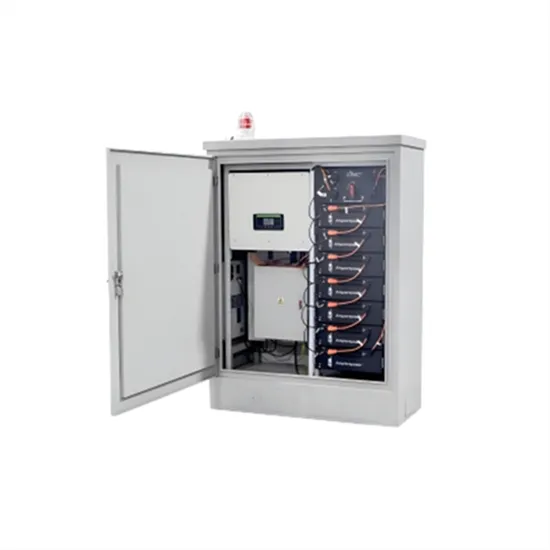
Feasibility Analysis Report of Industrial Energy Storage Cabinet
This report is available at no cost from the National Renewable Energy Laboratory (NREL) at www., Martin Springer, Hope Wikoff, Karlynn Cory, David Garfield, Mark Ruth, and Samantha Bench Reese. Golden, CO: National. . ty study by utilizing an energy storage device. The existing system has extensively studied by taking one-year data during the period 2019-2020 in terms of PV plant average energy output, capacity utilization factor, total energy outp using hydraulic fracturing in shale forma ions. Energy storage will play a fundamental role in enabling the transition to a greener, cleaner energy system. But will the specific. . Purpose The assessment of the economic feasibility of floating offshore wind farms (FOWFs) plays an important role in the future possible spreading of this challenging technology in the wind power industry.
[PDF Version]
-
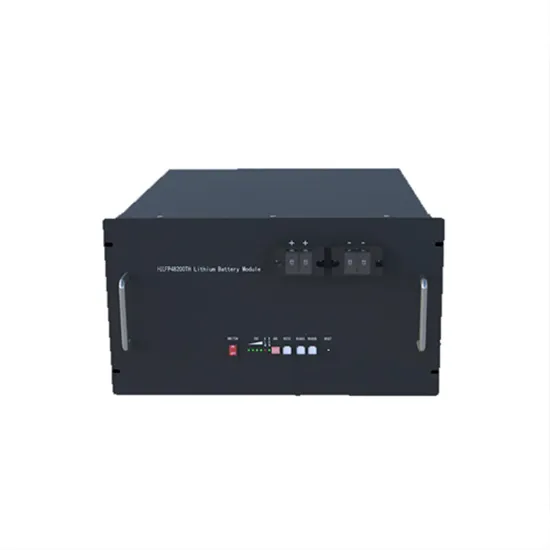
Photovoltaic energy storage battery analysis
This report describes development of an effort to assess Battery Energy Storage System (BESS) performance that the U. Department of Energy (DOE) Federal Energy Management Program (FEMP) and others can employ to evaluate performance of deployed BESS or solar photovoltaic (PV) +BESS systems. The. . We expect 63 gigawatts (GW) of new utility-scale electric-generating capacity to be added to the U. This amount represents an almost 30% increase from 2024 when 48. 6 GW of capacity was installed, the largest. .
[PDF Version]
-
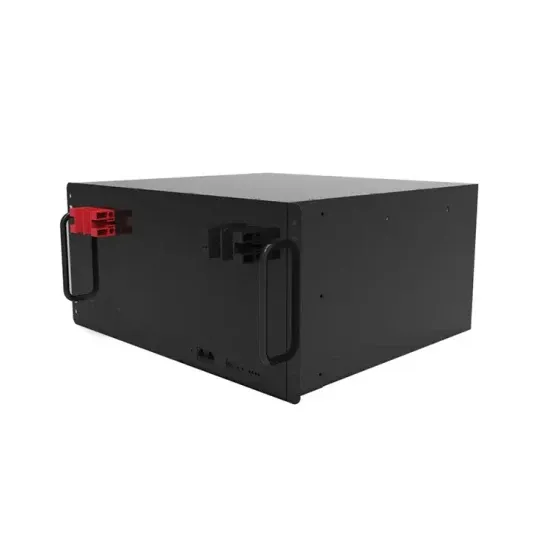
Battery Energy Storage System 1C Solution
For a 10 MWh BESS operating at 1C, it can deliver 10 MW of power for one hour or recharge entirely in one hour if supplied with 10 MW of power. This high rate is ideal for applications demanding rapid energy availability, such as emergency support and immediate grid stabilization. When paired with a high-quality lithium battery storage cabinet, this technology enables safe, flexible, and high-density energy storage tailored for commercial and. . ers lay out low-voltage power distribution and conversion for a b de ion – and energy and assets monitoring – for a utility-scale battery energy storage system entation to perform the necessary actions to adapt this reference design for the project requirements. ABB can provide support during all. . Qstor™ Battery Energy Storage Systems (BESS) from Siemens Energy are engineered to meet these challenges head-on, offering a versatile, scalable, and reliable solution to energize society. 2 billion by 2033 at a CAGR of 10. The report identifies key growth drivers, market size, and essential industry trends.
[PDF Version]
-
Fe-Ni battery energy storage
Remarkably, Fe-Ni batteries exhibit resilience to overcharging and are capable of operating at high SOC levels, even up to 100%. This capability empowers the battery has maximum stored energy available and provides a better cushion for emergencies or unexpected power. . The nickel-iron (Ni-Fe) battery is a century-old technology that fell out of favor compared to modern batteries such as lead–acid and lithium-ion batteries. However, in the last decade, there has been a resurgence of interest because of its robustness and longevity, making it well-suited for niche. . Introduction: Grid energy storage is a critical component of modern energy systems, facilitating the integration of renewable energy sources and ensuring a stable and reliable power supply. This study focuses on exploring the promising applications of iron-nickel (Fe-Ni) batteries in grid. .
[PDF Version]
-
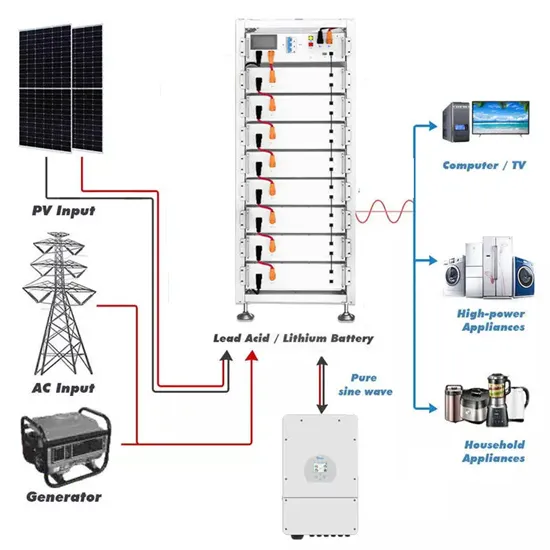
Battery distribution scheme for solar energy storage cabinet system
Summary: This article explores the critical role of energy storage battery distribution rooms in modern power systems. . ers lay out low-voltage power distribution and conversion for a b de ion – and energy and assets monitoring – for a utility-scale battery energy storage system entation to perform the necessary actions to adapt this reference design for the project requirements. ABB can provide support during all. . These modular storage systems, capable of seamless integration into both urban and rural settings, provide a reliable and stable power supply, addressing a myriad of energy challenges across diverse environments. The commerical and industrial (C & I) system integrates core parts such as the battery units, PCS, fire extinguishing system. . Abstract—Solar power generation which depends upon environmental condition and time needed to back up the energy to maintain demand and generation. Solar power can be integrated into the grid. .
[PDF Version]
-
12v lead-acid battery energy storage type
When charged, the battery's chemical energy is stored in the potential difference between metallic lead at the negative side and lead dioxide on the positive side. . Large-format lead–acid designs are widely used for storage in backup power supplies in telecommunications networks such as for cell sites, high-availability emergency power systems as used in hospitals, and stand-alone power systems. For these roles, modified versions of the standard cell may be. . The 12 volt lead acid battery has stood the test of time as one of the most trusted energy storage technologies. It powers millions of vehicles, safeguards critical systems through backup supplies, and plays a role in renewable energy storage. They require regular maintenance to ensure proper electrolyte levels, making them a dependable yet high-maintenance option. For instance, a 12V battery with a 500 Ah capacity can store about 6,000 watt-hours (Wh) or 6 kilowatt-hours (KWh) (calculated as 500 Ah x 12 V). It uses lead dioxide (PbO₂) as the positive active material, sponge lead (Pb) as the negative active material, and dilute sulfuric acid (H₂SO₄) as the. .
[PDF Version]
 MENU