
-
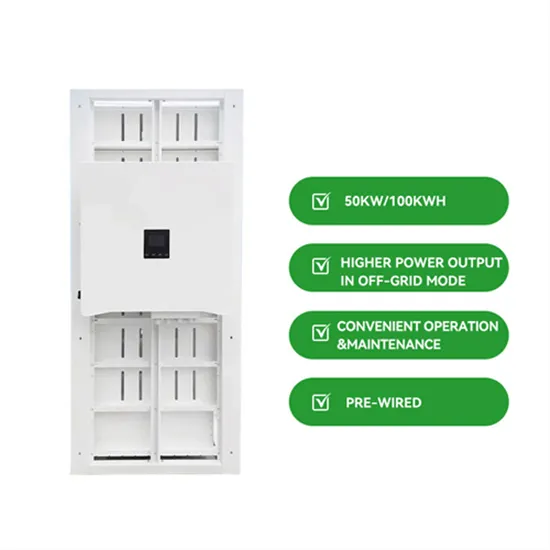
After-sales service for 10kW mobile energy storage containers used in environmental protection projects
Dorce delivers mobile energy storage solutions through modular, prefabricated systems engineered for durability, safety and rapid deployment. . Looking for a trusted manufacturer for 10kWh solar battery, battery backup, or lithium battery solutions? GSL ENERGY offers a full range of 10kWh LiFePO4 battery systems, including wall-mounted, rack-mounted, all-in-one, and stackable formats – all tailored for commercial, industrial, and solar. . MOBIPOWER containers are purpose-built for projects where energy demands go beyond what a trailer can deliver. How many containers do you need?* I agree to receive phone and email communications from Boxhub. Boxhub is committed to protecting and respecting your privacy. With integrated. . Adding Containerized Battery Energy Storage System (BESS) to solar, wind, EV charger, and other renewable energy applications can reduce energy costs, minimize carbon footprint, and increase energy efficiency.
[PDF Version]
-
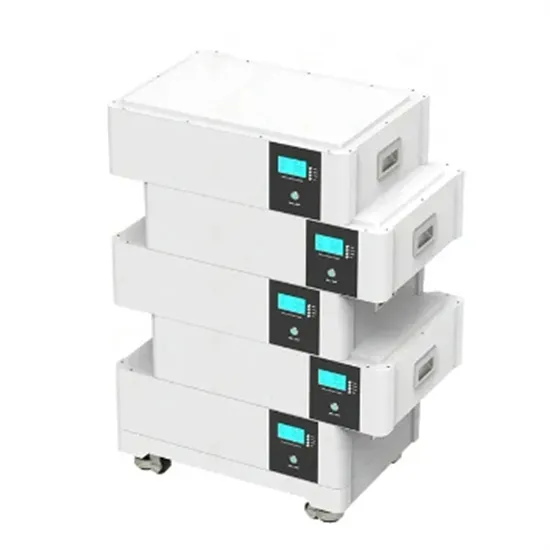
Scalable North American Photovoltaic Energy Storage Containers for Environmental Protection Projects
These self-contained units offer plug-and-play solar solutions for remote locations, emergency power needs, and grid supplementation. This comprehensive guide examines their design, technical specifications, deployment advantages, and emerging applications in the global energy . . What is a Containerized Energy Storage System? A Containerized Energy Storage System (ESS) is a modular, transportable energy solution that integrates lithium battery packs, BMS, PCS, EMS, HVAC, fire protection, and remote monitoring systems within a standard 10ft, 20ft, or 40ft ISO container. . Reaching Full Potential: LPO investments across energy storage technologies help ensure clean power is there when it's needed. As the region aims to meet ambitious clean energy targets—such as the U. Custom foldable solar system for 20ft container, delivering 126 kWh/day with 25. 83 kWp panels and expandable mounting. Project Introduction  In today's fast-paced society. .
[PDF Version]
-
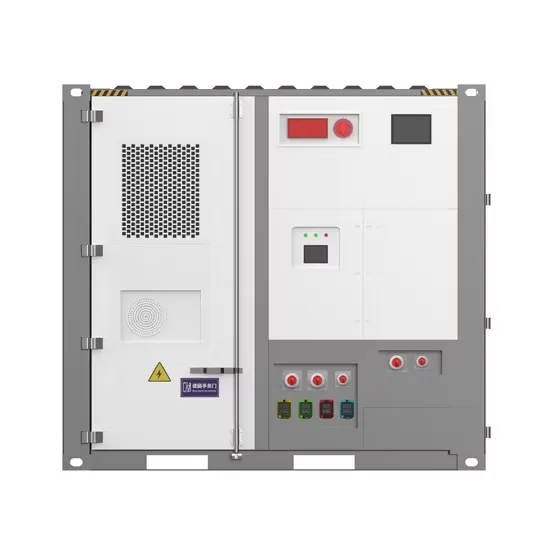
Important design restrictions for energy storage system containers
The electrical system should be equipped with a battery management system (BMS) and an energy management system (EMS) to realise real-time monitoring and protection against over-charging, over-discharging, short-circuiting, over-temperature and other conditions. The system should. . ts and explanatory text on energy storage systems (ESS) safety. This will change with the 2027 IFC, which will follow th. . Ventilation design should take into account air intake volume, humidity control, and temperature distribution to ensure the container remains within operational limits. Whether you're managing a solar farm, wind power plant, or industrial microgrid, understanding quality requirements ensures safety, efficiency, and long-term ROI. This IR clarifies Structural and Fire and. .
[PDF Version]
-
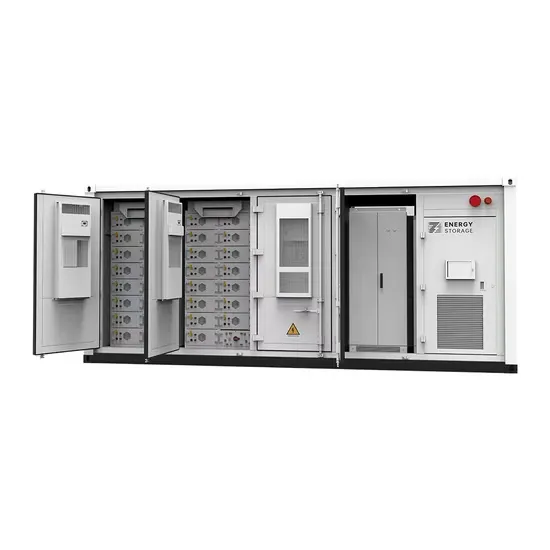
Comparison of Environmental Protection of Grid-Connected Energy Storage Containers by Distributors
This article presents a robust analysis based on the data obtained from a genuine microgrid in operation, simulated by utilizing a diesel generator (DG) in lieu of the Battery Energy Storage System (BESS) to meet the same load during periods of elevated energy costs. . by an agency of the U. Government nor any agency thereof, nor any of their employees, makes any warranty, expressed or implied, or assumes any legal liability or responsibility for the accuracy, completeness, or usefulness, of any information, apparatus, product, or. . About 60% of grid-scale batteries were nickel-manganese-cobalt (NMC) blends, also the technology of choice for electric vehicles, (EIA, 2020). This is followed by lithium iron phos-phate (LFP), lithium cobalt oxide (LCO) and other chemistries. Battery energy storage (BES) technologies such as flow. . This work was authored, in part, by the National Renewable Energy Laboratory (NREL), operated by Alliance for Sustainable Energy, LLC, for the U. Department of Energy (DOE) under Contract No. The study reveals that the BESS. . Due to tech-nological innovations and improved manufacturing capacity, lithium-ion chemistries have experienced a steep price decline of over 70% from 2010-2016, and prices are projected to decline further (Curry 2017). utility-scale battery storage capacity by chemistry (2008-2017).
[PDF Version]
-
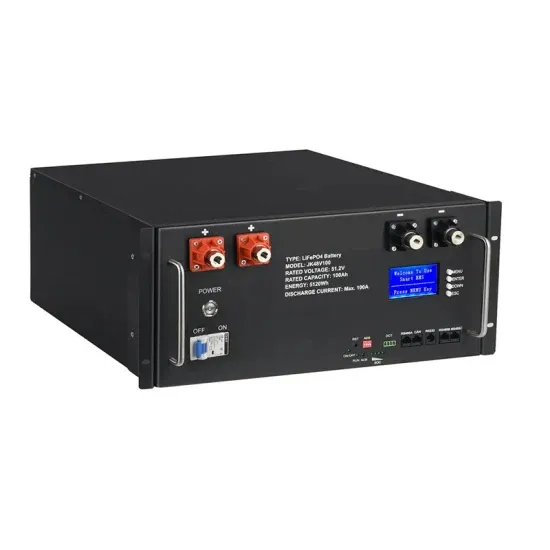
New Energy Storage Design and Installation Solution
As highlighted in the 'Energy Storage Futures 2025' review by the Renewable Power Lab [1], innovations in solid-state batteries, flow batteries, and hybrid supercapacitors are transforming the engineering and design landscape, with a focus on ultra-fast charging, extended. . As highlighted in the 'Energy Storage Futures 2025' review by the Renewable Power Lab [1], innovations in solid-state batteries, flow batteries, and hybrid supercapacitors are transforming the engineering and design landscape, with a focus on ultra-fast charging, extended. . Battery Storage Costs Have Reached Economic Viability Across All Market Segments: With lithium-ion battery pack prices falling to a record low of $115 per kWh in 2024—an 82% decline over the past decade—energy storage has crossed the threshold of economic competitiveness. Utility-scale systems now. . Energy Storage Systems (ESS) have become a critical component of modern energy supply for Commercial, Industrial and DG users. This system helps stabilize the grid, improve energy. .
[PDF Version]
-
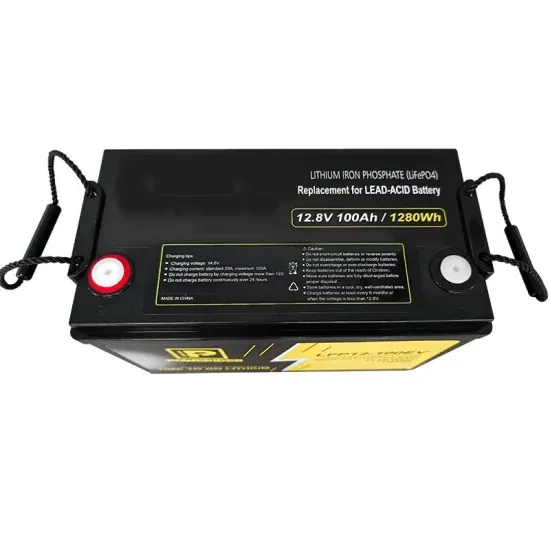
Large energy storage design
To support large regions increasingly dependent on intermittent renewable energy, Stanford scientists are creating advances in fuel cells, hydrogen storage, flow batteries, and traditional battery cells for grid-scale and long-duration energy storage. Megapack is a powerful, integrated battery system that provides clean, reliable, cost-effective energy storage to help stabilize the grid and prevent outages. Reducing our reliance on fossil fuels and strengthening our. . Large-scale energy storage systems are the backbone of our evolving power grid – sophisticated technologies that capture excess electricity when it's abundant and deliver it precisely when needed. As the world rapidly transitions towards cleaner energy sources, the need for efficient storage solutions has become increasingly critical. The. . As part of the U.
[PDF Version]
 MENU