
-
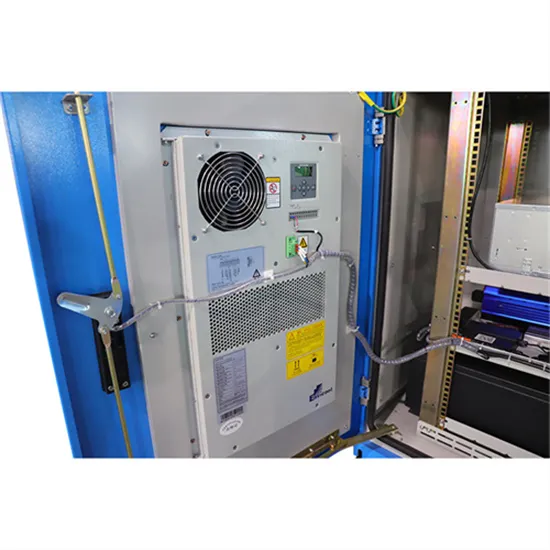
Solomon Islands explosion-proof container energy storage
These rugged containers are becoming the backbone of sustainable power systems in remote locations. Island communities face unique energy hurdles: "Our storage systems reduced fuel costs by 40% in the first year," reports a Solomon Islands resort manager using aluminum. . HONIARA, SOLOMON ISLANDS (12 September 2024)– The Asian Development Bank (ADB) and the Government of Solomon Islands are joining other partners to help Solomon Islands transition to renewable energy with a transformational project that will accelerate renewable energy generation and battery storage. . That's exactly what industrial aluminum energy storage boxes are achieving across the Solomon Islands. Outdoor cabinets protect lithium-ion batteries from: "Our cabinet's IP65 rating ensures reliable operation. . The Solomon Islands' unique geography – scattered across 990 islands with limited grid infrastructure – creates urgent demand for portable energy storage power supply customization. This isn't sci-fi - it's happening right now in the Solomon Islands' capital. This article explores the project's technical specs, environmental benefits, and its potential to transform renewable energy adoption across Pacific Island. .
[PDF Version]
-
Solomon Islands substation power generation
Solomon Power operates 12 diesel generators supplying electricity to the Honiara grid, the two oldest are expected to be decommissioned in 2024, one more in 2029, and all others in 2036 and 2039. Furthermore, SP has fostered discussions with SIG with revising the project commercial operation date (PCOD) to communities. MFAT & SP funded with total capa a and Visale. WB & SP. . Australia is expanding its support for climate-resilient infrastructure across the Pacific, with Foreign Minister Penny Wong recently announcing more than SBD$3 billion (AUD$550 million) in new grant financing focused on renewable energy and resilience. While those investments are still being. . Rate) Plan B With only reinforcement of one 11 kV transmission line from East Honiar bsta orcement of one 11 kV transmission line from East Honiara Substation and Lungga Po Stat. 78 gigawatt-hours (GWh), generating revenue of SI$480. This SINEP is an improvement to the 2007 and 2014 SINEP and is closely linked to the National Development strategy (NDS) of Solomon Islands 2016 – 2035 and its vision of a � nt for achieving the goals of the NDS. It is a key driver that is integral for. . and retail of power. This information is accessible to ADB Management and staff.
[PDF Version]
-
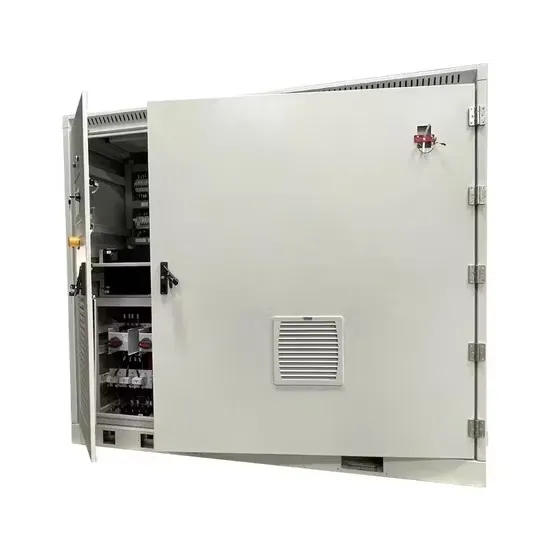
Solomon Islands Mobile Energy Storage Container 10kW Alternative Solution
This article will introduce in detail how to design an energy storage cabinet device, and focus on how to integrate key components such as PCS (power conversion system), EMS (energy management system), lithium battery, BMS (battery management system), STS (static transfer. . This article will introduce in detail how to design an energy storage cabinet device, and focus on how to integrate key components such as PCS (power conversion system), EMS (energy management system), lithium battery, BMS (battery management system), STS (static transfer. . Summary: Mobile energy storage systems are revolutionizing off-grid power solutions in the Solomon Islands. This guide explores pricing trends, use cases, and key factors to consider when purchasing these systems. Whether you're a homeowner, business operator, or community leader, discover how. . oDevelopment of utility-scale Battery Energy Storage for the Honiara grid o9 MW/24 MWh Battery Energy Storage System (BESS) for the Honiara grid to enable higher solar penetration (grid. On a larger scale, utility-sized projects that aim to support the transition to 100% renewable energy. . Summary: The Solomon Islands" newest energy storage initiative combines solar power with advanced battery systems to address energy challenges. The system reacts to the current paradigm of power outage in Latin.
[PDF Version]
-
Cook islands solar telecom integrated cabinet battery status
The Leylstad grid has reached maximum capacity for the feed-in of wind and solar power, and the battery will increase input by storing the excess power. They will also explore time-limited contracts, which will allow the batteries to only charge or discharge when there is. . Rarotonga Battery Energy Storage Systems "Power Station" and "Airport South" under Cook Islands Renewable Energy Sector Project (COO46453-002) - Phase 2 (Rarotonga) OFFICE OF THE PRIME MINISTER. LOT 1: "Power station" battery energy storage system (BESS) for grid stability support (i) A BESS to. . MPower, a subsidiary of Australian power sector investor Tag Pacific Ltd (ASX:TAG), has won a contract to design and install a 5. 6-MWh battery energy storage system in Rarotonga, the capital of the Cook Islands. Telecom Cook Islands have photovoltaic/battery installations throughout the Cook. . And in 2014- 15,installation of 95-100% renewable solar hybrid systems on the Northern Group Islands further altered the mix. 2V) systems are commonly used. . Optional: Lithium Battery with 15 kWh storage capacity. Best for: Medium sized household with 4+ people. Projects completed in the north include over 850kW of solar PV.
[PDF Version]
-
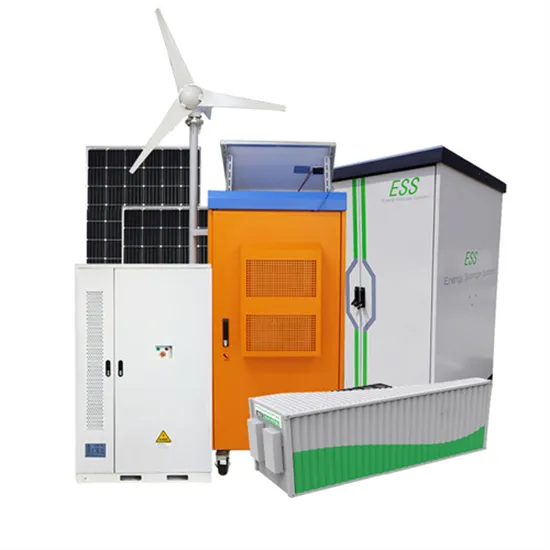
Marshall Islands Photovoltaic Container with Ultra-Large Capacity
Major projects now deploy clusters of 20+ containers creating storage farms with 100+MWh capacity at costs below $280/kWh. [pdf] Interested in solar solutions tailored for the Marshall. . But the Marshall Islands solar energy storage module initiatives are rewriting the rules of renewable energy. We provide operation and maintenance services (O&M) for solar photovoltaic plants.
[PDF Version]
-
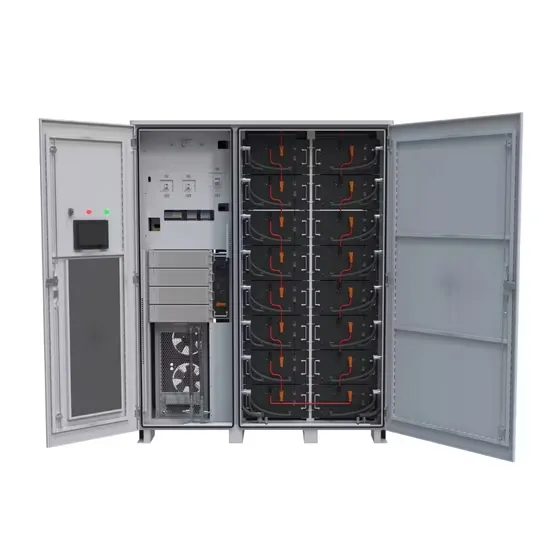
Advantages and disadvantages of bidirectional charging for photovoltaic energy storage containers in the Cook Islands
Auto OEMs are starting to offer bi-directional charging in EVs, allowing batteries to power homes during outages or wherever else it is needed, and to smooth out any hiccups in the grid. But this technology also can shorten the lifetime of batteries, and it can open the door. . Several factors are propelling the development and deployment of bidirectional charging, as P3 emphasises in its analysis. First and foremost is the increasing penetration of renewable energy sources. . Challenges and Considerations While the concept of reverse charging from EVs to homes presents numerous advantages, there are some challenges to consider.
[PDF Version]
 MENU