
-
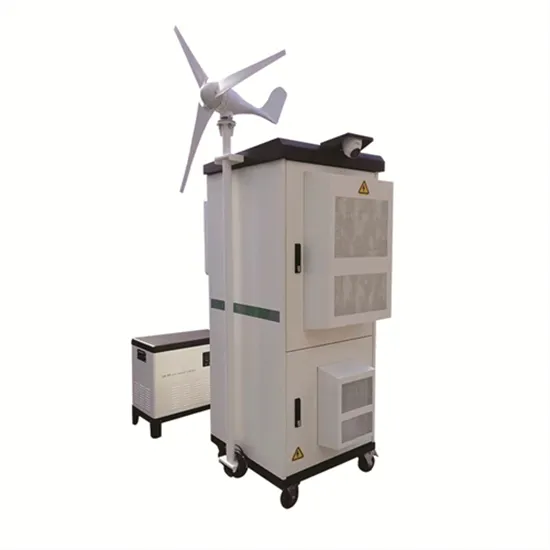
The solar container communication station battery solar container energy storage system ESS power is 6w
The system stores energy efficiently by integrating multiple subsystems, including LiFePO4 batteries, a battery management system, a gaseous fire suppression system, and an environmental control system. . The battery is a crucial component within the BESS; it stores the energy ready to be dispatched when needed. Relying on its cutting-edge clean power conversion technology, industry-leading battery technologyand grid forming technology, Sungrow focuses on integrated energy storage systemsolutions. Equation 1 serves as the base station load model:. What is a 5G power supply? The power supply equipment manages the distribution and conversion of electrical energy among. . ESS introduction & features 1 1. MPPT solar charger and/or grid-tie inverter 5 2.
[PDF Version]
-
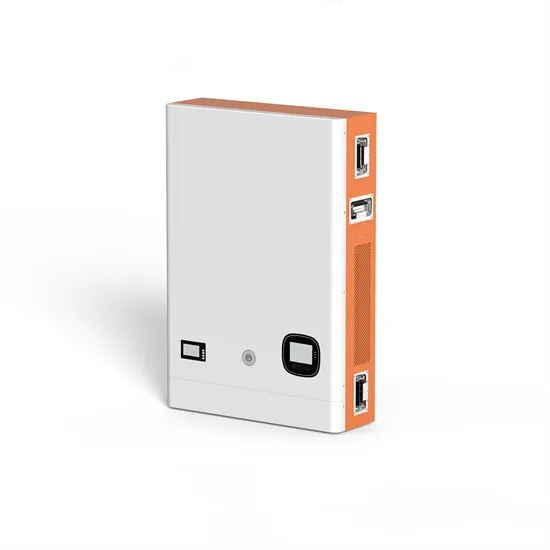
Solar power generation and energy storage at communication base stations
The communication base station installs solar panels outdoors, and adds MPPT solar controllers and other equipment in the computer room. The power generated by solar energy is used by the DC load of the base station computer room, and the insufficient power is. . This article provides a detailed examination of off-grid power solutions for these critical installations. You will gain a clear understanding of the technologies, design considerations, and practical applications that ensure uninterrupted connectivity in even the most isolated locations. The. . As global energy demands soar and businesses look for sustainable solutions, solar energy is making its way into unexpected places—like communication base stations. Learn about cost savings, reliability improvements, and real-world case studies driving adoption in telecom infrastructure. You know, the telecom industry's facing a perfect storm.
[PDF Version]
-
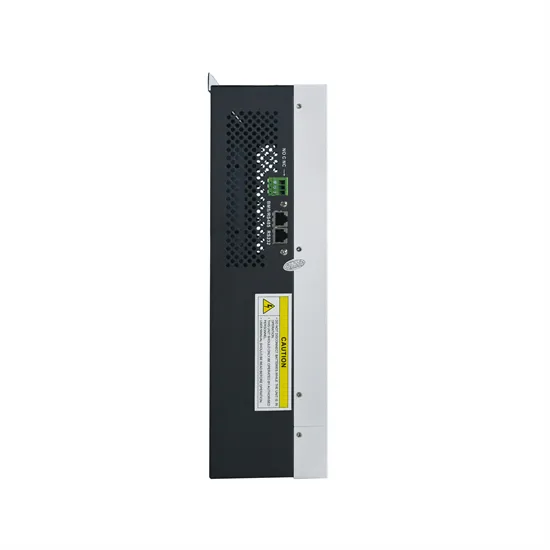
Installation of outdoor solar energy storage cells for communication base stations
Summary: This article explores how integrating photovoltaic (PV) systems with energy storage can revolutionize power supply for communication base stations. Learn about cost savings, reliability improvements, and real-world case studies driving adoption in telecom. . Remote base stations and telecom towers often face significant challenges when it comes to a consistent, reliable power supply. Many of these sites operate far from conventional grids, making traditional power methods costly and environmentally impactful. The power generated by solar energy is used by the DC load of the base station computer room, and the insufficient power is supplemented by energy storage. . As global energy demands soar and businesses look for sustainable solutions, solar energy is making its way into unexpected places—like communication base stations.
[PDF Version]
-
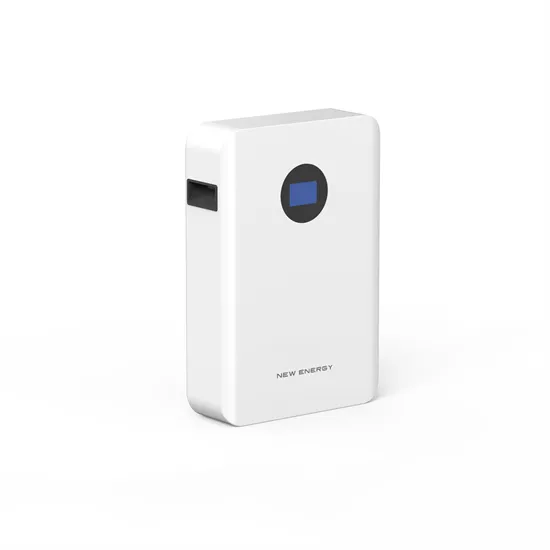
How to place cabinet and solar energy at communication sites
Combining solar power, energy storage, and communication power in telecom cabinets boosts reliability and cuts energy costs. Remote diagnosis, performance tracking, and fault alerts through intelligent BMS. Versatile capacity models from 10kWh to 40kWh to. . If you are managing an energy cabinet, whether a dedicated base station energy cabinet for telecom or an outdoor battery cabinet for stored solar or microgrid use, the question quickly arises: How do I get the most efficient, longest-lasting, reliable system for the money? After all, the energy. . Somewhere in the background, likely baking in the sun or enduring a blizzard, is an outdoor photovoltaic energy cabinet and a telecom battery cabinet, quietly powering our digital existence non-stop. You might be a telecom infrastructure manager, a green energy consultant, or perhaps someone tired. . That's where telecommunication energy solutions like photovoltaic systems are stepping in, not just to be economical, but to rescue the planet What Is an Indoor Photovoltaic Energy Cabinet? Let's define the buzzwords. An indoor photovoltaic energy cabinet is a solar-powered backup brain for telecom. . These installations are for applications ranging from remote wireless telecom towers to security outposts, from marine vessels to military installations, and from far-off weather stations to various out-of- the-way industrial outposts. Today's telecom infrastructure consists of Base Transceiver. .
[PDF Version]
-
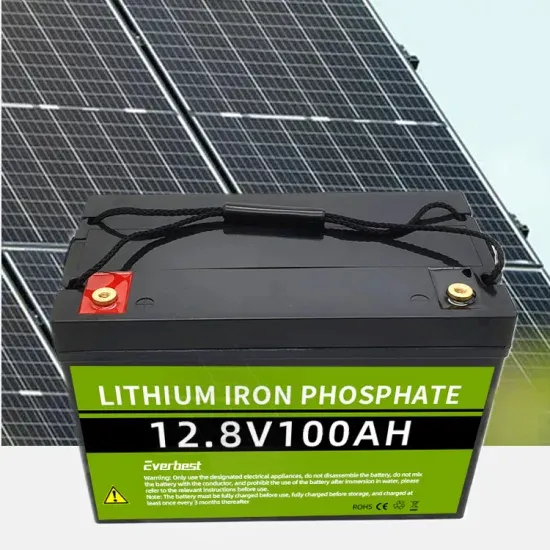
Solar container communication station solar wireless energy storage inverter equipment
The integrated containerized photovoltaic inverter station centralizes the key equipment required for grid-connected solar power systems — including AC/DC distribution, inverters, monitoring, and communication units — all housed within a. The telecommunications sector has always dealt with the challenges of ensuring network coverage to remote places and. . The HJ Mobile Solar Container comprises a wide range of portable containerized solar power systems with highly efficient folding solar modules, advanced lithium battery storage, and smart energy management. Rapid deployment, high efficiency, scalable energy storage, remote monitoring support. . Huijue Group's energy storage solutions (30 kWh to 30 MWh) cover cost management, backup power, and microgrids. SolaraBox solar containers enable customers to achieve greater energy independence and reduce carbon emissions. By delivering clean, accessible electricity, we support sustainable communities and contribute to a healthier. .
[PDF Version]
-
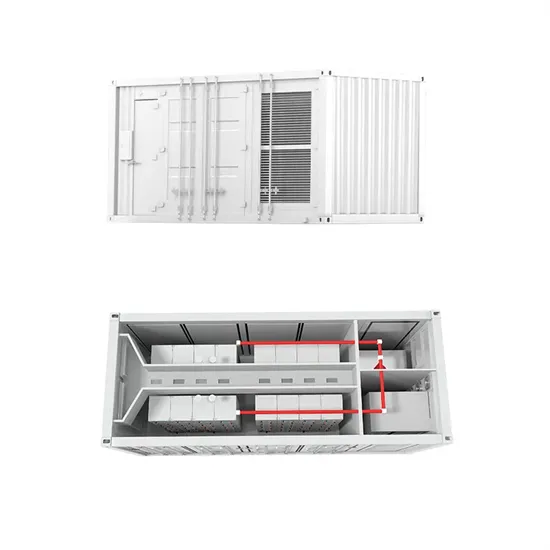
Papua New Guinea solar container communication station Flywheel Energy Storage Plant
The flywheel energy storage system (FESS) offers a fast dynamic response, high power and energy densities, high efficiency, good reliability, long lifetime and low maintenance requirements, and is. An efficient and reliable alternative to standard battery systems used. . Summary: Papua New Guinea (PNG) faces unique energy challenges due to its rugged terrain and dispersed population. Liebert FS may. . A battery energy storage system (BESS), battery storage power station, battery energy grid storage (BEGS) or battery grid storage is a type of technology that uses a group of in the grid to store. The project feasibility report was submitted in 2013. Units 3-4 are permitted for construction. Unit 1 was commissioned on June 24. . The PAWA PNG project, a joint venture with Dirio Gas & Power and the PNG government, will provide 283MW of less expensive and more reliable electricity supply with significantly lower emissions, as it primarily replaces aging, inefficient diesel-based generation with modern, high efficiency liquid. .
[PDF Version]
 MENU