
-
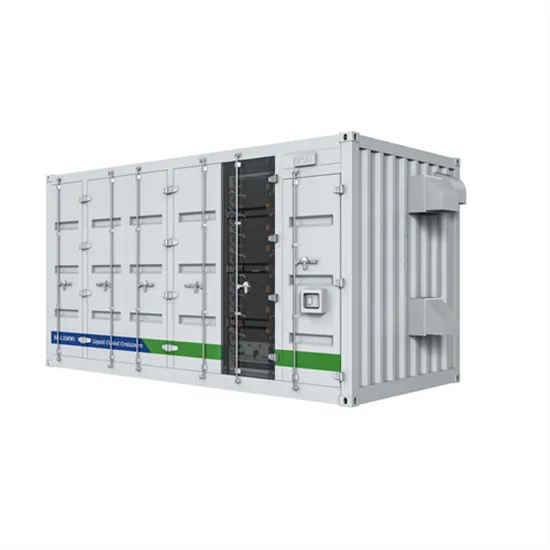
Technology Trends of Large Energy Storage Systems
With renewable energy on the rise, investments in storage technologies have surged, reaching $54 billion worldwide in 2024. This article explores the latest trends, from lithium-ion dominance to vanadium flow battery innovations, and how companies can stay ahead in this rapidly. . Executive Summary: What are the Top 10 Energy Storage Trends in 2026 & Beyond? The energy storage market is projected to grow to USD 5. 7% by 2034, nearly seven times its current value.
[PDF Version]
-
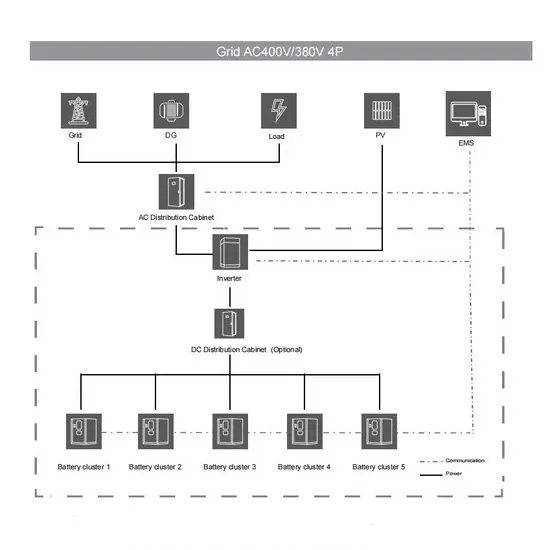
Photovoltaic energy storage market application
The application segment of the photovoltaic energy storage system market is divided into residential, commercial, industrial, and utility sectors. The residential sector is expected to witness significant growth due to the increasing adoption of rooftop solar panels and home energy. . The Photovoltaic Energy Storage System Market refers to the integration of solar energy generation and storage solutions, enabling more efficient utilization of renewable energy. As global efforts to combat climate change intensify, the demand for renewable energy sources has surged. 79 GW in 2022 and is expected to reach 512. 7 billion by 2032, reflecting a compound annual growth rate (CAGR) of 14. Why Photovoltaic Energy Storage Matters Now. .
[PDF Version]
-
Belize Energy Storage Electricity Price Trends Latest
The average Belize thermal energy storage price currently ranges between $80-$300 per kWh depending on the tech used, but here's the kicker: smart storage could slash hotel energy bills by 30% during peak tourist seasons. With a finalized bid price of $89. The Tech Buffet: What's Cooking in Belize's TES Market? Molten Salt Systems. . Washington, D. 4 million. . With rising electricity costs and frequent power outages, home energy storage systems have become a hot topic in Belize. The island microgrid is powered by a 355 kW photovoltaic (PV) array, which powers all appliances and systems on the island during the day. .
[PDF Version]
-
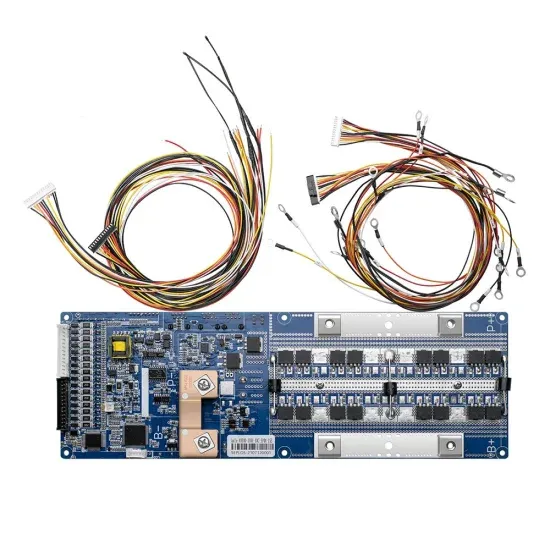
What are the safe solar container energy storage systems in Venezuela
This article explores how Venezuela's industries and renewable projects leverage container energy storage cabinets to combat power instability while unlocking new operational efficiencies. . Now picture seamless energy continuity through intelligent containerized storage systems. But here"s the twist - Qatar is now. . anel factory,but it doesn't have any staff. There's materials in the storage facilities to produce for three years and supply n for easy additional solar power capacity. Customize your container according to various configurations,power outputs,a d storage capacity according to your needs. "Our storage containers reduced downtime costs by $18,000/month at a. . Discover how Venezuela leverages cutting-edge energy storage systems to stabilize renewable energy grids and meet growing electricity demands.
[PDF Version]
-
Israeli companies install solar container energy storage systems
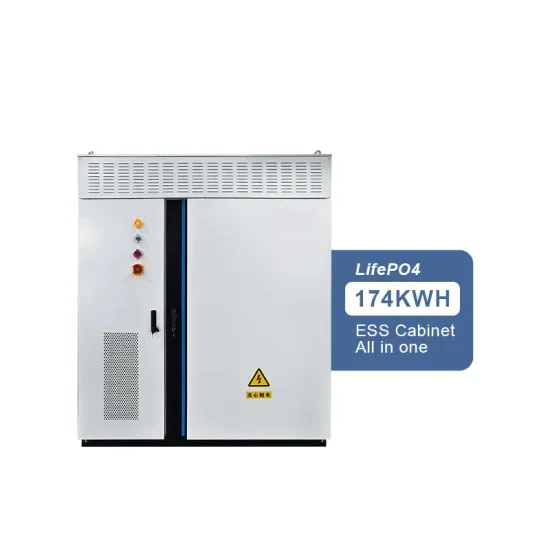
Israeli companies are installing energy storage systems at an unprecedented rate, transforming how the nation consumes and manages power. From solar farms in the Negev Desert to tech campuses in Tel Aviv, energy storage solutions are becoming the backbone of. . Israeli companies are stepping up to this challenge, leveraging the country's strengths in materials science, electrochemistry, and software engineering to create next-generation storage technologies. Israeli startups and research institutions are making remarkable advances across multiple storage. . Storage technologies integrate into the renewable energy production system, enabling renewable energy facilities to supply electricity around the clock, similar to conventional production facilities. . Enlight Renewable Energy has completed the Yesha and Re'im projects, adding 16 MW of solar power and 94 MWh of energy storage capacity in Israel. This bold objective entails the installation of 18 GW to 23 GW of solar projects, coupled with 5.
[PDF Version]
-
What are the subway battery energy storage systems
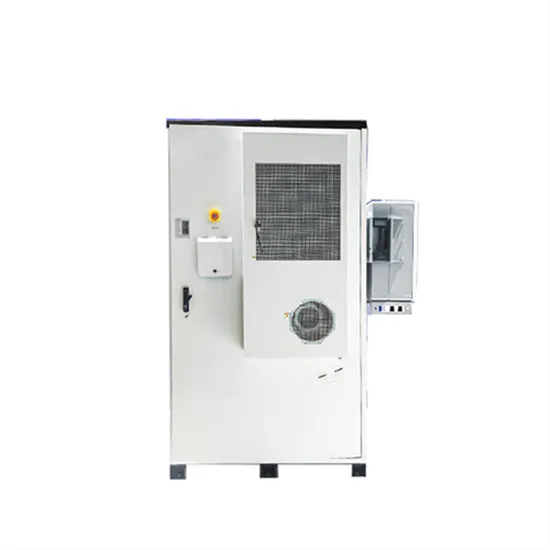
Numerous technologies are instrumental in subway energy storage systems, the most prominent being regenerative braking systems, lithium-ion battery storage, and supercapacitors. UNDERSTANDING THE ROLE OF. . This data was used to determine electrical power and energy consumption, regenerative braking power and energy, on board resistor power and energy dissipation, and total electrical energy available from braking (regenerative or non-regenerative). It is mainly made up of a battery pack, power conversion system, battery management system, and monitoring and control system. . Lithium-ion (Li-ion) batteries have long been the most common type of battery used in BESS, offering numerous advantages such as size and power density, making them affordable and versatile as a means of storage. However, these batteries aren't perfect; they can fail, so it's essential to. . A subway train brakes as it approaches Grand Central Station, converting kinetic energy into electricity that could power your neighborhood coffee grinder for 27 years.
[PDF Version]
 MENU