
-
How much does energy storage cost for industrial applications
Across different system sizes, durations, and configurations, most commercial and industrial energy storage projects end up in a typical installed range of about USD $280–$580 per kWh. This should be viewed as a practical reference band, not a rigid rule. . When people ask “How much does commercial energy storage cost?”, the honest answer is: it depends heavily on system size and configuration. The paragraphs below outline the major costs and provide a reasonable price range for C&I ESS. What are the main costs of a commercial and industrial. . DOE's Energy Storage Grand Challenge supports detailed cost and performance analysis for a variety of energy storage technologies to accelerate their development and deployment The U. Department of Energy's (DOE) Energy Storage Grand Challenge is a comprehensive program that seeks to accelerate. . But one of the most pressing questions is: "How much does commercial & industrial battery energy storage cost per kWh?" Understanding the cost involves considering several factors, from the type of battery technology to the scale of the system. . The price landscape for energy storage has evolved dramatically: "While upfront costs remain significant, lifetime savings of 40-60% compared to traditional energy solutions make storage systems increasingly attractive," notes a 2023 IRENA report. *Levelized Cost of Energy (2024 estimates) Grid. .
[PDF Version]
-
Industrial energy storage field trends
Falling battery costs, robust policy incentives, and corporate RE100 targets are expanding the addressable universe of sites that can monetize storage through demand-charge management, frequency regulation, and renewable matching. . Energy storage can add significant value to the industrial sector by increasing energy efficiency and decreasing greenhouse gas emissions (Mitali, Dhinakaran, and Mohamad 2022; Kabeyi and Olanrewaju 2022). Global industrial energy storage is projected to grow 2. As countries across the globe seek to meet. . As energy reliability becomes increasingly critical for businesses of all sizes, commercial and industrial (C&I) energy storage systems are emerging as indispensable assets across the U. With the convergence of rising electricity costs, growing pressure for decarbonization, and financial. . Demand is shifting from back-up applications toward grid-optimization, as sub-USD 90/kWh lithium-ion pricing and synthetic PPAs unlock profitable energy arbitrage even where utility tariffs remain at USD 0.
[PDF Version]
-
Guyana Industrial Energy Storage Subsidy
With increasing climate challenges and growing energy demands, Guyana is turning to emergency energy storage systems to ensure grid stability and disaster preparedness. This article explores cutting-edge solutions tailored for tropical environments and their role in supporting. . See how pivotal investments—from government initiatives to major foreign direct investment—are building a reliable, secure, and prosperous energy future for Guyana. About: The Government of Guyana has allocated G$88 billion to revolutionize the energy sector. The GEA supported the implementation of a massive electrification projectto supply,deliver,and distribute 30,000 solar home energy systems to hinterland and ri pected to grow 500% by 2030. 8 billion real GDP wou nt on imported fossil fuels. It's a $220 million blueprint for how emerging economies can leapfrog traditional grid limitations while cutting carbon emissions. This article explores the technical, economic, and environmental implications of this EPC initiative while highlighting its role in stabilizing. . SEAGEN®, the first marinized lithium-ion battery system designed, assembled and Battery storage power stations are usually composed of batteries, power conversion systems (inverters), control systems and monitoring equipment. There are a variety of battery types used, including lithium-ion. .
[PDF Version]
-
Prague industrial energy storage device
In the heart of Europe, Prague is emerging as a critical hub for energy storage innovation. Discover the technology driving this. . With the growing share of renewable energy and the rapidly decreasing costs of battery storage technologies, the Czech Republic is experiencing a new energy boom. Services that support grid stability – known as Frequency Containment Reserve (FCR) – are becoming a highly attractive business. . Elecnova presented a comprehensive portfolio of advanced products, including the C&I Ultra Industrial and Commercial All-in-One Energy Storage Cabinet, Solar Pro Hybrid Inverter All-in-One Energy Storage Cabinet, and the NovaStack Smart Energy Storage Container Solution. Let's explore how this Central European. .
[PDF Version]
-
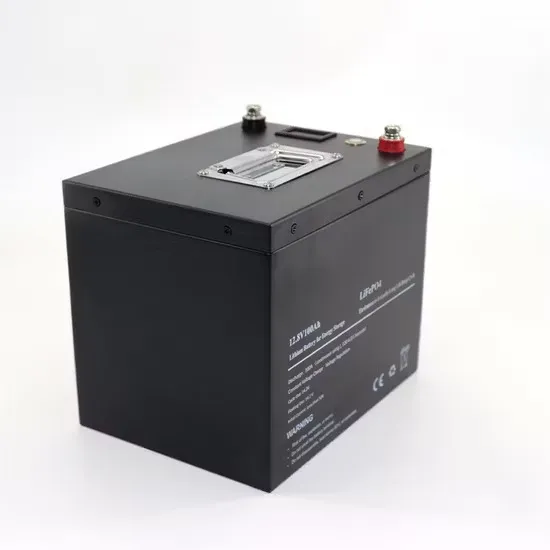
Industrial Energy Storage Cabinet Manufacturers List
This article will focus on the top 10 industrial and commercial energy storage manufacturers in China including BYD, JD Energy, Great Power, SERMATEC, NR Electric, HOENERGY, Robestec, AlphaESS, TMR ENERGY, Potis Edge. . What Are the Best Energy Storage Cabinet Factories Suppliers? High-Volume Leaders: Shenzhen GSL Energy ($3. 4M+ online revenue) and Guangzhou Renepoly ($1M+) suit bulk orders, though Renepoly lacks review visibility. In today's global energy transition and sustainable development wave, industrial. . Tesla Energy specializes in energy storage solutions that complement solar power systems. One of their key offerings is the Powerpack, a large-scale energy storage system tailored to meet the needs of utility-scale customers.
[PDF Version]
-
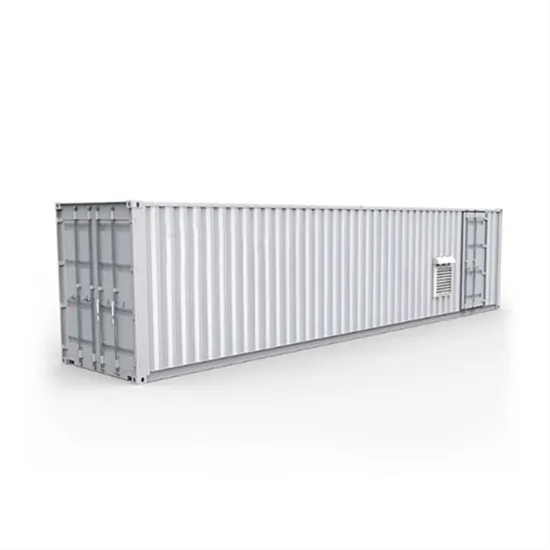
Burundi Industrial Energy Storage Policy
This article explores how solar-storage integration addresses energy poverty while creating commercial opportunities for international investors and technology providers. By aligning with the country's development goals, investors can contribute to The Project Financing Outlook for Global Energy While lenders may need to undertake additional diligence. . BUREA). It is part of a series of briefing notes that provide a high-level overview of the status of countries' off-grid solar markets, as well as relevant policies and pr ountry. We welcome any updates, revisions or clar-ifications at info@go Sec proach. Note that while the numbers shown represent. . Burundi's first grid-scale lithium-ion storage system (20MW/80MWh) came online in Q1 2025, stabilizing voltage for 400,000 households. The most promising developments include: 1. Modular Battery. . During the dry season the power supply deficit can increase from 13 to 23. Technical and commercial losses of 24. 4% have further reduced the availability of electricity. Burundi's. . Energy storage is essential to a clean and modern electricity grid and is positioned to enable the ambitious goals for renewable energy and power system resilience.
[PDF Version]
 MENU