
-
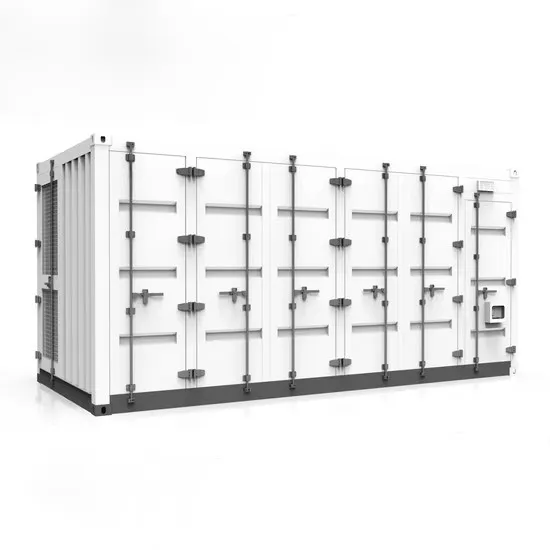
Modular delivery time for energy storage cabinets
– Most systems handle -40°C to 50°C “What's the payback period?” – Typically 3-5 years with current incentives “Can I expand later?” – Add cabinets like Lego blocks Still wondering if it's right for you? Consider this – major utilities now offer “storage-as-service” models. . Machan offers comprehensive solutions for the manufacture of energy storage enclosures. In addition, Machan emphasises. . The International Energy Agency (IAE) forecasts an exponential growth in investment in storage technologies. With its flexible. . Improve: Water-gas combined fire suppression technology Fully pre-assembled and delivered, enabling rapid deployment with installation and commissioning completed within 1-2 days. Backed by 24/7 after-sales support Standardized and scalable design for long-lasting, intelligent energy storage. . SOFAR Energy Storage Cabinet adopts a modular design and supports flexible expansion of AC and DC capacity; the maximum parallel power of 6 cabinets on the AC side covers 215kW-1290kW; the capacity of 3 battery cabinets can be added on the DC side, and the capacity expansion covers 2-8 hours. Discover market trends, technical advantages, and real-world applications.
[PDF Version]
-
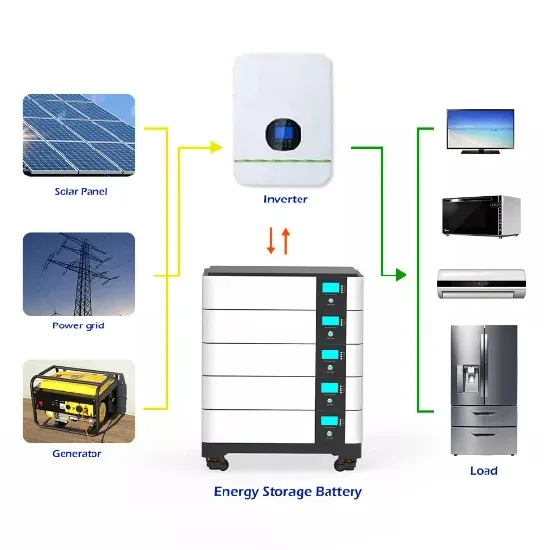
Cost of 100kW solar energy storage cabinets in european ports
For a typical 100 MW/400 MWh utility-scale installation in Europe, hardware and equipment costs currently range from €40 to €60 million. However, these costs are expected to decrease by 8-10% annually as manufacturing efficiency improves and supply chains mature. . Our 100kW solar package provides steady and reliable power for every part of your business, with tier 1 solar panels in a massive configuration and a serious 100kW solar inverter. What is NREL's solar-plus-storage cost benchmarking work? This work has grown to include cost models for. . Prices typically range between €150,000 to €500,000+, de What Drives the Price of Container Energy Storage Systems in the EU? Container energy storage cabinets have become a game-changer for industries needing scalable power solutions. What Influences the Cost of Container. . Our 100kW/200kWh Commercial & Industrial Energy Storage Cabinet is now available from European stock, enabling fast delivery and rapid deployment for factories, commercial buildings, data centers, EV charging stations, and microgrid applications.
[PDF Version]
-
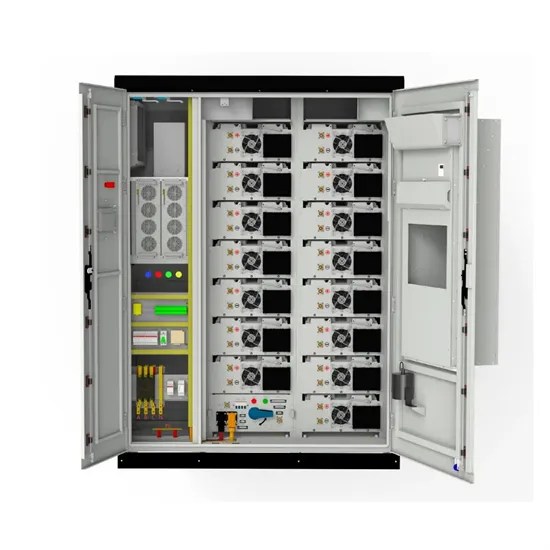
The role and significance of photovoltaic energy storage cabinets
Photovoltaic energy storage cabinets are advanced solutions integrating solar energy systems for efficient power management. provide backup electricity during outages, 3. enhance energy autonomy, and 4. BMSThermal ManagementIP RatingPV & Wind IntegrationLiquid CoolingModular ESS. . In the quest for sustainable energy solutions, battery cabinet systems have emerged as a pivotal component in the modern energy storage landscape. These systems are designed to store electrical energy efficiently, providing a reliable backup during peak demand or grid outages, and supporting the. .
[PDF Version]
-
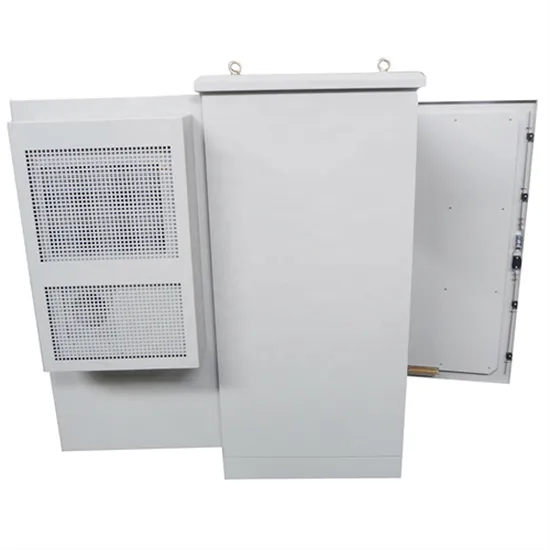
Bidding Price for Grid-Connected Photovoltaic Energy Storage Cabinets
Energy storage cabinet equipment costs typically range from $5,000 to $50,000 depending on the capacity, technology, and supplier, 2. key factors impacting investments include installation expenses, maintenance requirements, 3. as well as local regulations and incentives that could. . Let's face it – the energy storage cabinet market is buzzing like a beehive in spring. With projects like State Grid Gansu's 291kWh solid-state battery cabinet procurement (¥645,000 budget) [1] and Southern Power Grid's 25MWh liquid-cooled cabinet framework tender [10], bidding opportunities are. . Latest Energy Storage RFPs, bids and solicitations. The overall expenditure can be affected significantly by 1. Discover how to optimize proposals using real-world case studies. . The global Photovoltaic Grid Cabinet market is projected to grow from US$ million in 2024 to US$ million by 2031, at a CAGR of %(2025-2031), driven by critical product segments and diverse end‑use applications, while evolving U.
[PDF Version]
-
Off-grid pricing for Southeast Asian energy storage battery cabinets
The price range for an outdoor energy storage cabinet typically lies between $3,000 and $15,000, depending on various factors, such as **1. . For commercial sites, adding energy storage systems (ESS) to solar PV isn't just a “green” upgrade—it's a practical way to stabilize operations, shave peak demand, back up critical loads, and reduce diesel consumption. These cabinets serve as centralized units where multiple batteries are installed, providing a safe and organized. . nstraints, is facing unique challenges in the energy transition. The combination of the shift to renewable energy and the lack of grid stability in several Southeast Asian nations indicates the need for storage technologies, a need which is starting to be recognised at governmental level. This. . This guide will help you choose the right energy storage cabinet based on The Outdoor Energy Storage Cabinet Market is expected to witness robust growth from USD 1. 8 billion by 2033, with a CAGR of 10. Ideal for areas without grid access.
[PDF Version]
-
Price of Automated Photovoltaic Energy Storage Cabinets for Schools
Let's cut through the noise - photovoltaic storage cabinets are rewriting energy economics faster than a Tesla hits 0-60. As of February 2025, prices now dance between ¥9,000 for residential setups and ¥266,000+ for industrial beasts. But here's the kicker: The real story lies in the 43% price drop. . The BSLBATT PowerNest LV35 hybrid solar energy system is a versatile solution tailored for diverse energy storage applications. Equipped with a robust 15kW hybrid inverter and 35kWh rack-mounted lithium-ion batteries, the system is seamlessly housed in an IP55-rated cabinet for enhanced protection. . HBOWA PV energy storage systems offer multiple power and capacity options, with standard models available in 20KW 50KWh, 30KW 60KWh, and 50KW 107KWh configurations. You can add many battery modules according to your actual needs for customization. Its core function is to convert renewable energy such as solar energy and wind energy into stable electricity, and realize energy storage, distribution and monitoring through intelligent energy. . Whether you're planning a solar integration project or upgrading EV infrastructure, understanding these numbers could save you thousands. Constructed with long-lasting materials and sophisticated technologies inside. .
[PDF Version]
 MENU