
-
Lithium iron phosphate energy density
Volumetric energy density = 220 Wh / L (790 kJ/L) Gravimetric energy density > 90 Wh/kg [18] (> 320 J/g). . Lithium iron phosphate modules, each 700 Ah, 3. Two modules are wired in parallel to create a single 3. 25 V 1400 Ah battery pack with a capacity of 4. . Key takeaway: LiFePO4 delivers a much longer lifespan and superior safety, while LiPo offers ~40% higher energy density for compact designs. During charge and discharge. . In the battery world, energy density refers to the amount of electrical energy stored in a battery per unit volume. Current LFP electrodes achieve energy densities between 140-160 Wh/kg with surface densities around 23 mg/cm², but struggle with electronic conductivity limitations that affect. . Lithium Iron Phosphate abbreviated as LFP is a lithium ion cathode material with graphite used as the anode. Lithium ion batteries typically use lithium cobalt oxide or its variations with nickel, manganese, and cobalt. It has higher electron movement but at the cost of. .
[PDF Version]
-
Vanuatu Lithium Iron Phosphate Battery Energy Storage Container Supplier
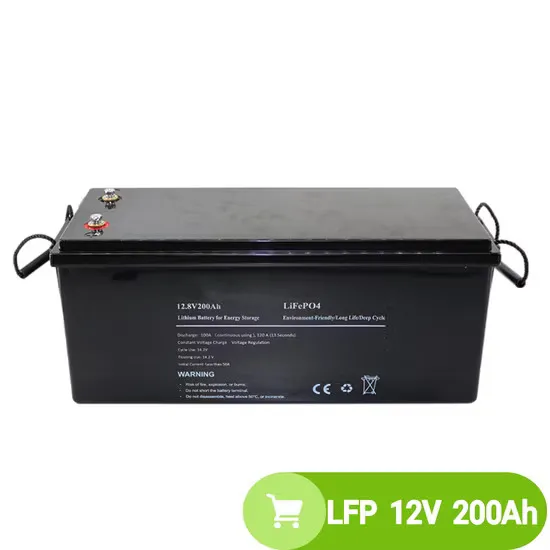
Leveraging lithium iron phosphate batteries utilized in hundreds of thousands of electric vehicles, Energport's solution provides unparalleled degrees of safety and reliability. An integrated inverter provides for plug and play. . The Energport line of outdoor commercial & industrial and utility scale energy storage systems provides a fully integrated, turnkey energy storage solution. Talk about a glow-up! Globally, the energy storage market is booming – we're talking $33 billion industry generating 100. . Costs range from €450–€650 per kWh for lithium-ion systems. It includes an. . When discussing energy storage lithium battery shell manufacturers in Vanuatu, we're addressing a niche yet critical sector. Did you know? Over. . How does 6W market outlook report help businesses in making decisions? 6W monitors the market across 60+ countries Globally, publishing an annual market outlook report that analyses trends, key drivers, Size, Volume, Revenue, opportunities, and market segments. This report offers comprehensive. . Lithium Iron Phosphate batteries offer several advantages over traditional lead-acid batteries that were commonly used in solar storage.
[PDF Version]
-
Caracas lithium iron phosphate battery energy storage container price
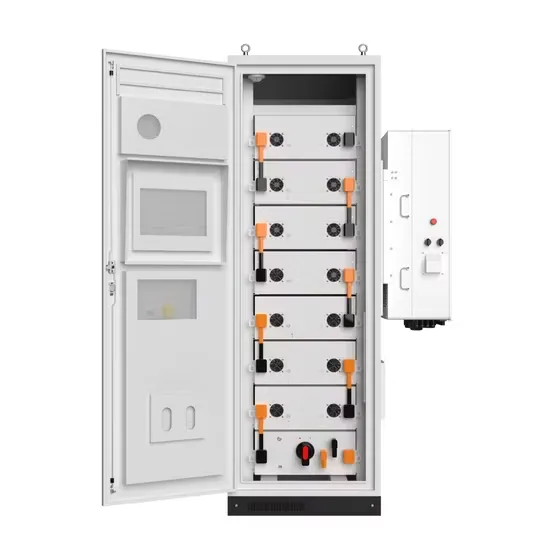
Recent pricing trends show standard industrial systems (1-2MWh) starting at $330,000 and large-scale systems (3-6MWh) from $600,000, with volume discounts available for enterprise orders. . Asia-Pacific represents the fastest-growing region at 45% CAGR, with China's manufacturing scale reducing container prices by 18% annually. . Costs range from €450–€650 per kWh for lithium-ion systems. [pdf] Harnessing abundant solar resources, an eco-resort located off the coast of Panama has chosen advanced lead batteries, paired with a battery. . Assembly is match mounted and balanced providing longevity and a smooth ride. phosphate pre-treatment and covers an e-coat primer layer Excellent corrosion resistance with a salt spray rating of more than 1,000 hours Beveled stud holes help to keep wheel securely in place on trailer Radial tire has. . Interviews with ESS developers by CEA at the event revealed pricing for DC containers had dropped again, with average pricing at US$150/k Oct 21, 2024 · A 1 MWh energy storage container typically costs between $100,000 to $500,000 or more, depending on various factors as mentioned below.
[PDF Version]
-
What is the energy storage density of lithium batteries
Weight-based energy density: 150 to 350 watt-hours per kilogram (Wh/kg). . What exactly is the energy density of lithium ion battery, why is it so important, and what factors influence it? What Is the Energy Density of a Lithium-Ion Battery? As a key indicator for measuring the performance of lithium‑ion batteries, the energy density of lithium‑ion battery refers to the. . Energy density measures how much energy a battery stores relative to its weight or volume, and it directly impacts battery performance, influencing how long devices can operate. There are two equally important definitions: This measures energy per unit weight. Critical for portable, wearable, medical, and aerospace devices, where every gram counts. This measures energy per unit. . Lithium-ion batteries are crucial for phones and cars because they store a lot of energy.
[PDF Version]
-
The relationship between lithium batteries and hydrogen energy storage
Lithium-ion batteries offer 85–95% efficiency but are limited to 4–8 hours of storage, while hydrogen systems provide multi-day or seasonal storage with lower efficiency (~35–50%). Hydrogen stands out as the energy-dense, long-duration counterpart to batteries. . In this review, we provide an in-depth study of the most economically viable types of batteries and hydrogen fuel cells that are currently available. They share one goal – balancing the intermittency of renewables – but differ in approach, scalability, and long-term potential. According to the IEA's Renewables 2024 report, renewable. . Hybrid LIB-H2 storage achieves lower cost of wind-supplied microgrid than single storage. LIB provides frequent intra-day load balancing, H2 is deployed to overcome seasonal supply–demand bottlenecks. The li-ion batteries and hydrogen fuel cell industries are expected to reach around 117 and 260 billion USD. . Researchers in Australia have compared the technical and financial performances of a hydrogen battery storage system and a lithium-ion battery when coupled with rooftop PV. They evaluated two commercially available systems – LAVO and Tesla Powerwall 2 – and found that the lithium-ion battery. . Hydrogen has a higher energy density compared to batteries, meaning it can store more energy per unit of weight. Hydrogen can be used in fuel. .
[PDF Version]
-
How do nickel batteries and lithium batteries store energy
Batteries use chemistry, in the form of chemical potential, to store energy, just like many other everyday energy sources. . Nickel batteries and lithium batteries store energy through electrochemical processes involving specific materials and reaction mechanisms. The trick is to design a system where these materials can undergo reactions that release this energy in a controlled. . Nickel serves as a critical component in modern battery technology, particularly in lithium-ion batteries that power electric vehicles and consumer electronics. This essential metal enhances energy density, extends battery life, and improves overall performance. Environmental considerations are increasingly shaping the development and adoption of both battery types. . Batteries and similar devices accept, store, and release electricity on demand. During discharge, lithium ions move from the anode to the cathode. .
[PDF Version]
 MENU