
-
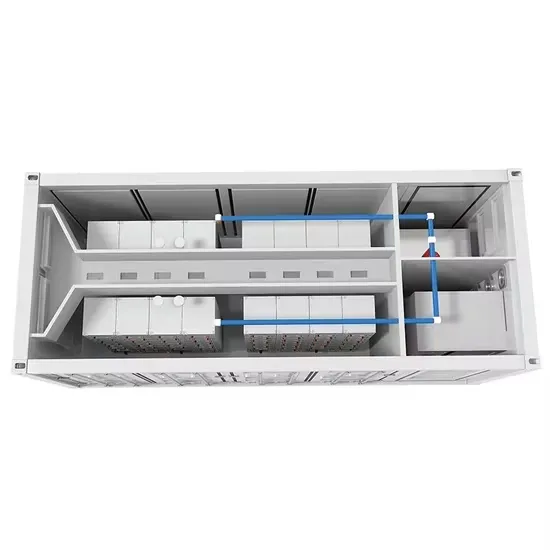
The latest installation specifications for energy storage boxes in battery swap stations
Summary: Discover the essential technical standards and innovative solutions shaping energy storage systems in modern battery swap stations. This guide explores safety protocols, efficiency benchmarks, and emerging trends for EV infrastructure developers. Battery swapping is a. . Assists users involved in the design and management of new stationary lead-acid, valve-regulated lead-acid, nickel-cadmium, and lithium-ion battery installations. The focus is the environmental design and management of the installation, and to improve workplace safety and improve battery. . This help sheet provides information on how battery energy storage systems can support electric vehicle (EV) fast charging infrastructure. Whether you're procuring for utilities, renewable projects, or commercial facilities, understanding these benchmarks ensures safety and performance. .
[PDF Version]
-
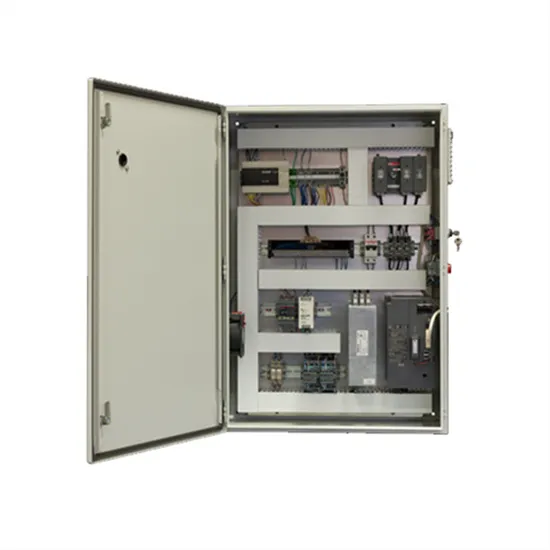
The largest number of battery energy storage systems for communication base stations
The market features numerous leading companies that specialize in energy storage solutions designed specifically for communication base stations. Some notable firms include Tesla, LG Chem, and Saft. . by an agency of the U. Government nor any agency thereof, nor any of their employees, makes any warranty, expressed or implied, or assumes any legal liability or responsibility for the accuracy, completeness, or usefulness, of any information, apparatus, product, or. . As telecommunication systems evolve towards greener technologies, companies focusing on energy storage for communication base stations are becoming essential players in facilitating this transition. Remote base stations often rely on independent power systems. Users can use the energy storage system to discharge during load peak periods and charge from the grid during low load periods, reducing peak load demand and saving electricity. . A base station (or BTS, Base Transceiver Station) typically includes: Base station energy storage refers to batteries and supporting hardware that power the BTS when grid power is unavailable or to smooth out intermittent renewable sources like solar.
[PDF Version]
-
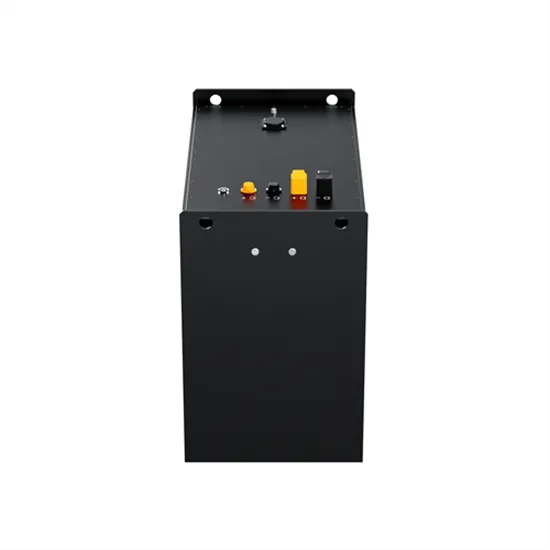
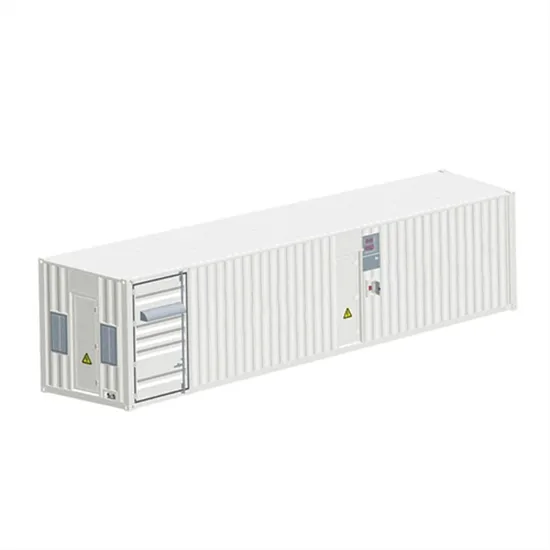
Battery solar container energy storage system layout for solar container communication stations in Algeria
In this study, we pioneer to examine the economic and environmental feasibility of secondary use of EV LIBs in the communication base stations (CBS) for load shifting. . ers lay out low-voltage power distribution and conversion for a b de ion – and energy and assets monitoring – for a utility-scale battery energy storage system entation to perform the necessary actions to adapt this reference design for the project requirements. BESS containers are a cost-effective and modular way to store energy,and can be easily transported and deployed in various. . Containerized battery energy storage system integrates lithium-ion batteries, battery management system, AC/DC conversion device, thermal management system, and fire protection system in a standard container, which has the advantages of high integration, small occupation area, large storage. . What is a container battery energy storage system? Understanding its Role in Modern Energy Solutions A Container Battery Energy Storage System (BESS) refers to a modular, scalable energy storage solution that houses batteries, power electronics, and control systems within a standardized shipping. . del. There are 24 batteries in two rows fixed inside the battery pack,as shown in. <div class="df_qntext">Are solar cellular base stations transforming the telecommunication industry? Improved Quality of Service and cost reduction are important issues. .
[PDF Version]
-
Port-au-prince electric vehicle policy
The table highlights key policies and measures that support the deployment of electric vehicles (EVs) and zero-emission vehicles (ZEVs) for light-duty and heavy-duty vehicles. . rms of electric vehicles become noticeable in the transport systems of many countries. For some countries, electric passenger cars are normal and the uptake of new e-mobility forms such as electrically-assisted push-scooters and bicycles is occurring at an accelerating rate. EVs are powered by electricity that is stored in a battery, meaning they don't produce emissions like a car with a gasoline or diesel-powered engine. Today's EVs can travel 200+ km. . le Market has shown consistent growth. In 2022, the Passenger segment was valued at 161. . It is also free to register an EV in Prince Edward Island, a cost savings of $100 annually, and the province offers half-price registration for hybrid vehicles.
[PDF Version]
-
Tskhinvali electric vehicle safety
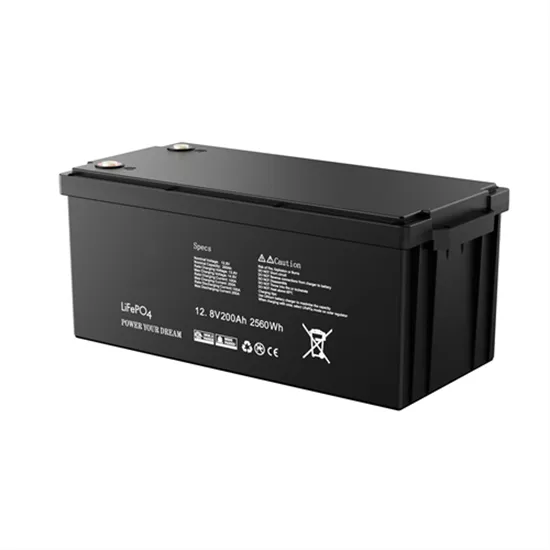
This free safety tip sheet from NFPA outlines the things consumers should know about owning an electric vehicle. Explore all NFPA social media cards related to lithium-ion. . However, there is little review work concerning the safety of the high-voltage powertrain-based EVs in the crash conditions now. Vehicle collision types usually include frontal impacts, side impacts, rolling and rear impacts. Discover key trends, regional opportunities, and. . ranging from life jackets to batteries to autonomous cars. Governments have introduced incentives such as purchase subsidies and investments in charging. . We address all passive and active safety aspects to ensure electric vehicles and components are of the highest quality and comply with global safety standards. What is electric vehicle safety? Widespread EV use and the deployment of electric drive trains has fundamentally changed development and. .
[PDF Version]
-
Cost of Grid-Connected Energy Storage Battery Cabinets for Base Stations in Africa
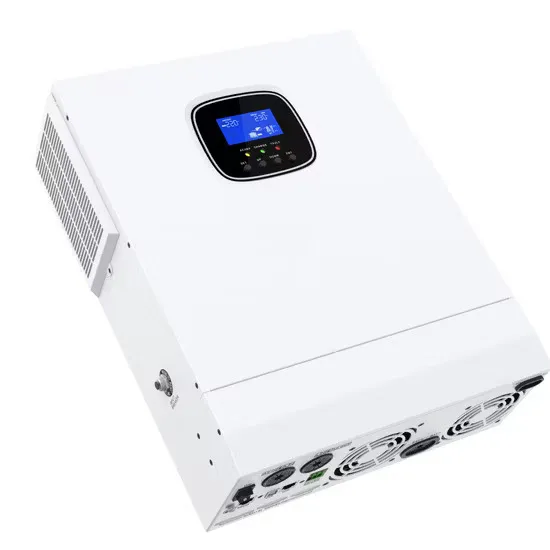
Below, a representative breakdown uses columns for Materials, Labor, Equipment, Permits, Delivery/Disposal, and Contingency. The table mixes total project costs with per-unit pricing to show scale. Project scale, energy duration, and interconnection complexity are the primary price. . Buyers typically see capital costs in the hundreds to low thousands of dollars per kilowatt-hour, driven by project size, technology, and siting. The primary cost drivers are battery modules, balance of system, grid interconnection, permitting, and long-lead equipment. This article presents clear. . What Drives Energy Storage Cabinet Prices? Prices for new energy storage charging cabinets typically range from $8,000 to $45,000+ depending on three key factors: "The average price per kWh dropped 17% since 2022, making 2024 the best year for storage investments. Department of Energy's (DOE) Energy Storage Grand Challenge is a comprehensive program that seeks to accelerate. . The 2024 ATB represents cost and performance for battery storage with durations of 2, 4, 6, 8, and 10 hours. Industrial and Commercial Energy Storage Cabinet Market size was valued at USD 4.
[PDF Version]
 MENU