
-
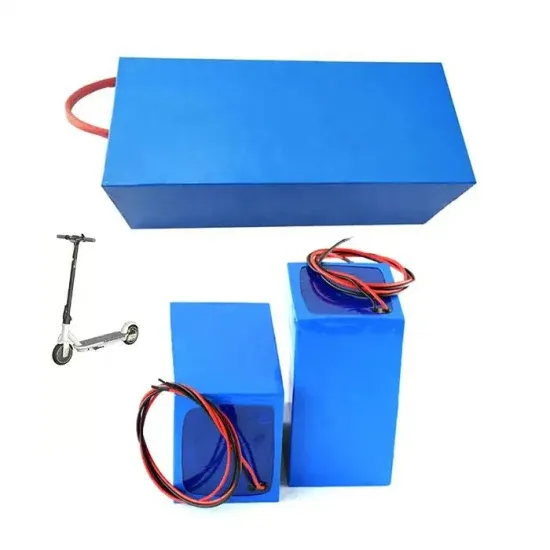
Which is better lithium iron phosphate or cylindrical solar container lithium battery
LiFePO4 (Lithium Iron Phosphate) batteries offer better safety, longer cycle life, and thermal stability compared to standard lithium-ion batteries. However, lithium-ion batteries have a higher energy density, making them lighter and more compact. Within the realm of LiFePO4 technology, there are different cell designs, each offering unique features. . What are the differences between common cylindrical lithium batteries and lithium iron phosphate batteries? Cylindrical lithium-ion batteries and lithium iron phosphate (LiFePO₄) batteries differ primarily in their chemistry, energy density, safety, lifespan, and application suitability. Among the different formats of LiFePO4 cells, LiFePO4 prismatic cells, and cylindrical cells are two of the most widely utilized. From powering smartphones to backing up entire homes with. .
[PDF Version]
-
Lithium iron phosphate battery pack and lithium battery pack
Understanding the key distinctions between lithium iron phosphate batteries and traditional lithium-ion batteries is essential. Your choice depends on which features are most important for your application. Note the large, solid tinned copper busbar connecting the modules. This busbar is rated for 700 amps DC to accommodate the high currents generated in. . ECO-WORTHY 12V 280Ah 2 Pack LiFePO4 Lithium Battery with Bluetooth, Low Temp Protection, Built-in 200A BMS, 3584Wh Energy. Housed in a rugged ABS case that is waterproof rated to IP64 the prismatic LiFePO 4 cells provide an identical voltage output to SLA while weighing in at 1/3 of the. . Lithium iron phosphate (LiFePO4) battery packs are a type of rechargeable battery known for their safety, longevity, and environmental friendliness.
[PDF Version]
-
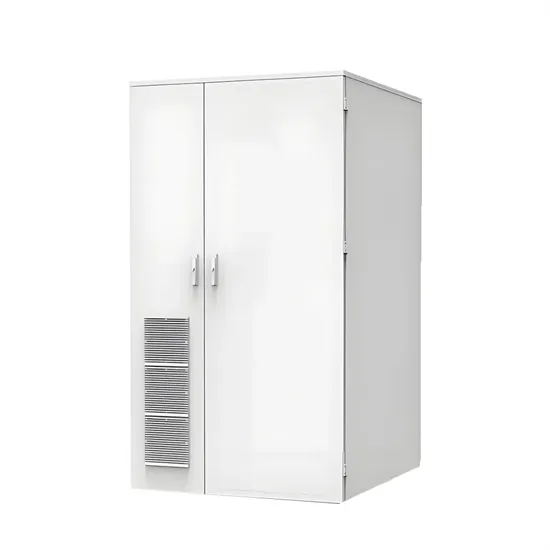
Manganese phosphate lithium iron phosphate battery pack
A lithium manganese iron phosphate (LMFP) battery is a (LFP) that includes as a component. As of 2023, multiple companies are readying LMFP batteries for commercial use. Vendors claim that LMFP batteries can be competitive in cost with LFP, while achieving superior performance.
[PDF Version]
-
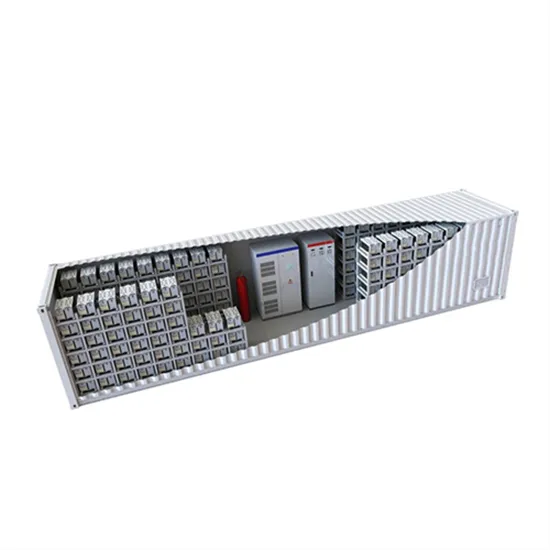
Kosovo lithium iron phosphate solar container battery cabinet recommendation
A well-designed battery enclosure should maintain optimal temperatures even when it's 35°C outside and the units are operating at 95% capacity. Huijue's latest modular designs actually incorporate passive cooling channels that reduce energy consumption by 40% compared to. . Why should you choose energy storage solutions?Whether you're seeking off-grid independence or grid-connected benefits, we provide reliable Energy Storage Solutions that ensure performance, safety, and long-term sustainability. Our solutions deliver outstanding performance, supported by a 10-Year. . The new battery energy storage system (BESS) combines lithium-ion technology with advanced energy management software. Think of it as a giant "power bank" for the grid – storing excess solar and wind energy during peak generation periods, then releasing it when demand spikes. The capability to supply this energy is. Unlike those clunky lead-acid batteries you might remember from school science labs, these modular units can: Wait, no—actually, the latest Huijue models have pushed that temperature range even further.
[PDF Version]
-
Which lithium iron phosphate battery energy storage container is best in Taipei
This guide dives deep into LFP battery storage best practices, demystifying temperature, humidity, charging protocols, and physical safeguards to help you maximize performance and lifespan. Unlike lithium-ion counterparts, LFP batteries inherently resist thermal. . As grid decarbonisation intensifies and renewable energy penetration deepens, stationary battery energy storage systems (BESS) have become indispensable in modern power systems. While lithium iron phosphate (LFP) has become the dominant chemistry for today's stationary applications, Solid-State. . The Narada NESP Series LFP High Capacity Lithium Iron Phosphate batteries are designed for a broad range of BESS solutions providing a wide operating temperature range, while delivering exceptional warranty, safety, and life. Renowned for their remarkable safety features, extended lifespan, and environmental benefits, LiFePO4 batteries are transforming sectors like electric vehicles. . Storage Guide for Lithium Iron Phosphate Batteries: A Comprehensive Analysis Lithium Iron Phosphate (LFP) batteries are renowned for their longevity, safety, and durability—making them a top choice for residential energy storage, RVs, marine applications, and off-grid systems. But even the toughest. . Containerized Battery Energy Storage System (CBESS) is an important support for future power grid development, which can effectively improve the stability, reliability, and power quality of the power system.
[PDF Version]
-
Caracas lithium iron phosphate battery energy storage container price
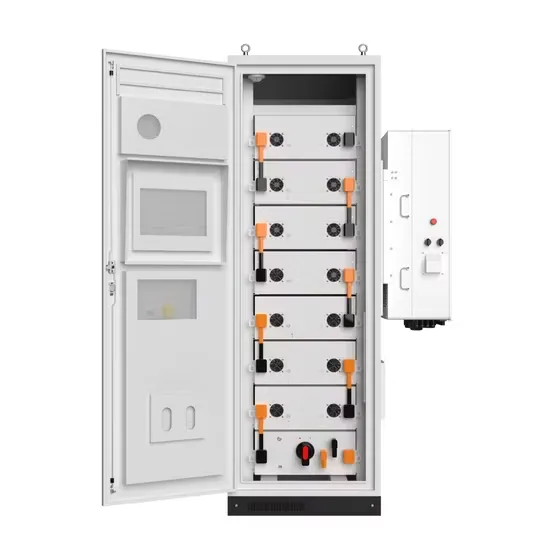
Recent pricing trends show standard industrial systems (1-2MWh) starting at $330,000 and large-scale systems (3-6MWh) from $600,000, with volume discounts available for enterprise orders. . Asia-Pacific represents the fastest-growing region at 45% CAGR, with China's manufacturing scale reducing container prices by 18% annually. . Costs range from €450–€650 per kWh for lithium-ion systems. [pdf] Harnessing abundant solar resources, an eco-resort located off the coast of Panama has chosen advanced lead batteries, paired with a battery. . Assembly is match mounted and balanced providing longevity and a smooth ride. phosphate pre-treatment and covers an e-coat primer layer Excellent corrosion resistance with a salt spray rating of more than 1,000 hours Beveled stud holes help to keep wheel securely in place on trailer Radial tire has. . Interviews with ESS developers by CEA at the event revealed pricing for DC containers had dropped again, with average pricing at US$150/k Oct 21, 2024 · A 1 MWh energy storage container typically costs between $100,000 to $500,000 or more, depending on various factors as mentioned below.
[PDF Version]
 MENU