
-
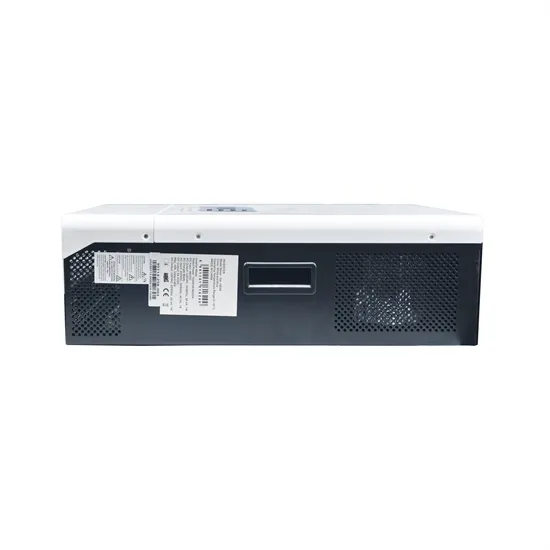
Energy storage cabinet bidirectional charging solar energy storage vs power grid
The secret sauce isn't just sunshine—it's the energy storage cabinet tucked in their garage. Let's crack open these technological marvels and see which. . By integrating modern battery systems and sophisticated Bidirectional power supplies, homeowners can store excess solar energy for later use, reducing dependence on the grid and enhancing energy independence. Besides that, in certain countries trading with the stored energy offers another. . Superior Backup Power Economics: Bidirectional EV systems provide 3-7 days of home backup power at $5,000-$12,000 total cost, significantly undercutting traditional generators ($8,000-$15,000) and dedicated battery systems ($15,000-$25,000) while serving dual transportation and energy storage. . Lithium-ion batteries have emerged as the current dominant technology, offering improved energy densities, cycle life, and reliability. Meanwhile, lower-cost alternatives to lithium, such as sodium-sulphur, are also being developed.
[PDF Version]
-
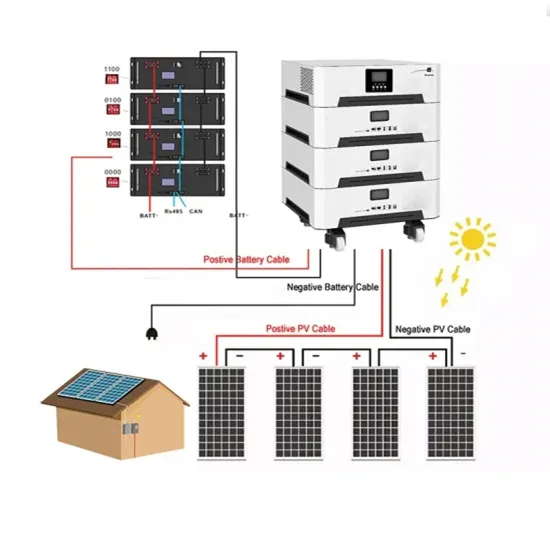
San jose cabinet solar energy storage cabinet lithium battery factory energy
Current models of battery electric vehicles (BEV) typically have a battery capacity of 40 to 66 kilowatt hour (kWh). Some models have a capacity up to 100 kWh, making them four to seven times larger tha.
[PDF Version]
-
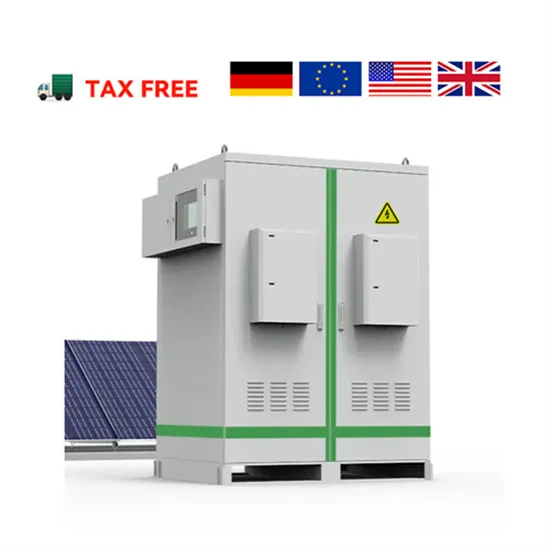
How many volts do off-grid home solar energy storage batteries require
Off-grid systems are typically designed at 12, 24, or 48 volts. For larger home systems, a 48V system is often the most efficient choice. . To determine battery storage for off-grid solar, aim for 2-3 days of energy capacity. For self-sufficiency, calculate your energy usage in watt-hours. Then, select the right battery size, typically lead-acid or lithium-ion, to ensure a reliable power supply for. . Solar battery storage systems typically collect and store excess electricity generated by solar panels during the day for use at night or when sunlight is insufficient. The amount of battery storage you need depends on your daily energy use, backup days, battery efficiency, and temperature. . Estimate the battery bank capacity required to power your off-grid system based on daily energy usage, system voltage, and depth of discharge. A. . Start by creating a comprehensive list of all appliances and devices you'll use in your off-grid home. You may want to consider 600-800 amp hours. .
[PDF Version]
-
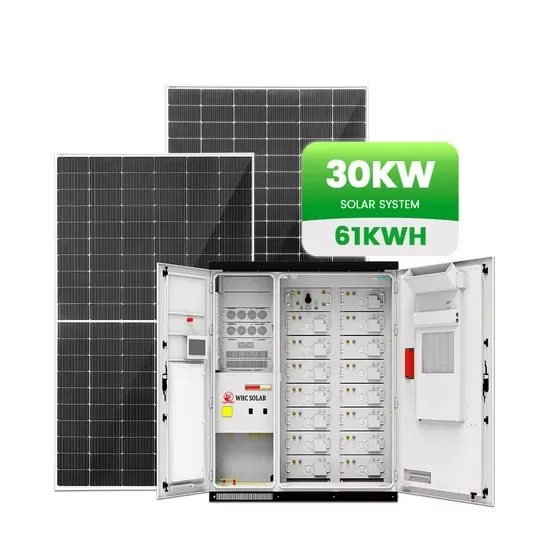
Power Source solar inverter Energy Storage
Energy storage inverters are crucial in this evolution, converting and managing energy from solar panels and batteries. They help convert AC to DC, thereby enhancing the accessibility of sustainable power. An inverter for energy storage not only converts direct current (DC) from solar panels or batteries into alternating current (AC) for home use but also ensures that this energy is. . This post explains what inverters do in energy storage setups and why they matter for merging renewables, keeping the grid steady, and maximizing system performance.
[PDF Version]
-
Latest price quote for off-grid solar energy storage cabinet single-phase
Prices for new energy storage charging cabinets typically range from $8,000 to $45,000+ depending on three key factors: "The average price per kWh dropped 17% since 2022, making 2024 the best year for storage investments. " - Renewable Energy Trends Report Let's examine two. . Off-grid solar systems typically cost between $45,000-$65,000 for a complete home setup, significantly more than grid-tied systems that average $15,000-$20,000. Battery storage represents the largest expense in an off-grid system, often accounting for 30-40% of the total system cost. Your location. . — PWM inverter technology, quasi-sine wave output, stable power supply. Prices listed are for reference only. Main parameters: Customizable Dimensions, Materials, and Appearance. Whether you're planning a solar integration project or upgrading EV infrastructure, understanding. . Top name brand, high performance off grid and battery backup solar systems and wholesale discount pricing to both homeowners and contractors. Shop. . Most industrial off-grid solar power sytems, such as those used in the oil & gas patch and in traffic control systems, use a battery or multiple batteries that need a place to live, sheltered from the elements and kept dry and secure.
[PDF Version]
-
What are some tips for solar inverters
In this article, we will provide some helpful tips on how to get the most out of your solar inverter. From installation and maintenance to choosing the right type of inverter, these tips will help you maximize your system and stay compliant with industry best practices and European. . Any solar power system needs a solar inverter as its main component. The inverter converts direct current (DC) power produced by solar panels into workable alternating current (AC) power for homes and businesses. This guide dives deep into the real-world do's and don'ts of solar inverter installation, helping homeowners. . Having made it clear that you should maintain the inverter, it is time we discuss some of the ways to keep your solar inverter. They keep the solar power system safe, ensure compatibility and maintain its efficiency.
[PDF Version]
 MENU