
-
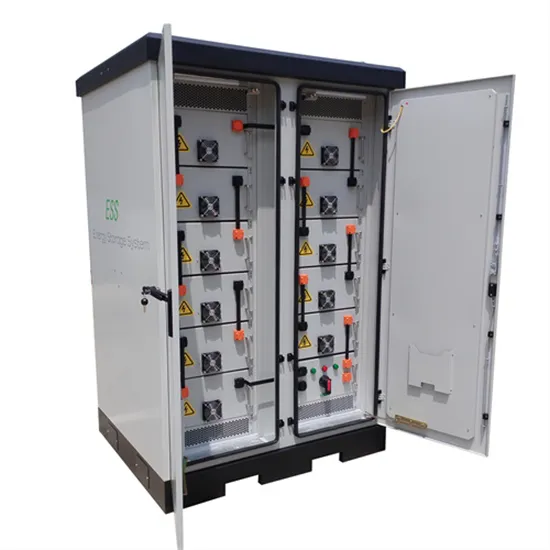
Cost of distributed energy storage cabinets in Afghanistan
Major projects now deploy clusters of 20+ containers creating storage farms with 100+MWh capacity at costs below $280/kWh. . Sector overview The total power generation capacity in Afghanistan stood at 641 MWin 2020 as per the latest available statistics from the International Renewable Energy Agency (IRENA). About 52 per cent of the capacity (333 MW) was accounted for by hydro,43 per cent (277 MW) by thermal and the. . Kabul's growing demand for reliable electricity – driven by urbanization and renewable energy adoption – has made lithium battery storage modules a cornerstone of modern power solutions. From solar farms to telecom towers, these systems bridge gaps between energy supply and demand. One reason may be generous subsidy support and non-financial drivers like a first-mover advantage (Wood Mackenzie, 2019). At $300 million, the project clocked in at $450/kWh. North America leads with 40% market share, driven by streamlined permitting processes and tax incentives that reduce total project costs by 15-25%.
[PDF Version]
-
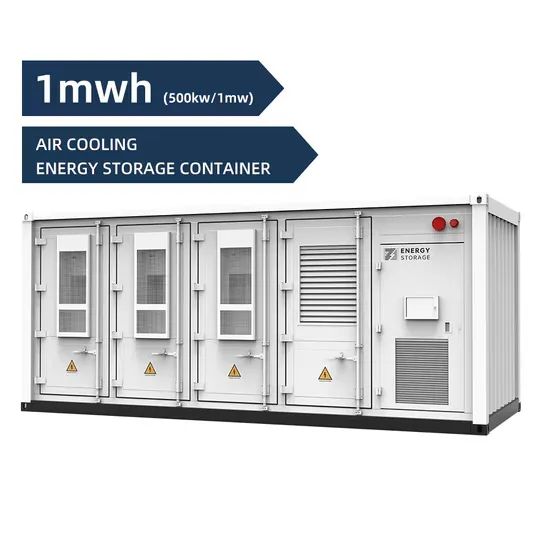
Cost of Single-Phase Outdoor Energy Storage Cabinets for Construction Sites
The price range for an outdoor energy storage cabinet typically lies between $3,000 and $15,000, depending on various factors, such as **1. additional features, and **5. When people ask “How much does. . Whether you're a factory manager trying to shave peak demand charges or a solar farm operator staring at curtailment losses, understanding storage costs is like knowing the secret recipe to your grandma's apple pie. In addition, Machan emphasises. . Fully integrated, pre-configured, and packaged systems can help reduce footprint, onsite installation time, and cost, and increase quality and reliability. Scalable from Residential to Utility. Let's examine the primary elements: Industry Insight: The 2023 BNEF report shows a 18% year-on-year decrease in lithium battery prices, making modular cabinet systems more accessible for. .
[PDF Version]
-
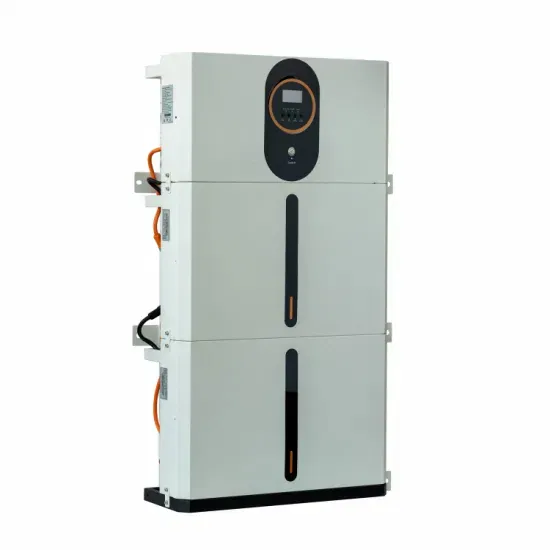
Large-scale cost of outdoor energy storage cabinets for energy companies
The price range for an outdoor energy storage cabinet typically lies between $3,000 and $15,000, depending on various factors, such as **1. additional features, and **5. . In this article, we break down typical commercial energy storage price ranges for different system sizes and then walk through the key cost drivers behind those numbers—battery chemistry, economies of scale, storage duration, location, and system integration. The market's expansion is fueled by several key factors. When discussing storage capacity, a. . These cabinets are designed to store energy from renewable sources, particularly solar and wind power, which can be used for residential, commercial, and industrial applications.
[PDF Version]
-
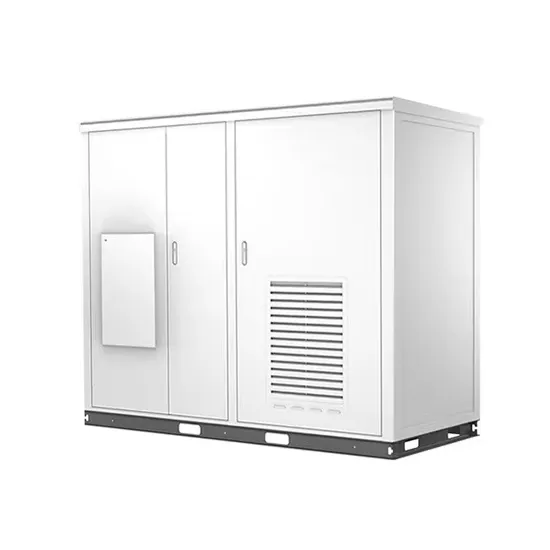
Cost of 19-inch Energy Storage Cabinets for US Substations
On average, the installation expenses can range anywhere from 10 to 30% of the total system cost, depending on site conditions and the extent of required electrical upgrades. Furthermore, local regulations and utility interconnection requirements can influence installation fees. . This outdoor 19-inch battery cabinet is engineered for telecom base stations, solar energy storage systems, and various outdoor power applications. Constructed from high-strength steel or stainless steel, it offers excellent waterproof, dustproof, and corrosion-resistant performance with IP55. . DOE's Energy Storage Grand Challenge supports detailed cost and performance analysis for a variety of energy storage technologies to accelerate their development and deployment The U. Department of Energy's (DOE) Energy Storage Grand Challenge is a comprehensive program that seeks to accelerate. . Prices for new energy storage charging cabinets typically range from $8,000 to $45,000+ depending on three key factors: "The average price per kWh dropped 17% since 2022, making 2024 the best year for storage investments. Watt's the Deal with Energy Density: New 400 Wh/kg cells reduce physical footprint costs by 30% compared to 2020 models 3.
[PDF Version]
-
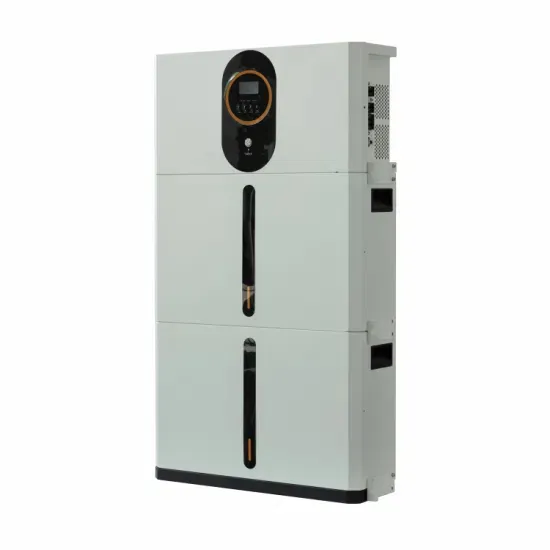
How much does the Uzbekistani Xianneng energy storage cabinet cost
"A well-designed storage system can reduce energy costs by 30-40% for factories in Tashkent's industrial zones. " - Uzbekistan Energy Ministry Report (2023) The price range for commercial-grade systems in Tashkent typically falls. . Solar Power Integration: Storing excess solar energy for night-time use in regions like Tashkent and Samarkand. Rural Electrification: Providing reliable off-grid power to remote communities. . Think of an energy storage cabinet as a tech-savvy Russian nesting doll. The big-ticket items include: 1. Raw Material Roulette: Lithium carbonate prices did the Macarena last year—$70k/tonne in 2023, $18k in 2024, now stabilizing at $24k [1] 2.
[PDF Version]
-
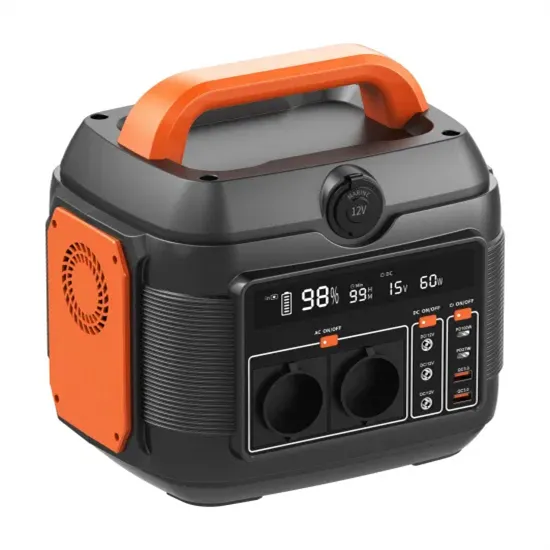
Off-grid cost of energy storage cabinet for african farms
Summary: This article breaks down the critical factors affecting energy storage cabinet construction costs, compares budget ranges for different project scales, and shares practical cost-saving strategies. Discover how material choices, system design, and emerging technologies impact your energy. . LondianESS, a leader in advanced energy storage, provides customized off-grid solar battery solutions tailored to Africa's unique challenges—harsh climates, unreliable grids, and rising energy demands. Energy Poverty & Grid Limitations Over 40% of Africa's population lacks. . An increasing number of African countries are starting Requests for Proposals (RfPs) for projects including both solar and storage, as there is a growing understanding of the technical advantages of storage as well as its price evolution. AFSIA's Africa Solar Outlook 2025 report, highlights that. . JNTech high-efficiency energy storage cabinet helps you seize the African market JNTech's innovative energy storage solutions help break through financing bottlenecks and light up a zero-carbon future JNTech's solar + storage system powers a remote village in Nigeria, replacing diesel generators. . Featuring lithium-ion batteries, integrated thermal management, and smart BMS technology, these cabinets are perfect for grid-tied, off-grid, and microgrid applications.
[PDF Version]
 MENU