
-
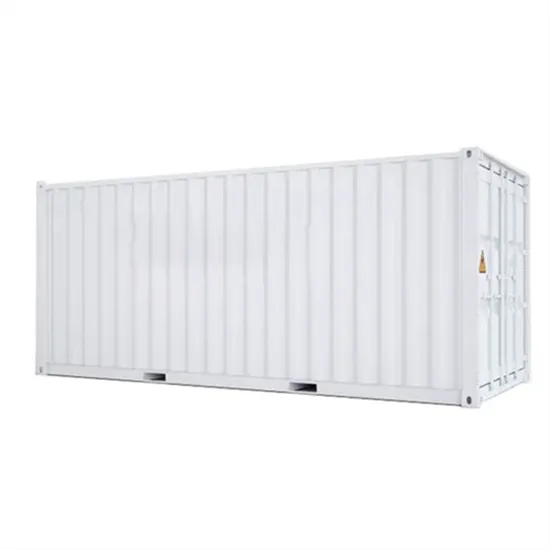
30m solar container communication station inverter grid-connected solar container battery capacity
Yes, Higher Wire offers customizable options including panel size, battery capacity, add-on features like backup generators, and climate control systems. This allows users to tailor the system to their specific energy needs and environmental conditions. . Grid-connected inverter control techniques Although the main function of the grid-connected inverter (GCI) in a PV system is to ensure an efficient DC-AC energy conversion, it must also allow other functions useful to limit the effects of the unpredictable and stochastic nature of the PV source. Designed for reliability and ease of deployment,the SolarContainer is ideal for powering critical infrastructure,remote. . The integrated containerized photovoltaic inverter station centralizes the key equipment required for grid-connected solar power systems — including AC/DC distribution, inverters, monitoring, and communication units — all housed within a specially designed, sealed container. The Gourou Banda Solar Power Station is a 50 MW (67,000 hp) under construction in. Our systems can be deployed quickly and. . Go big with our modular design for easy additional solar power capacity. Lower your environmental impact and achieve sustainability objectives by using clean,renewable solar. .
[PDF Version]
-
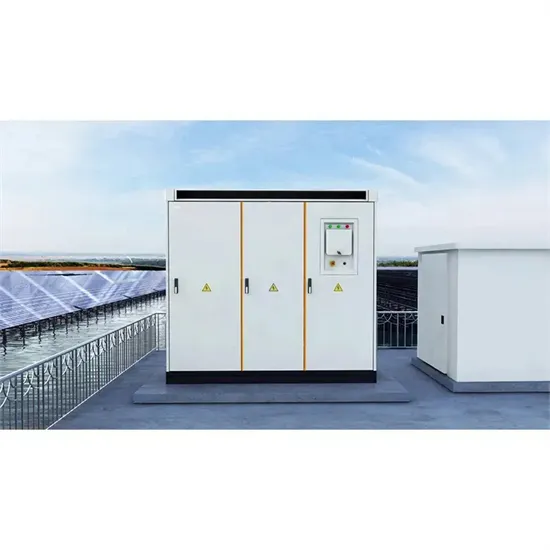
Can a 12v solar container lithium battery be connected to a 12v inverter
Yes, you can connect a solar panel directly to a battery. However, this risks overcharging, which generates heat and can harm the battery, reducing its lifespan. This ensures the system works well and stays safe. This is helpful in summer when gas plants work. . Correct method for wiring a 12V Battery, Inverter, and Charger? This is my first DIY project using a LifePo4 battery. I'd like to install all three in a box and simply plug in the charger to. . Connecting a solar panel to a 12-volt battery can be a game-changer for your energy needs, whether you're off-grid camping or simply looking to cut down on electricity bills. Here is a diagram connecting a single 100W solar panel to a 12V 100Ah lithium battery and a 500W inverter: In the first step, you will wire the. . Before learning how to connect solar panels to battery systems, you must understand each component's role and select the right equipment for your specific needs. To ensure safety, use a charge controller or voltage regulator.
[PDF Version]
-
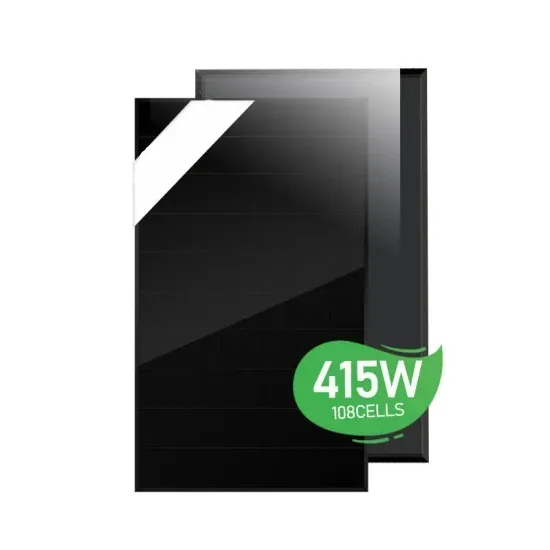
Brand new 24 volt solar container lithium battery inverter dedicated
This guide highlights five top-rated models that convert 24V DC into reliable 110–120V AC with pure sine wave output, MPPT charging, and robust protection features. . Finding the right 24 volt solar inverter can optimize your solar power system, whether for home, RV, or off-grid use. Below is a summary table. . Holding the ECO-WORTHY 24V 100Ah LiFePO4 Battery with Bluetooth in my hand, I immediately felt its surprisingly light weight—just 44 pounds—that packs a lot of power. Its compact size makes it easy to install in tight spaces like RVs or off-grid solar setups, and the smart Bluetooth feature allows. . Our 24-VOLT LiFePO4 batteries deliver unmatched performance for Container Home applications. With military-grade construction, smart BMS, and proven reliability, these batteries outperform traditional lead-acid by 3x while providing consistent power throughout the discharge cycle. This creates emergency replacements at 2x retail cost and operational downtime exceeding the battery's purchase price.
[PDF Version]
-
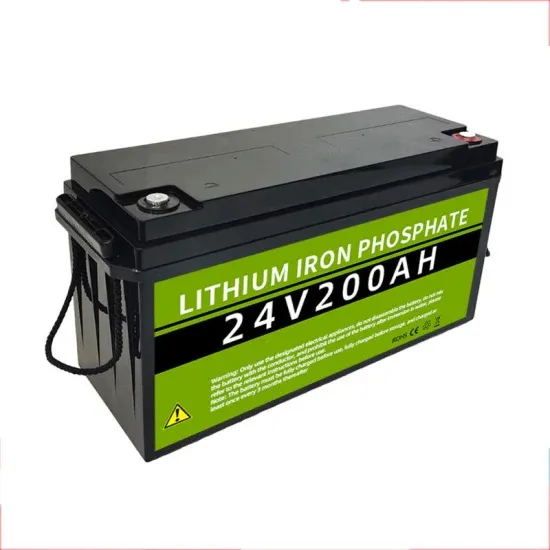
Can a 10V solar panel charge a 4V battery
Yes, you can charge a battery directly from a solar panel, but the process requires specific equipment and conditions to ensure safety and efficiency. Solar panels produce DC (direct current) electricity, which is compatible with most battery types. . Understanding Solar Components: Key components in solar charging include solar panels, charge controllers, batteries, and inverters, each playing a crucial role in efficiently harvesting and managing solar energy. Batteries are the heart of any solar system, storing sunshine during the day, so you can use that power whenever you need it. However, this method might not be the most efficient or safe way to achieve optimal battery performance. Without a regulator, on sunny days, the solar panel might generate more energy than your battery could. . Guy Gabay is a Solar Energy Contractor and the CEO of AmeriGreen Builders, a full-service solar energy, roofing, HVAC and window installation company based in the greater Los Angeles, California region.
[PDF Version]
-
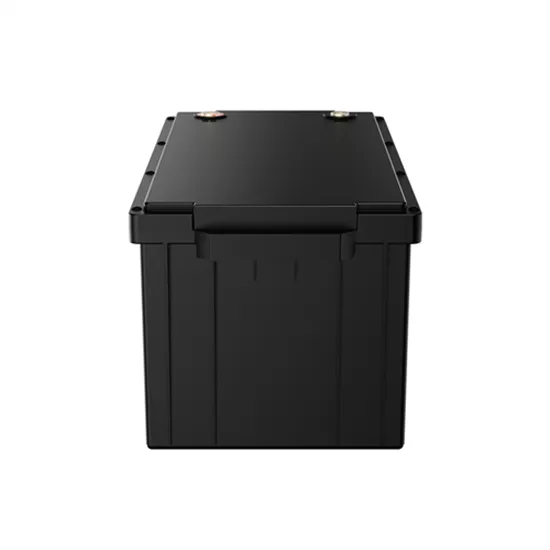
Solar container battery 1 hour fast charge
This article reviews the best fastest charging solar generators on Amazon, highlighting their capacity, output options, and recharge technology to help you select the ideal portable power station. . RIVER 2 includes advanced BMS protection, monitoring voltage, current, and temperature to keep your LFP battery running for years [Light & Portable] - With a lightweight of only 7. 7 lbs, RIVER 2 is the ideal outdoor generator for all your off-grid adventures. With a built-in handle, this portable. . - Rapidly recharge the power station in just 1 hour using an AC outlet, thanks to EcoFlow's X-Stream fast charging technology. Produces 1,440 watts of continuous power to run anything from a TV. Using them to power your container house lets you achieve energy independence and freedom from skyrocketing fuel and utility costs.
[PDF Version]
-
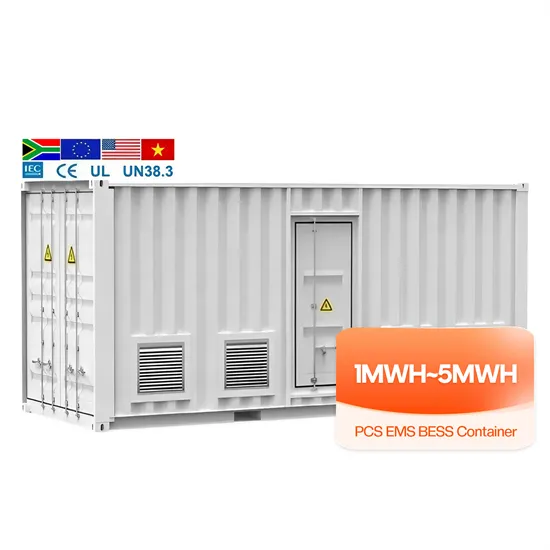
Is it safe to charge the solar container lithium battery of Kigali Tools
Before long-term storage (3-6 months or more), charge the battery to between 60-80% capacity. . The LithiumSafe™ Battery Box is designed for safely storing, charging and transporting lithium ion batteries. The most intensively tested battery fire containment solution on the market, engineered to fight all thermal runaway problems: • High temperature resistant up to 2552 ºF / 2552 ºC •. . Lithium batteries can present a considerable safety hazard if they are incorrectly handled or stored. Some common issues with lithium-ion batteries are fire hazards due to thermal runaway, deep discharge or mechanical deformation. What is a battery management system (BMS) for off-grid solar systems? In the domain of off-grid solar systems,a battery management system (BMS) stands out as an indispensable tool.
[PDF Version]
 MENU