
-
Can the refrigerator be powered by solar power
A: Yes, you can run a fridge on solar power by using a solar panel system. The solar panels generate electricity from sunlight, which can then be used to power the refrigerator. You will need to ensure that the solar panel system is appropriately sized to meet the energy. . One practical consideration that often arises is: can you run a refrigerator on solar power? The short answer is yes, but there are many factors to consider in doing so effectively. Solar energy systems utilize photovoltaic (PV) cells, which convert sunlight into electricity. In this guide, we'll break down how much power a fridge uses, the role of the inverter, the battery size required, and the exact number of solar panels you need to keep your fridge. .
[PDF Version]
-
How to boost voltage with solar power
Here's an overview how to increase solar panel output: Set the right tilt angle for your solar panel. Adjust your solar panel's direction. This is particularly important because solar panels produce maximum. . There are ways in which this electric voltage generated by solar panels can be increased and this article has the answer to the following: How Many Volts Can A Solar Panel Produce? The amount of volts a solar panel can produce depends on its power capacity and thus, different panels can produce. . Scroll to the bottom of any page to find a sun or moon icon to turn dark mode on or off! Voltage boost from panels to inverter. I have recently installed 2 x 435 Watt Trina solar panels on my self converted motorhome, with a micro inverter charger. The inverter charger I bought states. . In arranging solar panels, you have two options for modifying the power output, according the Ohm's law. Solar cells are comprised of silicon that has been carefull processed to absorb as much. .
[PDF Version]
-
Uninterruptible solar energy storage cabinet power supply system design in the middle east
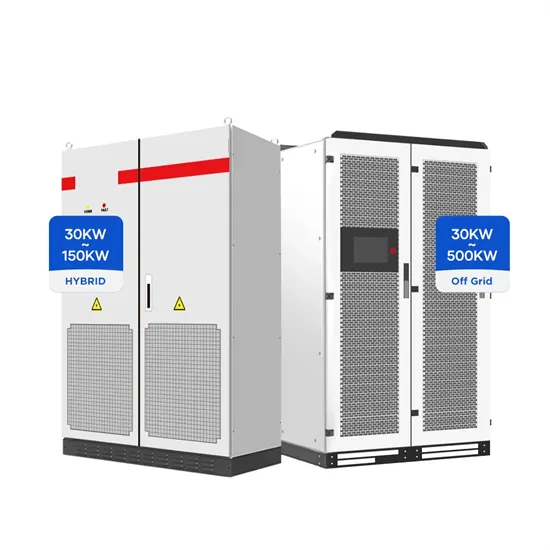
The growing demand for sustainable systems due to climate change has led to increased reliance on renewable energy sources. However, this transition has raised concerns about power quality in power sy.
[PDF Version]
-
Power consumption of solar powered lights
Typical solar lights consume between 0. Energy-efficient models tend to use around 5 to 15 watts, 3. . In a standard household, the electricity consumption for solar lights varies significantly based on their design, type, and functionality. Larger, high-intensity lights may. . Solar lights operate by converting sunlight into electricity, which is then used to power LED bulbs.
[PDF Version]
-
Solar inverter control switch principle
The inverter switch is the part that controls the on-off of inverter circuit. It controls the conversion frequency and direction of the transformer, so that the input direct current can be converted into the required AC power output to the load. The available inverter models are now very efficient (over 95% power conversion. . Whether the application is a solar calculator with a PV array of less than 1 W or a 100 MW grid-connected PV power generation plant, all that is required between the solar array and the load are electronic and electrical components. One of them is “Origin Wave Generator” for AC voltage, and the other is “AC generator” which produces a target AC voltage wave.
[PDF Version]
-
Is there a solar powered umbrella
If you want outdoor shade that also lights your evenings, solar-powered umbrellas blend sun-powered LEDs with durable canopies for year-round use. This guide highlights five top options, featuring built-in LED lighting, sturdy frames, and easy operation. . Check each product page for other buying options. Only 18 left in stock - order soon. A solar umbrella is a great outdoor accessory that everyone considers having in their home today, especially in their garden, patio, backyard, poolside, and deck. These amazing items are versatile and come in. . These devices are embedded with solar cells that absorb sunlight to produce electricity and light up the surroundings.
[PDF Version]
 MENU