
-
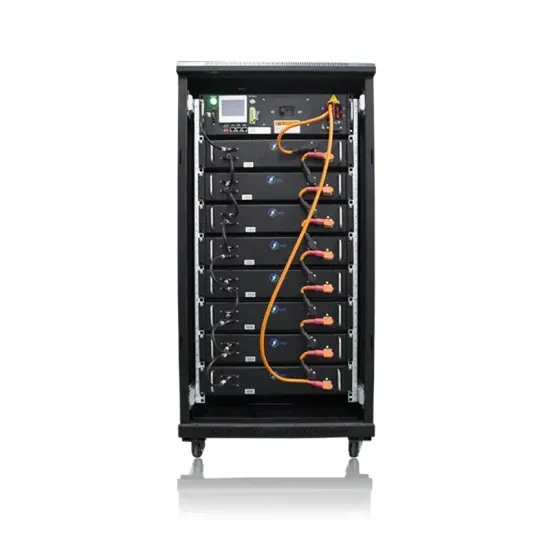
Delta energy storage systems are mainly divided into
Delta's energy storage solutions include the All-in-One series, which integrates batteries, transformers, control systems, and switchgear into cabinet or container solutions for grid and C&I applications. The streamlined design reduces on-site construction time and complexity, while offering. . fferences in time and magnitude of heat / cooling production. TES can help improve system performance by smoothing supply and demand and system temperature fluctuations, as well as imp categories: sensible, latent and thermochemical heat storage. Increased energy efficiency, 3. Delta leverages innovative power conversion and energy storage technologies to improve power dispatch, reduce fluctuations in PV power. .
[PDF Version]
-
Thailand lithium battery energy storage price
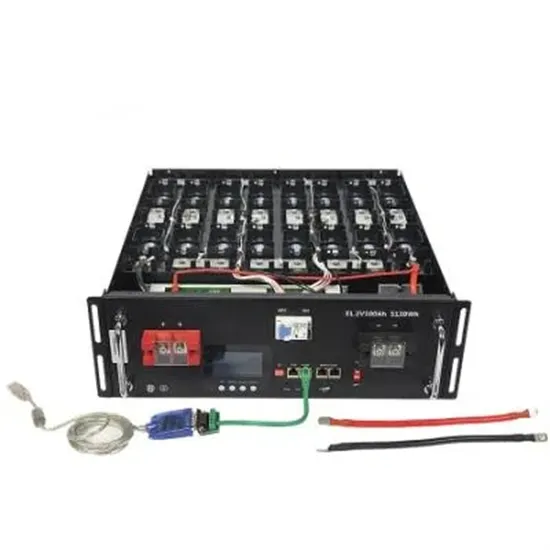
For example, a 1 MWh system now averages $280–$350/kWh in the region, down from $420/kWh in 2020. Raw Material Costs: Lithium carbonate prices fluctuated between $50,000–$80,000/ton in 2023. Policy Incentives: Thailand's Energy Regulatory Commission offers 15% tax breaks. . Let's crack open this coconut and see what's driving Thailand's lithium battery market. 8 million per MWh ($115,000-160,000), influenced by three key factors: Fun fact: The latest bid for Chonburi Province's 50MW. . The Thailand APAC battery energy storage system market is poised for substantial growth driven by technological advancements and increasing demand for renewable energy integration. 97 Bn, is growing due to renewable energy demands, EV expansion, and urban investments in cities like Bangkok. The Thailand Battery Energy Storage System Market is valued at USD 2.
[PDF Version]
-

Thailand Industrial Energy Storage Vehicle
March 26, 2025 – Toyota Motor Corporation (TMC), Toyota Motor Asia (TMA), and Siam Cement Group (SCG), in collaboration with partner companies including Toyota Tsusho Corporation (TTC), have commenced a demonstration project for a stationary Battery Energy Storage System (BESS). . March 26, 2025 – Toyota Motor Corporation (TMC), Toyota Motor Asia (TMA), and Siam Cement Group (SCG), in collaboration with partner companies including Toyota Tsusho Corporation (TTC), have commenced a demonstration project for a stationary Battery Energy Storage System (BESS). . Thailand intends to source nearly 35,000 MW of new electricity from renewables as it looks to reach carbon neutrality and net zero commitments. However, the deployment of Battery Energy Storage Systems across the country remains limited. There are plans to increase storage capacity, but it may not. . Thailand's energy storage sector leads in 2025 due to strategic government policies, abundant solar resources, industrial ecosystem integration, and diversified application scenarios. Policy frameworks like the Thailand 4. 56% from 2023 to 2024, with a compound annual growth rate (CAGR) of 0.
[PDF Version]
-
Thailand new energy battery storage box
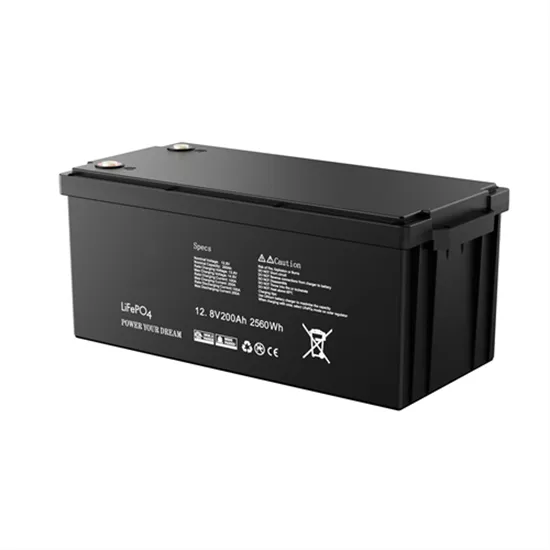
There are plans to increase storage capacity, but it may not be enough for the Kingdom to complete a successful clean energy transition. . Thailand intends to source nearly 35,000 MW of new electricity from renewables as it looks to reach carbon neutrality and net zero commitments. However, the deployment of Battery Energy Storage Systems across the country remains limited. They provide lighting, support daily operations, and serve as backup electricity sources. Battery energy storage systems (BESS) are. . Electric vehicles (EVs) are widely known for their battery power but batteries are also crucial for buildings, factories, and power plants using renewable energy. Renewable sources like solar and wind power are intermittent, and influenced by weather patterns. BESS mitigates this issue by storing electricity. . Solar and wind, the two key variable renewable energy (VRE) technologies which have been facilitating grid decarbonisation around the world in recent years, only account for a total of four per cent of Thailand's current electricity output. [2] While grid capacity is currently approximately 48.
[PDF Version]
-
Exchange on Smart Photovoltaic Energy Storage Containers Used in Wastewater Treatment Plants in Thailand
Experts from 14 countries analyzed the potential for solar heat and photons for wastewater treatment in industry and municipal wastewater treatment. This article highlights the most promising outcomes. Eighty percent of the world's energy needs are met by fossil fuels. . Climate change • Climate change refers to long-term shifts in temperatures and weather patterns. 48-minute listen | 31-minute read | 1-minute video Wastewater treatment. . Within the industry's transition to a circular economy, sustainable wastewater treatment and recovery should be reached without excessive strain on limited energy supplies and by decreasing fossil energy consumption. Wastewater. . Scarcity of land coupled with rising land price is detrimental in developing large-scale solar photovoltaic (PV) power plants. Technical assessment and feasibility study of. .
[PDF Version]
-
Solar and energy storage power supply simultaneously
This study provides an insight of the current development, research scope and design optimization of hybrid photovoltaic-electrical energy storage systems for power supply to buildings and can serve as an e.
[PDF Version]
FAQS about Solar and energy storage power supply simultaneously
Why do we need a solar energy storage system?
The need for these systems arises because of the intermittency and uncontrollable production of wind, solar, and tidal energy sources. Therefore, a storage system that can store energy produced from renewable energy sources and then convert it into electrical energy when required is highly needed.
Can electrical energy storage systems be integrated with photovoltaic systems?
Therefore, it is significant to investigate the integration of various electrical energy storage (EES) technologies with photovoltaic (PV) systems for effective power supply to buildings. Some review papers relating to EES technologies have been published focusing on parametric analyses and application studies.
What is energy storage & how does it work?
Sometimes energy storage is co-located with, or placed next to, a solar energy system, and sometimes the storage system stands alone, but in either configuration, it can help more effectively integrate solar into the energy landscape. What Is Energy Storage?
Should solar energy be combined with storage technologies?
Coupling solar energy and storage technologies is one such case. The reason: Solar energy is not always produced at the time energy is needed most. Peak power usage often occurs on summer afternoons and evenings, when solar energy generation is falling.
 MENU