
-
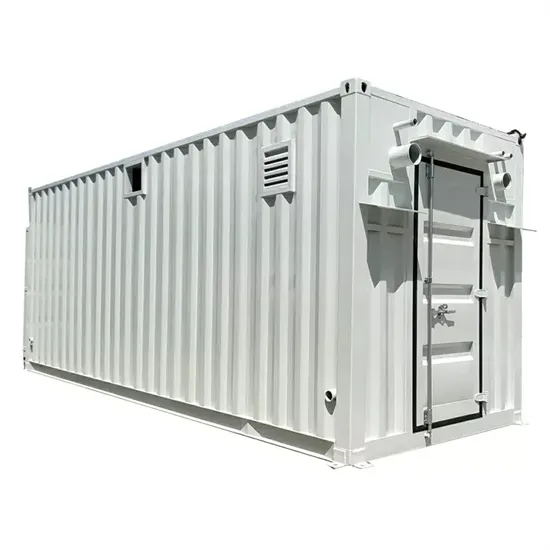
Mozambique Energy Storage Container
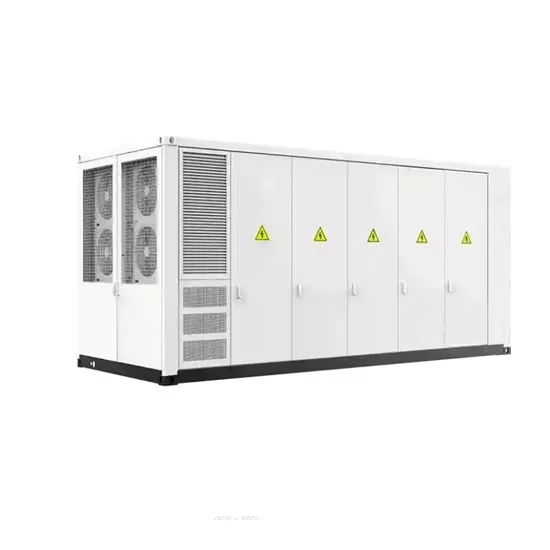
Major projects now deploy clusters of 20+ containers creating storage farms with 100+MWh capacity at costs below $280/kWh. . Summary: Mozambique's energy storage power station projects are revolutionizing renewable energy integration while addressing grid stability challenges. This project not only helped the mine effectively solve the problems of unstable power. . Phase change materials (PCMs) aren't new – NASA used them in 1960s spacesuits. When the sun's out, solar energy melts the wax at 58°C. At night, it solidifies and releases heat to drive turbines. The first utility-scale CAES project was a?| The global solar storage container market is experiencing explosive growth, with demand. . Recently, SCU successfully provided a 2MWh energy storage container system and a 1500kVA uninterruptible power supply (UPS) solution for a gemstone mine in Mozambique as the main backup power supply for the mine.
[PDF Version]
-
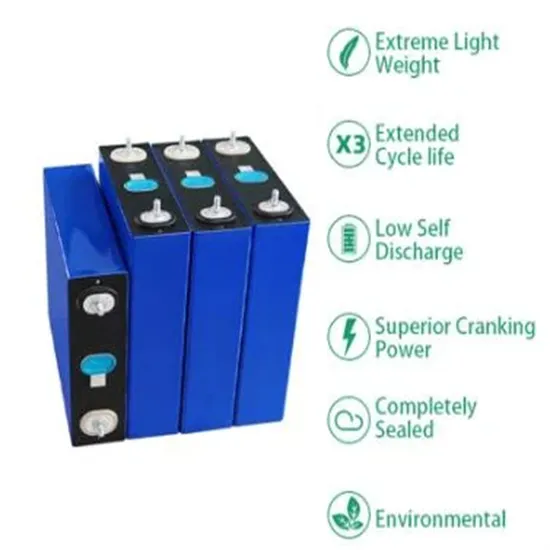
Energy storage for electric vehicles mozambique
The Mozambican government intends to set up an electric vehicle battery plant in the country to meet the growing demand of domestic and international markets, a senior official has said. . Radar based specified techniques is employed to analyse the various performance parameters of battery technology in electric mobility. “In the coming years, we are thinking of introducing electric vehicles, and even next year we would like to. . upgrades and an energy storage system for EDM. This battery-based uamba, a city in Mozambique's Niassa province. Scope of the US$32 million. . re extensive electricity grid is in p could be electric by 2025 and 35% by 2030. It will produce enough material to supply more than 250,000. .
[PDF Version]
-
Solar energy mozambique
Mozambique has a potential solar energy yield estimated between 1,785 and 2,206 kWh/m2/year, resulting in a solar energy potential of 23,000GWh/year. In August 2019, the first grid-ready solar power station, the 40 megawatts, in,, achieved commercial commissioning. Developed as a (PPP) project, it is co-owned by a European IPP, a Mozambican parastatal and a European financier.
[PDF Version]
-
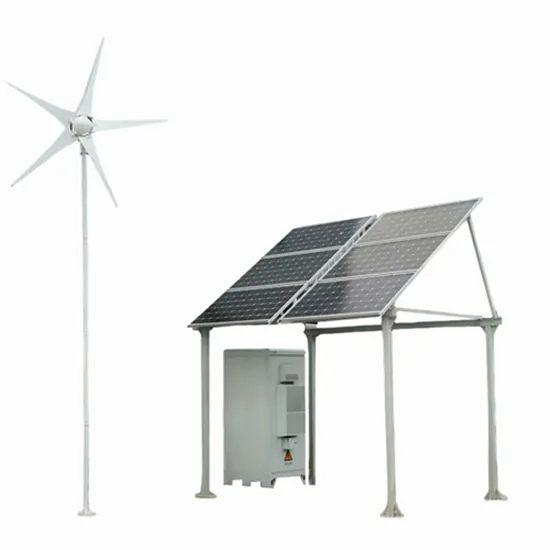
The difference in future potential between photovoltaics and energy storage
Photovoltaic (PV) systems convert sunlight into electricity, acting as power generators. Energy storage systems (ESS) store excess energy for later use, functioning like rechargeable batteries. Think of PV as a water pump and ESS as a reservoir – one creates resources, the other preserves them. The integration of PV and energy storage in smart buildings and outlines the role of energy storage fo ation of load management and energy storage systems. This review paper sets out the range of energy storage options for photovoltaics includin. . Sometimes energy storage is co-located with, or placed next to, a solar energy system, and sometimes the storage system stands alone, but in either configuration, it can help more effectively integrate solar into the energy landscape. When evaluating their effectiveness, 1.
[PDF Version]
-
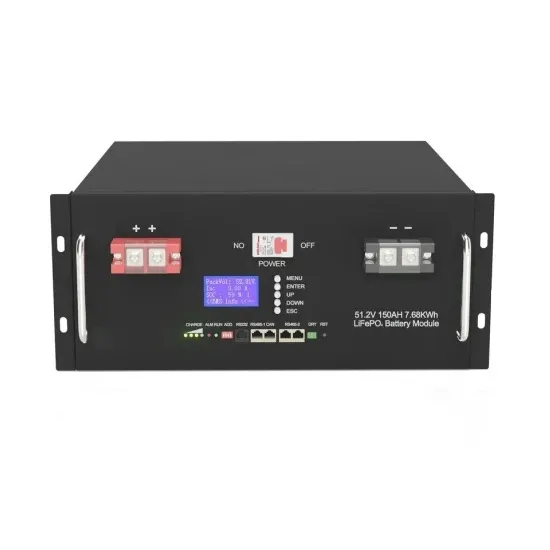
The future prospects of photovoltaic energy storage batteries
In 2025, capacity growth from battery storage could set a record as we expect 18. . Breakthroughs in battery technology are transforming the global energy landscape, fueling the transition to clean energy and reshaping industries from transportation to utilities. With demand for energy storage soaring, what's next for batteries—and how can businesses, policymakers, and investors. . Battery storage in the power sector was the fastest growing energy technology in 2023 that was commercially available, with deployment more than doubling year-on-year. All forecasts are from Wood Mackenzie Power & Renewables; ACP does not predict future pricing, costs or deployments. It discusses the increasing efficiency and declining costs of lithium-ion batteries, the integration of artificial intelligence and smart grid technologies, and the growing demand for. .
[PDF Version]
-
Mozambique home system energy storage battery
This product is designed as the movable container, with its own energy storage system, compatible with photovoltaic and utility power, widely applicable to temporary power use, island application, emergency power supply, power preservation and backup. The answer lies in. . Discover how Mozambique's latest energy storage battery policy creates opportunities for solar integration, grid stability, and sustainable development. With 62% of its population lacking reliable electricity access, Mozambique is accelerating its renewable energy adoption. While batteries were first produced in the 1800s, the ty. Forget cookie-cutter solutions. Mozambique's energy storage needs are as diverse as its 11 climate. .
[PDF Version]
 MENU