
-
Benefits of self-built decentralized solar power generation
Decentralized solar power grid integration offers numerous advantages such as increased resilience and reliability, reduced transmission losses, enhanced local energy independence, flexibility in energy distribution, and potential cost savings. . Imagine a world where every home and building is equipped with solar panels, creating a decentralized solar power grid integration. With enhanced local. . Decentralized solar energy refers to electricity generated close to the point of use—typically via rooftop panels, microgrids, or community solar projects.
[PDF Version]
-
Photovoltaic power generation energy storage power station fire protection
Renewable energy facilities face unique safety challenges—tall wind towers in remote locations, high-voltage solar arrays, and energy storage systems with concentrated fire risks. . NFPA is keeping pace with the surge in energy storage and solar technology by undertaking initiatives including training, standards development, and research so that various stakeholders can safely embrace renewable energy sources and respond if potential new hazards arise. NFPA Standards that. . This is where the National Fire Protection Association (NFPA) 855 comes in. Effective fire risk management is essential for safety, 2. Implementing advanced detection systems enhances response capabilities, 3. Widely certified under NEC 690. 2 TWh by 2030, fire protection systems aren't just optional – they're the difference betwe Did you know lithium-ion batteries – the backbone of modern energy storage – can reach temperatures of 500°C within seconds during thermal runaway? With. .
[PDF Version]
-
Energy storage battery aging cabinet power
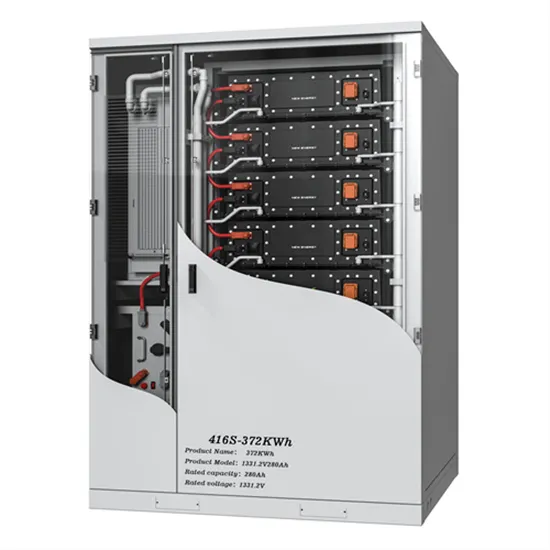
Modern aging cabinets don't just charge and discharge batteries. It's like having a crystal ball for energy. . Ever wondered how top-tier lithium battery manufacturers ensure 99. Let's explore how this technology reshapes energy storage testing. This article explores their applications across industries like renewable energy and electric vehicles, examines testing protocols, and shares data-driven insights to help businesses improve. . The secret often lies in energy storage power cabinets – the unsung heroes of modern electricity management. These metal beasts aren't your grandpa's battery boxes; they're sophisticated systems storing enough juice to power small neighborhoods. Outdoor energy storage power supply aging cabinets have become critical quality control tools as renewable energy installations grow 14%. . The utility model discloses energy storage power supply aging cabinet equipment, which comprises a structural main body, wherein the structural main body comprises a cabinet body with a hollow structure, an inverter, an AC/DC converter and a host are arranged in the cabinet body, a plurality of. .
[PDF Version]
-
Sri Lanka Electrochemical Energy Storage Power Station
Their Sri Lanka energy storage system uses cutting-edge lithium-iron phosphate tech – the same stuff powering electric vehicles, but scaled up to city-sized proportions. Here's the kicker: this station can store enough juice to power 50,000 homes during peak demand. . The Maha Oya Pumped Storage Power Station is a 600 MW pumped-storage power station being developed in the Aranayaka and Nawalapitiya areas of Sri Lanka. Upon completion, it will be the country's first energy storage facility, and one of the largest power stations in Sri Lanka in terms of nameplate. . Sri Lanka aims to raise its renewable energy share to 40% by 2030, necessitating Energy Storage Systems (ESS) for effective grid integration and balancing of diverse renewable sources. Generated energy can be stored as potential, kinetic, chemical and thermal energy, and can be released in various forms as necessary, most commonly, as electricity.
[PDF Version]
-
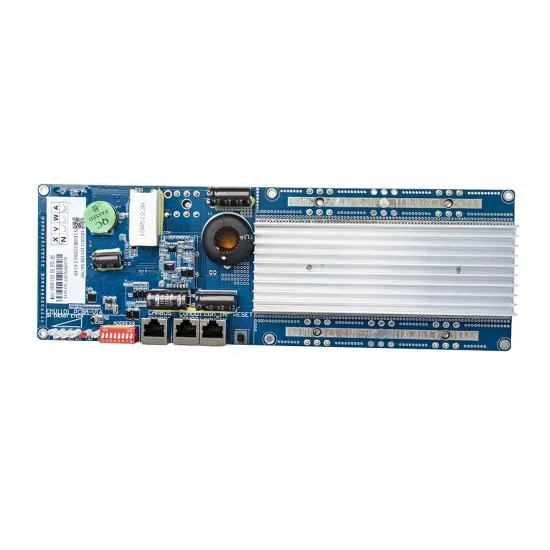
Pretoria air energy storage power station
Pretoria, South Africa's administrative capital, is now home to the largest energy storage power station in the region. Compressed air energy storage (CAES) is one of the important means to solve the instability of power generation in renewable. . Imagine having a giant underground battery that stores excess energy using. It has a high storage capacity, is a clean technology, and has a long life cycle. CAES efficiency depends on various factors, such as. Motivated by the suboptimal performances observed in. . Compressed air energy storage (CAES) is one of the many energy storage options that can store electric energy in the form of potential energy (compressed air) and can be deployed near central power plants or distribution centers. For example, the "Action Plan for Standardization Enhancement of Energy Carbon Emission Peak and Carbon Neutrality" issued by the NEA on September 20. .
[PDF Version]
-
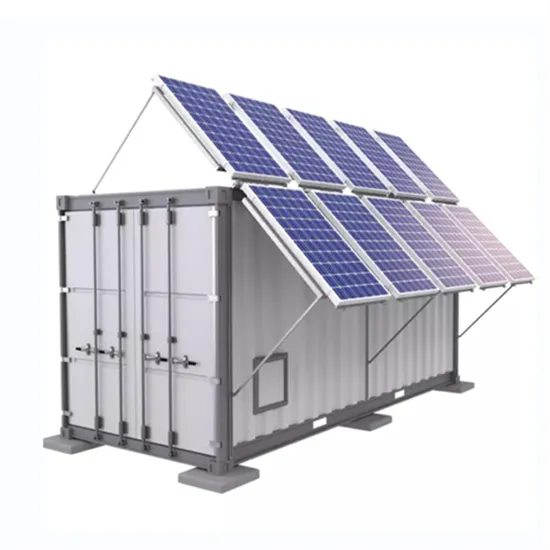
Lithium battery structure of energy storage power station
Their unique composition structure balances high energy density, long cycle life, and thermal stability. Let's break down what makes these batteries tick and why sectors like solar power and transportation rely on them. . A battery energy storage system (BESS), battery storage power station, battery energy grid storage (BEGS) or battery grid storage is a type of energy storage technology that uses a group of batteries in the grid to store electrical energy. These facilities require efficient operation and management functions, including data collection capabilities, system control, and management capabilities.
[PDF Version]
 MENU