
-
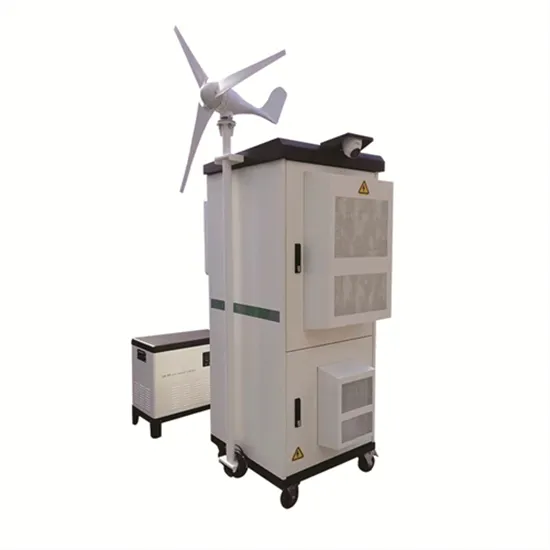
National standard for testing energy storage solar container lithium battery cabinets
The first edition of UL 1487, the Standard for Battery Containment Enclosures, was published on February 10, 2025, by UL Standards & Engagement as a binational standard for the United States and Canada. . An overview of the relevant codes and standards governing the safe deployment of utility-scale battery energy storage systems in the United States. UL 1487 is a result of collaboration that started in 2023 amongst interested parties, including. . NFPA is keeping pace with the surge in energy storage and solar technology by undertaking initiatives including training, standards development, and research so that various stakeholders can safely embrace renewable energy sources and respond if potential new hazards arise. We can also conduct an evaluation in the field or at a manufacturing location if required. This process is not merely procedural but a crucial safeguard against the significant. . Assists users involved in the design and management of new stationary lead-acid, valve-regulated lead-acid, nickel-cadmium, and lithium-ion battery installations.
[PDF Version]
-
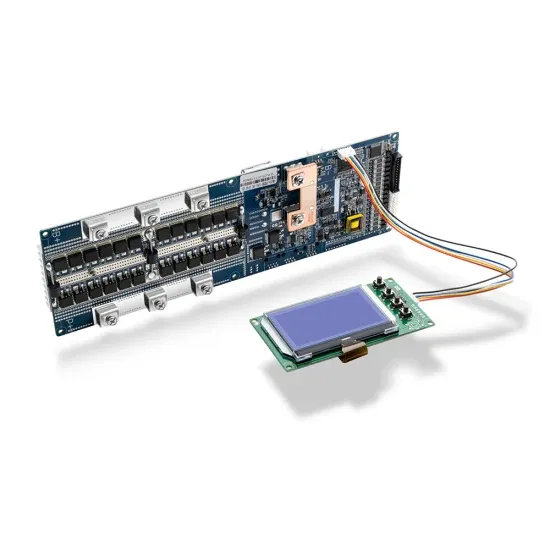
Comparative Maintenance of Low-Temperature Lithium Battery Energy Storage Cabinets
This review aims to resolve this issue by clarifying the phenomenon and reasons for the deterioration of LIB performance at low temperatures. However, they still face several challenges. Low-temperature environments have slowed down the. . This study explores the effects of low temperatures on the performance of various lithium-ion batteries (LIBs), comparing different sizes and chemical compositions. Key elements affected include battery chemistry, charge and discharge rates, and overall cycle life. In this comprehensive guide, we will explore the science behind cold-weather. . Liquid cooling: Liquid cooling system refers to the use of liquid as a heat-conducting medium, transferring heat directly or indirectly by coming into contact with cooling liquid and heat-generating components. It is a heat dissipation technique that removes the heat generated by the. .
[PDF Version]
-
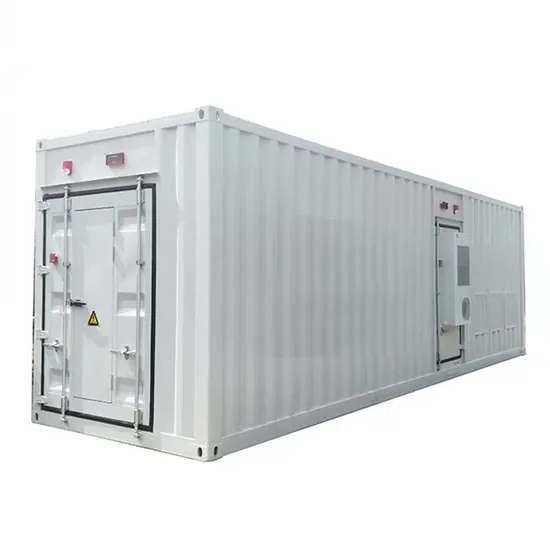
Procurement of 120kWh Lithium Battery Energy Storage Cabinets in New Zealand
A well-structured RFP minimizes risks, streamlines vendor selection, and ensures that your BESS project aligns with performance, safety, and budgetary goals. This guide outlines the key sections to include in your BESS RFP and best practices for creating an effective document. Bid on readily available Energy Storage contracts with the best and most comprehensive government procurement platform, since 2002. Tendering authorities and. . A Request for Proposal (RFP) is a critical document when procuring a Battery Energy Storage System (BESS). With projects like State Grid Gansu's 291kWh solid-state battery cabinet procurement (¥645,000 budget) [1] and Southern Power Grid's 25MWh liquid-cooled cabinet framework tender [10], bidding opportunities are. . Successful battery energy storage procurement requires a detailed, strategic approach that goes far beyond simply choosing the lowest bidder.
[PDF Version]
-
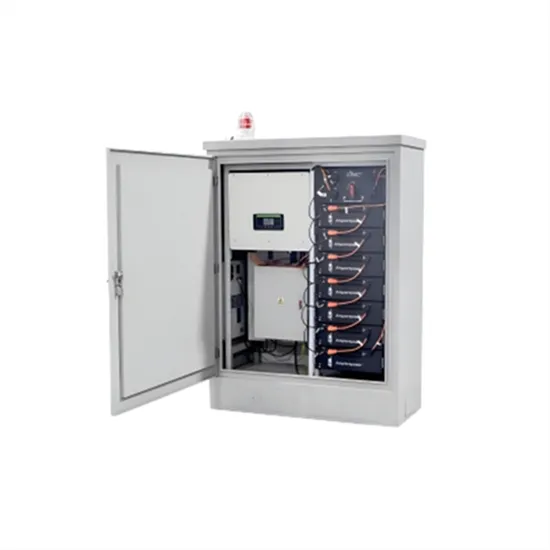
Off-grid type manufacturer of lithium battery energy storage cabinets for bridges
At CooliBattery, we specialize in manufacturing and supplying high-performance LiFePO4 home energy storage systems designed for solar applications, off-grid living, and residential backup. . Discover AZE's advanced All-in-One Energy Storage Cabinet and BESS Cabinets – modular, scalable, and safe energy storage solutions. With IP54/IP55 protection, anti-corrosion design, and intelligent temperature control, they are ideal for telecom base stations, remote power supply, and containerized microgrids. Our outdoor cabinets. . KonkaEnergy Cabinets & Racks Collection – Engineered for secure and efficient energy storage, our battery cabinets and racks provide robust solutions for commercial and industrial applications.
[PDF Version]
-
Indian energy storage lithium battery pack manufacturer
Premier manufacturer of Lithium-Ion Battery Packs, Energy Storage Systems (ESS), and Smart BMS technology. Engineered in India for the world's most demanding industries. . Let's look at these top 5 Indian companies in lithium-ion batteries that are leading the way in innovation and making an effort towards a sustainable world: 1. Amara Raja Energy & Mobility Ltd. Formerly known as Amara Raja Batteries, the company has emerged as a player to watch in India's energy. . When compared to a lead acid battery, Li-ion battery manufacturers have launched advanced Li-ion battery packs that offer a wider range of applications, including: Studies show 90% of the total lithium-ion battery demand will be driven by automotive applications, in addition to the demand for LiB. . India is rapidly consolidating its position as a major hub for lithium‑ion battery manufacturing, driven by accelerating adoption of electric vehicles (EVs) and grid‑scale energy storage across the country. Market studies now project India's cumulative lithium‑ion battery demand to reach well over. . As an OEM or a distributor, it is essential to source your lithium battery supply from the best lithium battery manufacturer in India for high product reliability, scalability, and global compliance. Capacity guarantee adheared due. .
[PDF Version]
-
General energy storage lithium battery production process
The production of lithium-ion battery cells primarily involves three main stages: electrode manufacturing, cell assembly, and cell finishing. Each stage comprises specific sub-processes to ensure the quality and functionality of the final product. . Due to increases in demand for electric vehicles (EVs), renewable energies, and a wide range of consumer goods, the demand for energy storage batteries has increased considerably from 2000 through 2024. Energy storage batteries are manufactured devices that accept, store, and discharge electrical. . In this review paper, we have provided an in-depth understanding of lithium-ion battery manufacturing in a chemistry-neutral approach starting with a brief overview of existing Li-ion battery manufacturing processes and developing a critical opinion of future prospectives, including key aspects. . Lithium battery manufacturing encompasses a wide range of processes that result in the production of efficient and reliable energy storage solutions. Different types of lithium stability against aging is therefore obligatory.
[PDF Version]
 MENU