
-
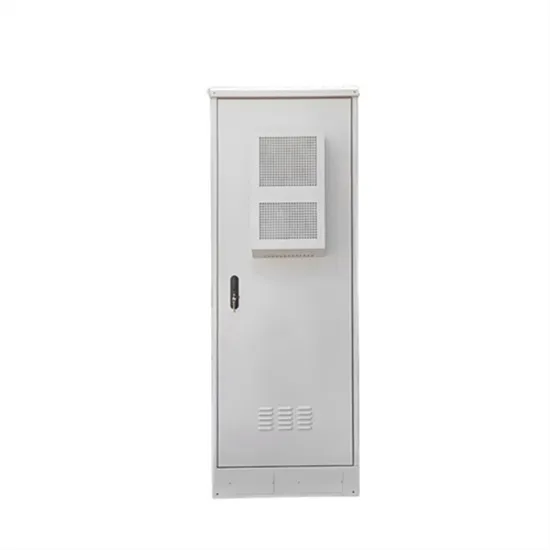
Electricity for venezuelan smart photovoltaic energy storage cabinet low-pressure type
The LZY solar battery storage cabinet is a tailor-made energy storage device for storing electricity generated through solar systems. . ency power supply for a separated power by including it in medium and lo g-term strategies. It consists of various components that work together to ensure efficient energy storage and management. These cabinets are integral in residential, commercial, and industrial applications, providing a reliable. . Multi-dimensional use, stronger compatibility, meeting multi-dimensional production and life applications High integration, modular design, and single/multi-cabinet expansion Zero capacity loss, 10 times faster multi-cabinet response, and innovative group control technology Meet various industrial. . icity system is analyzed. Two well-known recovery plans, the Venezuelan Electricity Sector Recovery Plan (VESRP) and the Country Plan Electricity (CPE), are described in detail, and their challenges are discussed in the context of the e ela's electricity system. The local control. . Liquid fuels Natural gas Coal Nuclear Renewables (incl. hydroelectric) Source: EIA, Statista, KPMG analysis Depending on how energy is stored, storage technologies can be broadly divided into the following t.
[PDF Version]
-
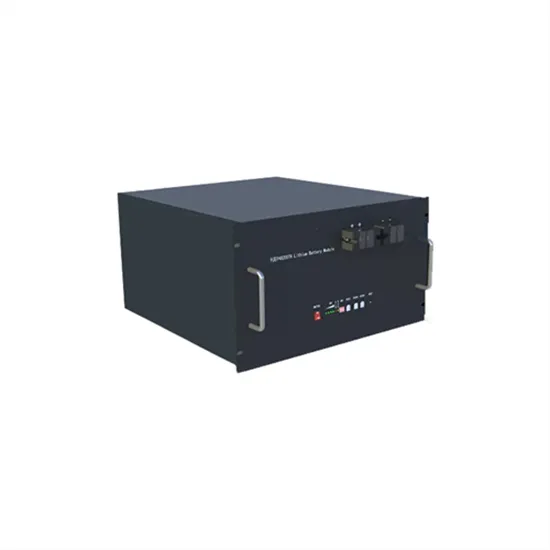
How much does a 500kWh smart photovoltaic energy storage container cost in Togo
The energy storage system is essentially a straightforward plug-and-play system which consists of a lithium LiFePO4 battery pack, a lithium solar charge controller, and an inverter for the voltage requested. Price is $387,400 each (for 500KWH Bank) plus freight shipping from China. On a system level, full setups generally fall between $10,000 and. . In 2023, a 500kW system typically ranges between $250,000 and $500,000. Why the spread? Let's unpack it: Battery Chemistry: Lithium iron phosphate (LFP) dominates now—cheaper and safer than old-school NMC. Installation: Site prep? Permits? Labor? That's another $50k-$80k hiding in the fine print. A. . This scheme is applicable to the distribution system composed of photovoltaic, energy storage, power load and power grid (generator). Peak shaving and valley filling: by charging and storing energy at valley time and discharging energy at peak time, the electricity cost of customers can be reduced. . The prices of solar energy storage containers vary based on factors such as capacity, battery type, and other specifications.
[PDF Version]
-
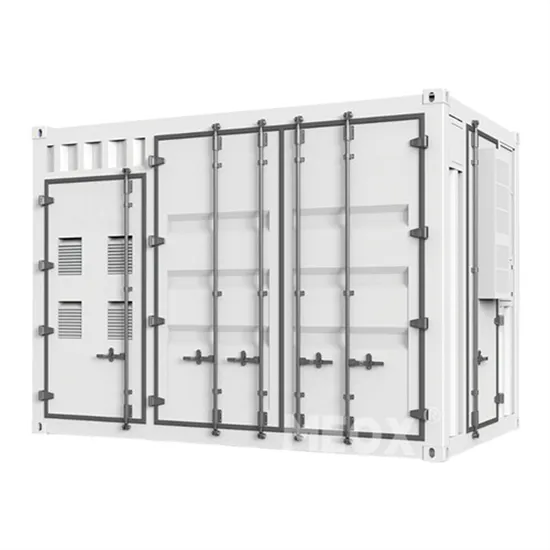
Off-grid type cost of smart photovoltaic energy storage container
In general, a basic solar trailer (plug-and-play PV only) starts around €21,500 for a 12. 6 kWp system with 41 kWh battery, while mid-range hybrid containers (80–200 kW PV with LiFePO₄ storage) often cost €30,900–€43,100; small off-grid units can be found for. . The prices of solar energy storage containers vary based on factors such as capacity, battery type, and other specifications. Let's break down what really goes into the cost and whether it's worth your money. This enables 20-foot containerized systems storing 500-800kWh to operate at $0. They are also more practical and efficient compared to diesel generators.
[PDF Version]
-
Payment Methods for 100-foot Smart Photovoltaic Energy Storage Containers Used at Airports
Welcome to our technical resource page for Payment Methods for Ultra-Large Capacity Smart Photovoltaic Energy Storage Containers!. Welcome to our technical resource page for Payment Methods for Ultra-Large Capacity Smart Photovoltaic Energy Storage Containers!. The storage system is based on proven lithium-ion technology (LiFePO) and sophisticated electronics. The on-grid version of the solarfold container is connected directly to the public power gridand can supply up to 40 single-family homes with the energy produced (energy requirement of 3,500. . This is the product of combining collapsible solar panels with a reinforced shipping container to provide a mobile solar power system for off-grid or remote locations. Unlike standard solar panel containers, LZY's mobile unit features a retractable solar panel unit for quick installation. Folding. . Would you like to generate clean electricity flexibly and efficiently and earn money at the same time? With Solarfold, you produce energy where it is needed and where it pays off. Ideal for remote areas, emergency. Maximize your ROI with a containerized battery energy storage system.
[PDF Version]
-
How much does a 20MWh smart photovoltaic energy storage container cost
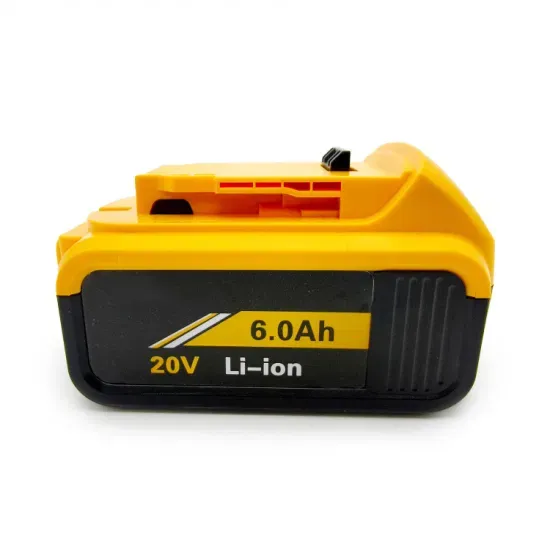
As of 2024, the installed cost of a 20MWh solar battery energy storage system ranges from $1. 8 million to $4 million, depending on chemistry, cooling method, and region. LFP systems typically fall between $150–$250/kWh, while NMC may be slightly cheaper upfront but incur. . When selecting a solar battery energy storage system BESS 20MWh for utility-scale or commercial applications, prioritize systems with proven cycle life (minimum 6,000 cycles at 80% depth of discharge), modular scalability, robust thermal management, and UL 9540/IEC 62619 certification. According to data made available by Wood Mackenzie's Q1 2025 Energy Storage Report, the following is the range of price for PV energy storage containers in the market:. . DOE's Energy Storage Grand Challenge supports detailed cost and performance analysis for a variety of energy storage technologies to accelerate their development and deployment The U.
[PDF Version]
-
Southeast Asia Photovoltaic Smart Power Station Energy Storage
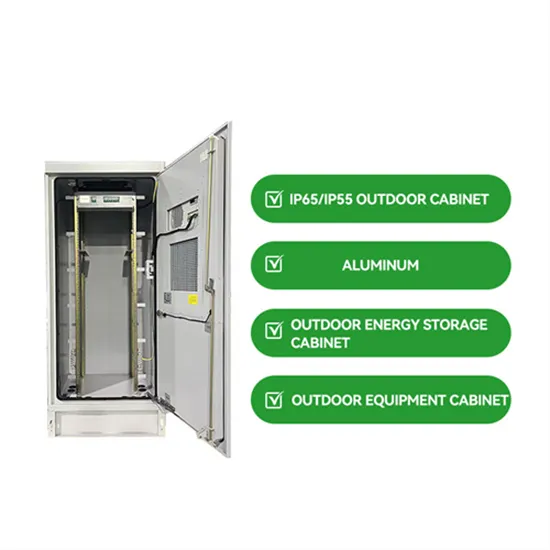
As Southeast Asia accelerates its shift toward renewable energy, photovoltaic power station containers are emerging as game-changers. This article explores how these modular systems address regional challenges, enhance efficiency, and create opportunities for businesses. The Sembcorp ESS is Southeast Asia's largest ESS and spans across two hectares of land in the Banyan and Sakra region on Jurong. . Southeast Asia's power demand is growing fast, while grid reliability and tariffs vary widely across countries and islands. For commercial sites, adding energy storage systems (ESS) to solar PV isn't just a “green” upgrade—it's a practical way to stabilize operations, shave peak demand, back up. . xperiencing high growth in population and energy demand. The region's electricity grid generated 90 per cent of its electricity from fossil fuels in 2020, according to DNV, but this will shrink to only 10 per cent by 2050. . At the 2025 China International Import Expo (CIIE), Hoenergy presented how its digitalized microgrid solutions are accelerating the adoption of clean, reliable power across Southeast Asia — one of the world's most dynamic and fast-growing energy markets. According to industry data, in the first. .
[PDF Version]
 MENU