
-
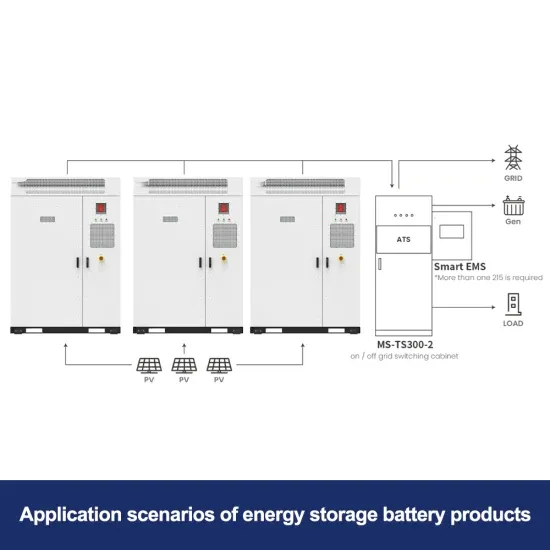
Photovoltaic energy storage lithium battery lead acid battery
This article provides a comprehensive, unbiased comparison of lithium and lead-acid solar PV batteries for 2025. You will discover how these technologies differ in performance, durability, cost, safety, environmental impact, and suitability for various users. . Lithium-ion and lead-acid batteries differ significantly in how they store and deliver energy. By the end, you will have the knowledge. . This article compares the main battery technologies used in residential PV storage systems—lead-acid, lithium-ion, and emerging alternatives—so you can make an informed decision.
[PDF Version]
-
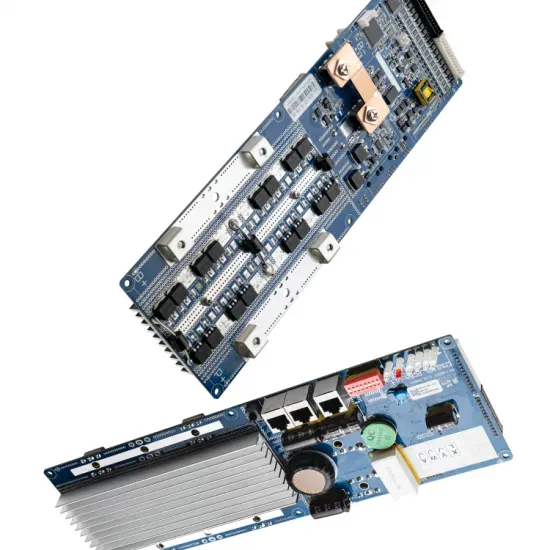
Apia Lead Acid Battery Energy Storage Container
72kWh, supports 1 & 3-phase HV inverters. Safe LiFePO4 cells with vehicle-grade BMS. Powerful Strong backup, IP65 for indoor/outdoor use. [pdf] A battery management system acts as the brain of an energy storage setup. Some illegal purchasershave not obtained hazardous waste business licenses and do not have the qualification for recycling. the acidis dumped at will, and there are major environmental safety hazards. dismantling processmost of the small. . Summary: Explore how Apia lithium battery energy storage systems are transforming renewable energy integration, industrial operations, and residential power management. This article dives into market trends, technical advantages, and real-world applications of these cutting-edge solutions. Battery storage is the fastest responding on, and it is used to stabilise those grids, as battery storage can transition. . Flexible 2.
[PDF Version]
-
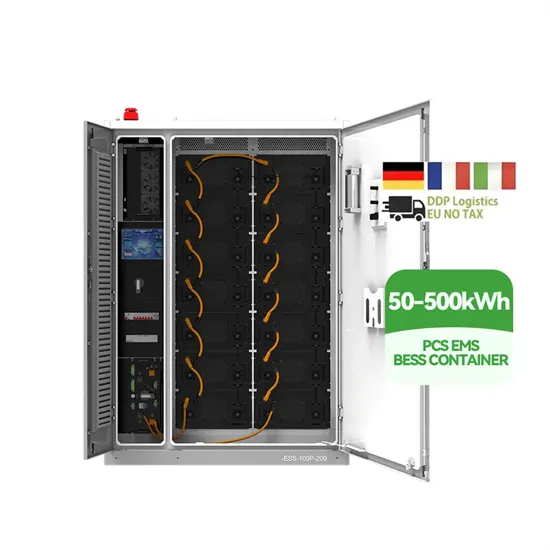
Solar energy storage cabinet lithium battery lead acid battery hybrid system
This paper describes method of design and control of a hybrid battery built with lead–acid and lithium-ion batteries. In the proposed hybrid, bidirectional interleaved DC/DC converter is integrated with lit.
[PDF Version]
FAQS about Solar energy storage cabinet lithium battery lead acid battery hybrid system
What is a battery hybrid power storage system?
By capitalizing on the strengths of supercapacitors and lithium-ion batteries, this battery hybrid power storage system provides an efficient and cost-effective solution for energy storage. 1. Introduction
Can a hybrid energy storage system improve battery life?
This will also have a negative impact on the battery life, increase the project cost and lead to pollute the environment. This study proposes a method to improve battery life: the hybrid energy storage system of super-capacitor and lead-acid battery is the key to solve these problems.
Can a battery hybrid power storage system optimize electric field output?
The experimental data analysis confirms the practical significance and economic benefits of the proposed scheme in optimizing electric field output. By capitalizing on the strengths of supercapacitors and lithium-ion batteries, this battery hybrid power storage system provides an efficient and cost-effective solution for energy storage. 1.
Can a lithium-ion battery be combined with a lead-acid battery?
The combination of these two types of batteries into a hybrid storage leads to a significant reduction of phenomena unfavorable for lead–acid battery and lower the cost of the storage compared to lithium-ion batteries.
-
12v lead-acid battery energy storage type
When charged, the battery's chemical energy is stored in the potential difference between metallic lead at the negative side and lead dioxide on the positive side. . Large-format lead–acid designs are widely used for storage in backup power supplies in telecommunications networks such as for cell sites, high-availability emergency power systems as used in hospitals, and stand-alone power systems. For these roles, modified versions of the standard cell may be. . The 12 volt lead acid battery has stood the test of time as one of the most trusted energy storage technologies. It powers millions of vehicles, safeguards critical systems through backup supplies, and plays a role in renewable energy storage. They require regular maintenance to ensure proper electrolyte levels, making them a dependable yet high-maintenance option. For instance, a 12V battery with a 500 Ah capacity can store about 6,000 watt-hours (Wh) or 6 kilowatt-hours (KWh) (calculated as 500 Ah x 12 V). It uses lead dioxide (PbO₂) as the positive active material, sponge lead (Pb) as the negative active material, and dilute sulfuric acid (H₂SO₄) as the. .
[PDF Version]
-
How to connect 2 12v solar panels to 12v battery
In this video, I break down three common parallel connection methods, their pros and cons, and explain the best way to do it for a balanced and long-lasting setup. 🛠️ Methods Covered: 🔹 Daisy Chaining (Using One Battery's Terminals as Main) – Simple, but causes imbalance. 🔹. . Connecting two solar panels to one battery with one charge controller is easy. Second, while connecting the batteries, it is critical to utilize short electrical wires that are the same length and have an appropriate cross-section.
[PDF Version]
-
What size inverter should I use for a 12v 20A battery
Your 12V20A battery provides: 12V × 20A = 240W of continuous power. But wait – inverters aren't 100% efficient. Most lose 10-15% energy during conversion. Real-World Example: A 240W load actually requires: 240W ÷ 0. 85 (85% efficiency) ≈ 282W inverter capacity. Pairing a right size capacity battery for an inverter can be a bit confusing for most the beginners So I have made it easy for you, use the calculator below to calculate the battery size for 200 watt, 300 watt, 500 watt, 1000 watt, 2000 watt, 3000 watt, 5000-watt inverter Failed to calculate field. . Selecting the right inverter ensures your devices run smoothly while protecting your battery. But wait – inverters aren't 100%. . Compared to the smaller, budget-friendly options like BESTEK 300W or 500W models, this inverter's ability to handle larger loads, its efficiency (over 91%), and its smart LCD display for real-time data give it a big edge. Factor in surge power needs but prioritize sustained loads. This includes every appliance, light, and piece of. .
[PDF Version]
 MENU