
-
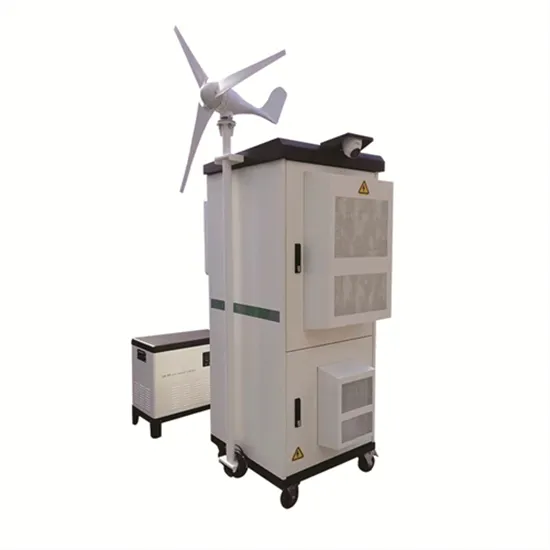
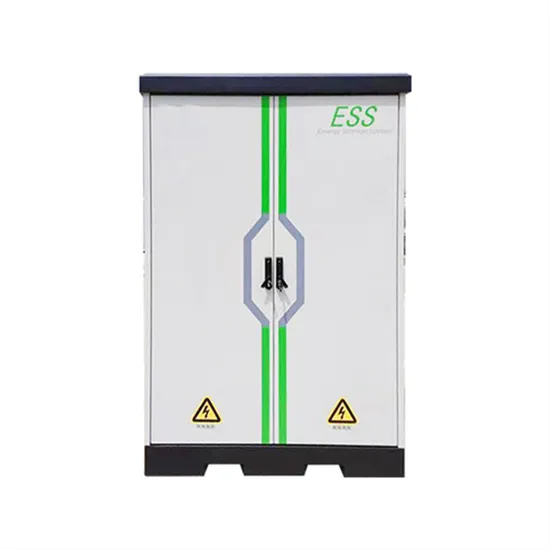
The solar container communication station battery solar container energy storage system ESS power is 6w
The system stores energy efficiently by integrating multiple subsystems, including LiFePO4 batteries, a battery management system, a gaseous fire suppression system, and an environmental control system. . The battery is a crucial component within the BESS; it stores the energy ready to be dispatched when needed. Relying on its cutting-edge clean power conversion technology, industry-leading battery technologyand grid forming technology, Sungrow focuses on integrated energy storage systemsolutions. Equation 1 serves as the base station load model:. What is a 5G power supply? The power supply equipment manages the distribution and conversion of electrical energy among. . ESS introduction & features 1 1. MPPT solar charger and/or grid-tie inverter 5 2.
[PDF Version]
-
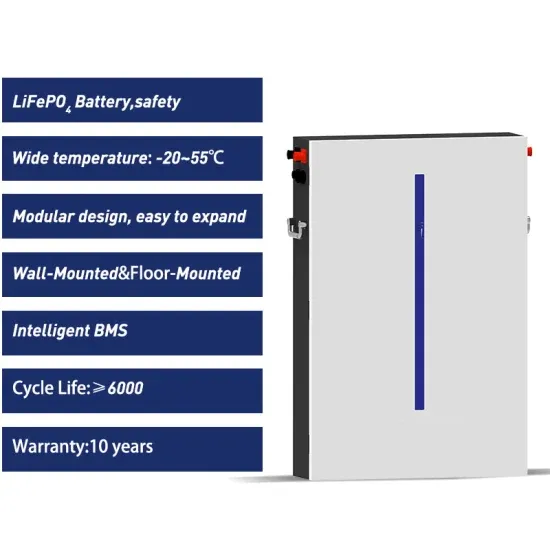
Advantages and disadvantages of mobile energy storage containerized grid-connected type and battery energy storage
Energy battery storage systems offer significant advantages in promoting renewable energy and ensuring grid stability, but they also face challenges such as high costs and technical limitations. . Battery storage is a technology that enables power system operators and utilities to store energy for later use. A battery energy storage system (BESS) is an electrochemical device that charges (or collects energy) from the grid or a power plant and then discharges that energy at a later time to. . Explore why ESS containers, like ACE Battery's C&I EnerCube, excel in modular energy storage with scalability, safety, and cost savings. Portability and versatility: Showcase the flex bility and adaptability of these self-contained able solutions for generating and storing solar power. As the world increasingly shifts towards sustainable energy. . The worldwide ESS market is predicted to need 585 GW of installed energy storage by 2030.
[PDF Version]
-
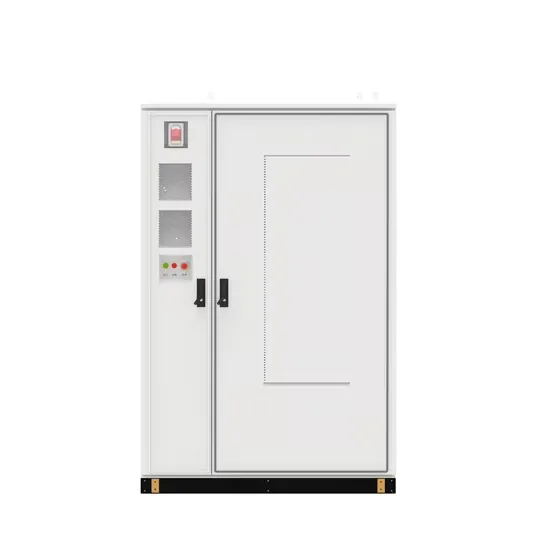
Energy storage container battery assembly sequence
The process begins with battery cell sorting and testing, moves through module assembly and welding, and culminates in complete container integration with all electrical, thermal, and safety systems installed and tested. . opment of a containerized energy storage system. This system is typically used for large-scale energy storage applications like renewable energ integration,grid stabilization,or backup power e considered to be one of the main technologies. Every traditional BESS is based on three main components:. . What are the three parts of battery pack manufacturing process? Battery Module: Manufacturing,Assembly and Test Process Flow. 6 TWh by 2030 [1], manufacturers are racing to optimize production. More importantly, they contribute toward a sustainab e and resilient future of cleaner energy. Battery Energy Storage System (BESS) containers are a cost-effective and modular. .
[PDF Version]
-
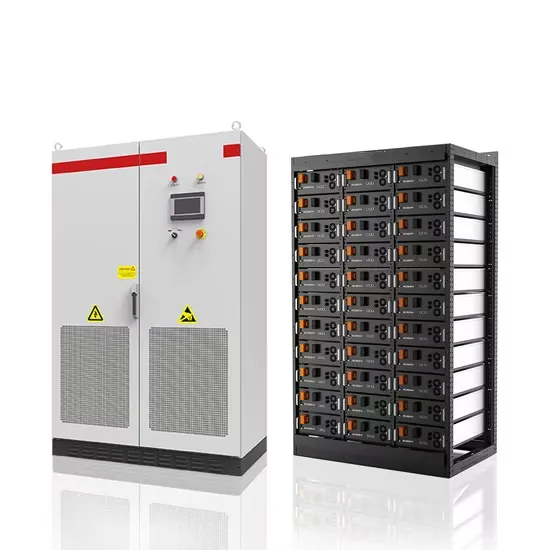
Solar container lithium battery energy storage equipment revenue
23, 2025 /PRNewswire/ -- The global containerized BESS market is projected to grow from USD 13. 82 billion by 2030, at a CAGR of 20. 9% according to a new report by MarketsandMarkets™. This robust growth is fueled by the increasing integration of renewable energy sources, the rising demand for grid flexibility, and the need for reliable backup. . DELRAY BEACH, Fla. The increasing adoption of solar and wind power creates a need for containerized BESS to balance intermittent generation, stabilize grid. . Container Battery Energy Storage System by Application (Utilities, Commercial, Industrial, Residential, Others), by Types (Lithium Battery, LiFePO4 Battery, Others), by North America (United States, Canada, Mexico), by South America (Brazil, Argentina, Rest of South America), by Europe (United. . Segments - by Product Type (20ft Container, 40ft Container, Customized Container), by Battery Type (Lithium Iron Phosphate, Lithium Nickel Manganese Cobalt Oxide, Others), by Application (Grid Energy Storage, Renewable Integration, Commercial and Industrial, Residential, Others), by End-User. .
[PDF Version]
-
Andor EK energy storage solar container lithium battery
72kWh, supports 1 & 3-phase HV inverters. Safe LiFePO4 cells with vehicle-grade BMS. Powerful Strong backup, IP65 for indoor/outdoor use. [pdf]. In an era where renewable energy storage solutions make or break our transition to sustainable power, the Andor high-performance energy storage battery stands out as a game-changer. Designed to meet the rigorous demands of modern energy systems, these batteries bridge the gap between intermittent. . We offer energy storage solutions, including battery modules, portable power supplies, and systems for residential, commercial, industrial, and utility-scale applications. Enter Andor Energy Storage Battery, the secret sauce turning intermittent sunlight into 24/7 power solutions. Storage is key to balancing electricity supply and demand, while also supporting the grid. [pdf] [FAQS about Oman 2025. . Will Timor-Leste's first solar power project integrate with a battery energy storage system?In a landmark moment for Timor-Leste's energy future, a Power Purchase Agreement (PPA) has been officially signed for the country's first-ever solar power project integrated with a Battery Energy Storage. . Flexible 2.
[PDF Version]
-
Moscow solar energy storage solar container lithium battery
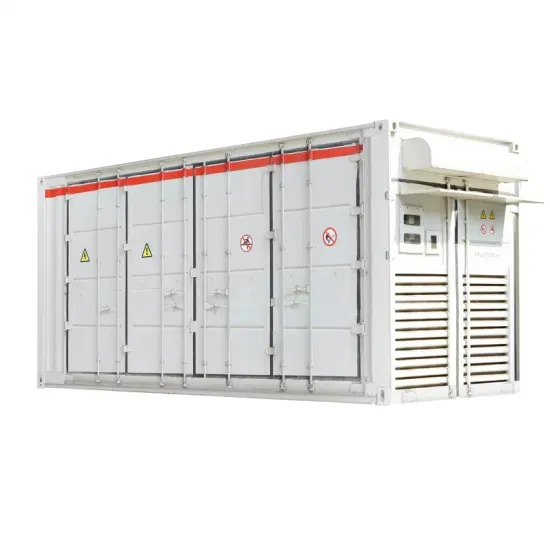
Over 40% of Moscow"s new solar projects now integrate lithium-based storage to maximize ROI. High Energy Density: Store more power in less space—ideal for urban installations. This article covers key projects, technological advancements, and Moscow's role in Russia's clean energy transition. Why Moscow. . Enter lithium batteries —lightweight, efficient, and perfect for bridging energy gaps during cloudy days or peak demand. This article explores their core functions, real-world applications, and how companies like EK SOLAR deliver tailored solutions for. . They are mobile facilities which house solar panels, inverters, and storage systems in a mobile box, enabling adaptive power supply, especially in remote areas. Instant utilization and energy output due to battery electrochemical technology and the technology of electricity production using gas-piston units can be combined into a single most efficient. . Major projects now deploy clusters of 20+ containers creating storage farms with 100+MWh capacity at costs below $280/kWh. Next-generation thermal management systems maintain optimal. .
[PDF Version]
 MENU