
-
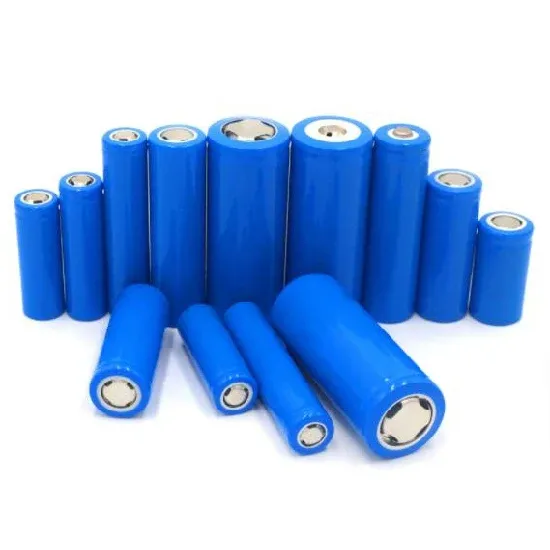
What are the uses of solar energy storage cabinet lithium battery energy storage stations
A solar battery energy storage system can offer immediate and long-term value for both residential and commercial users. With the right design and installation, it helps reduce utility bills, provide backup power, and increase your use of renewable energy. The Role of Cabinets in Energy Storage Systems Cabinets play a crucial role in energy storage systems. . Central to this infrastructure are battery storage cabinets, which play a pivotal role in housing and safeguarding lithium-ion batteries. These cabinets are not merely enclosures; they are engineered systems designed to ensure optimal performance, safety, and longevity of energy storage solutions. This stored energy can then be used when sunlight is not available, such as during nighttime or cloudy days. This article delves into the science behind lithium-ion batteries, their advantages over traditional storage solutions, and key considerations for optimizing. . A battery cabinet system is an integrated assembly of batteries enclosed in a protective cabinet, designed for various applications, including peak shaving, backup power, power quality improvement, and utility-scale energy management.
[PDF Version]
-
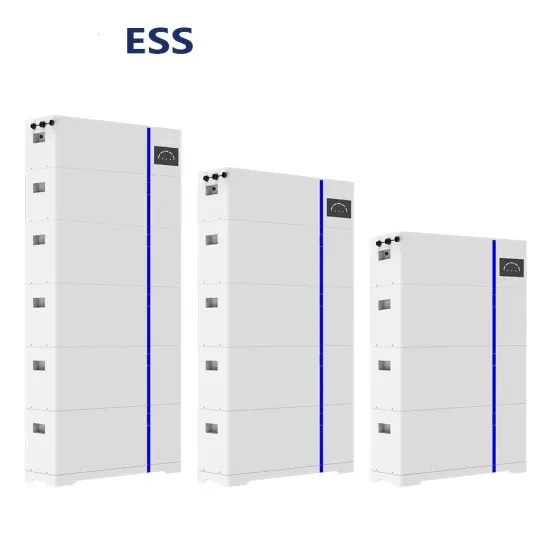
How much does a british cylindrical solar energy storage cabinet lithium battery cost
$280 - $580 per kWh (installed cost), though of course this will vary from region to region depending on economic levels. For large containerized systems (e., 100 kWh or more), the cost can drop to $180 - $300 per kWh. However, a more precise way to assess their value is by using the £/kWh metric, which stands for price per kilowatt-hour of storage. The more affordable options often. . But with battery prices varying from £4,000 for an entry-level 4kWh right up to a whopping £12,000 for a 16kWh model, choosing the right system for your home is vital. Generally, if it is installed simultaneously. . Wondering how much a modern energy storage charging cabinet costs? This comprehensive guide breaks down pricing factors, industry benchmarks, and emerging trends for commercial and industrial buyers. Whether you're planning a solar integration project or upgrading EV infrastructure, understanding. .
[PDF Version]
-
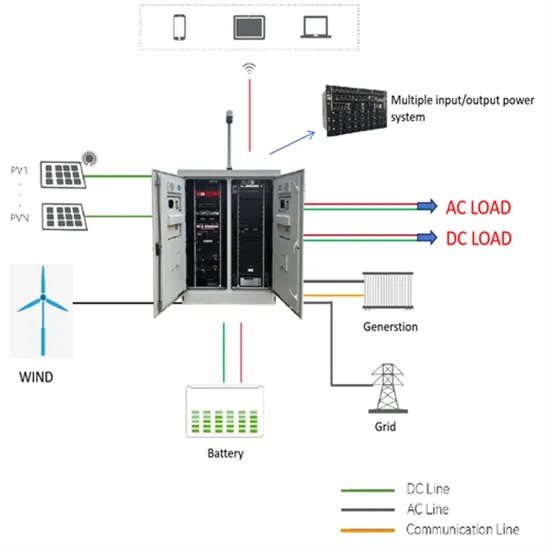
Solar battery cabinet lithium battery pack generally consists of several components
Lithium-ion battery packs are complex assemblies that include cells, a battery management system (BMS), passive components, an enclosure, and a thermal management system. They power a vast array of applications, from consumer electronics to electric vehicles, and require careful engineering to. . The anode inside a lithium ion battery does some pretty important stuff during charging and discharging cycles, mostly made from stuff like graphite or silicon these days. Graphite remains the go to material for most anodes because it works well electrochemically and doesn't cost too much money. Behind its compact. . A battery pack typically consists of several key components, and the exact number can vary depending on the type and design of the pack. As interest in energy independence and off-grid solar systems grows, understanding the function of each part becomes crucial. This knowledge empowers you to make informed decisions. .
[PDF Version]
-
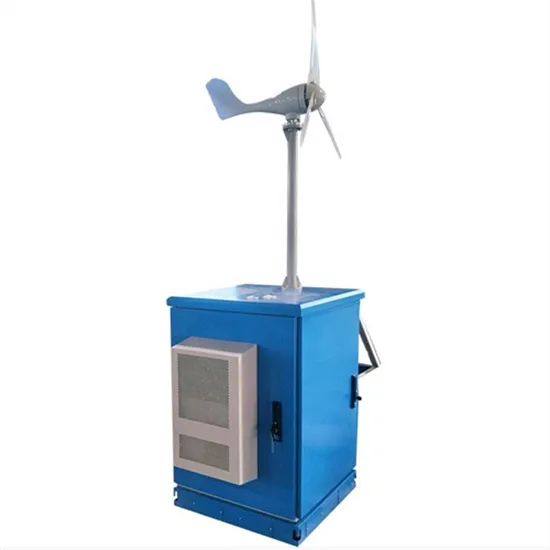
Oslo solar energy storage cabinet lithium battery energy storage cabinet price inquiry
Here's a breakdown based on technology: Lithium-Ion Batteries: $500 to $700 per kWh Lead-Acid Batteries: $200 to $400 per kWh Flow Batteries: $600 to $750 per kWh. Here's a breakdown based on technology: Lithium-Ion Batteries: $500 to $700 per kWh Lead-Acid Batteries: $200 to $400 per kWh Flow Batteries: $600 to $750 per kWh. Let's face it—when you're shopping for large energy storage cabinets, the Oslo factory price isn't just a number. It's the difference between a project that's financially viable and one that stays stuck on the drawing board. They're. . The LZY solar battery storage cabinet is a tailor-made energy storage device for storing electricity generated through solar systems. Constructed with long-lasting materials and sophisticated technologies inside. . opts the latest Home Energy Storage S ion batteries, the most common type of battery for solar storage. The cost f lithium is infl eed to be sold at to cover. You'll want a lithium-ion battery rather than lead-acid, as they are much more efficient and overall, more cost effective. oslo commercial energy storage cabinet cost.
[PDF Version]
-
Haiti cylindrical solar energy storage cabinet lithium battery cycle life
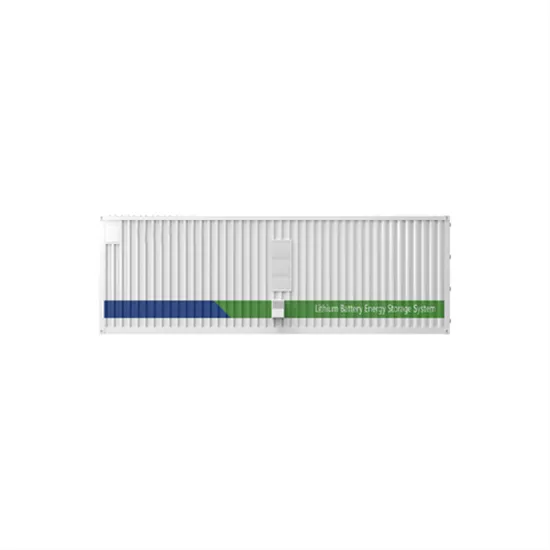
But like any technology, batteries degrade over time—typically losing 20-30% capacity within 3-5 years. Proactive replacement ensures uninterrupted power during crises. "A 2023 study showed that timely battery replacements reduce emergency repair costs by 65% in Caribbean. . Summary: This article explores the critical role of battery replacement in Haiti's energy storage systems, offering actionable insights on cost-effective solutions, maintenance best practices, and emerging trends. Discover how optimized battery upgrades can stabilize power supply in Haiti's chal. . The project involves the construction and operation of a solar power plant (12 MW) and an energy storage system (10 MWh) to supply electricity to the Caracol industrial park for a period of five years. The solution adopts new energy (wind and diesel energy storage) technology to. . This article will introduce in detail how to design an energy storage cabinet device, and focus on how to integrate key components such as PCS (power conversion system), EMS (energy management system), lithium battery, BMS (battery management system), STS (static transfer switch), PCC (electrical. . Major projects now deploy clusters of 20+ containers creating storage farms with 100+MWh capacity at costs below $280/kWh.
[PDF Version]
-
Solar battery cabinet safety measures
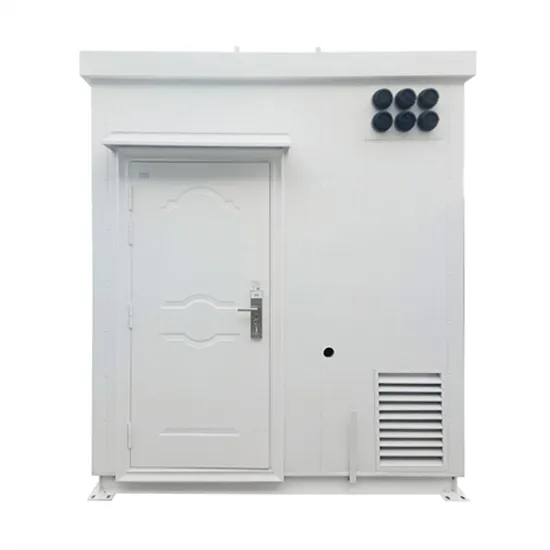
This includes adhering to safe operating temperatures, voltage ranges, state of charge limits and permissible current levels. A robust battery management system (BMS) that includes comprehensive battery monitoring and operational management is vital. The system's output may be able to be placed into an electrically safe work condition (ESWC), however there is essentially no way to place an operating battery or cell into an ESWC. . For families relying on backup power during blackouts or storing solar energy for daily use, a safe storage system is essential. In this article, you will know the most important safety standards. You'll learn about the common concerns and how modern technology addresses them, giving you the peace of mind to embrace renewable energy fully. This guide explores fire dangers, new safety tools like smart BMS and liquid cooling, and. . Whether you're using lithium-ion or lead-acid batteries, the right enclosure does more than just hold your system together—it protects it from weather, overheating, unauthorized access, and even fire risks.
[PDF Version]
 MENU