
-
Nicaragua communication base station flow battery service tax rate
The IVA tariff is 15% of the value of a product or of an activity carried out; except the export of goods of the national production and the services provided abroad, which tax rate is of 0%. The law establishes a list of goods and services that are exempt from the Value Added. . VAT is imposed at a 15% rate on the sale of goods, rendering of services, grant of use of assets, and import of goods. VAT exemptions are available for certain items, including medicine, real estate transfer, sale of used goods, basic food. . Find tax rates and tables, the latest tax news, and information on double taxation treaties and withholding tax. The ICAEW Library subscribes to IBFD, a specialist cross-border tax database. Deductions to the rental income may apply thereby so the tax rates indicated are based off of taxable rental income only, and not necessarily the full rental income. . Nicaragua applies different VAT (Value Added Tax) rates depending on the type of product or service. The table below provides a clear overview of these rates, helping residents and visitors understand how tax is applied across various categories. The taxation framework is primarily territorial, taxing income generated within Nicaraguan borders. Rich explains that pu subscribe from future marketing communications. Our services ar ze was estimated at 3.
[PDF Version]
-
Which Jamaican communication base station flow battery is more common
Which battery is best for telecom base station backup power? Among various battery technologies,Lithium Iron Phosphate(LiFePO4) batteries stand out as the ideal choice for telecom base station backup power due to their high safety,long lifespan,and excellent thermal stability. . Summary: Discover how advanced energy storage batteries ensure uninterrupted power for Basseterre's telecom base stations. This guide explores industry trends, technical specifications, and real-world applications of cutting-edge battery brands in Caribbean infrastructure projects. This is a key area of ongoing innovation and investment. The. . Their reliability and affordability make them a popular choice for many network operators. It consists of multiple components, including: Battery Modules: Store energy using lithium-ion, lead-acid, or other battery chemistries.
[PDF Version]
-
Communication base station flow battery photovoltaic energy
The communication base station installs solar panels outdoors, and adds MPPT solar controllers and other equipment in the computer room. The power generated by solar energy is used by the DC load of the base station computer room, and the insufficient power is supplemented. . Summary: This article explores how integrating photovoltaic (PV) systems with energy storage can revolutionize power supply for communication base stations. Learn about cost savings, reliability improvements, and real-world case studies driving adoption in telecom infrastructure. In this study, the idle space of the. Lithium-ion cells are the primary energy storage units, chosen for their high energy density, long. . Communication base stations consume significant power daily, especially in remote areas with limited access to traditional electricity grids. Here's where solar energy systems come into play. By installing PV and solar setups, companies can reduce grid dependency and ensure a more stable power. .
[PDF Version]
-
Somaliland communication base station battery price
Spot prices for LFP cells reached $97/kWh in 2023, a 13% year-on-year decline, while installation costs for base station battery systems fell below $400/kW for the first time. Cost reductions from battery manufacturing scale have been decisive. . Proven performance in the toughest conditions, combining durability, reliability, and safety, the ANR26650 cell offers an excellent combination of price-performance. [pdf] Find 2025 quality & cheap battery storage for sale. The batteries find applications in three major fields, including electric vehicles, portable electric devices, and large-scale power. . When natural disasters cut off power grids, when extreme weather threatens power supply safety, our communication backup power system with intelligent charge/discharge management and military-grade protection becomes the "second lifeline" for base station equipment. These batteries offer optimum energy storage while maintaining environment friendliness. . Communication Base Station Battery by Application (Integrated Base Station, Distributed Base Station), by Types (Lithium Ion Battery, Lithium Iron Phosphate Battery, NiMH Battery, Others), by North America (United States, Canada, Mexico), by South America (Brazil, Argentina, Rest of South America). .
[PDF Version]
-
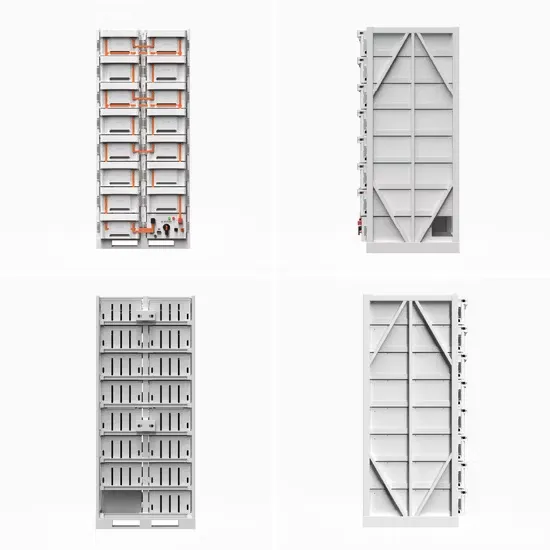
Domestic communication base station battery energy storage system company
The market features numerous leading companies that specialize in energy storage solutions designed specifically for communication base stations. Some notable firms include Tesla, LG Chem, and Saft. . Energy storage systems can utilize renewable energy sources such as solar power for charging and release stored energy during peak demand periods, improving energy efficiency. Users can use the energy storage system to discharge during load peak periods and charge from the grid during low load periods, reducing peak load demand and saving electricity. . When natural disasters cut off power grids, when extreme weather threatens power supply safety, our communication backup power system with intelligent charge/discharge management and military-grade protection becomes the "second lifeline" for base station equipment.
[PDF Version]
-
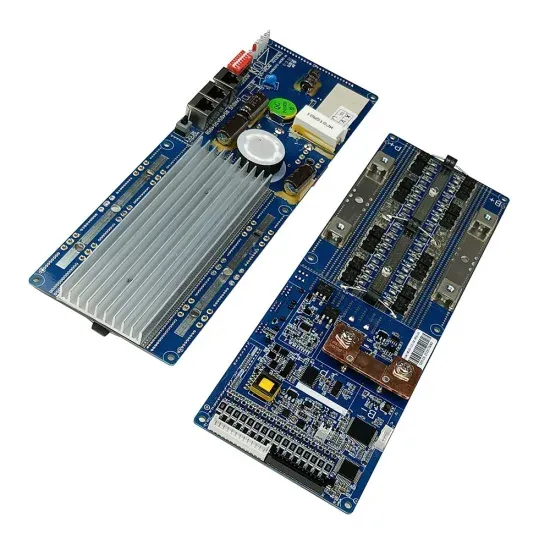
What to do if the battery energy storage system of the communication base station does not work
Users can use the energy storage system to discharge during load peak periods and charge from the grid during low load periods, reducing peak load demand and saving electricity costs, thus achieving the purpose of improving load characteristics and participating in system peak. . Users can use the energy storage system to discharge during load peak periods and charge from the grid during low load periods, reducing peak load demand and saving electricity costs, thus achieving the purpose of improving load characteristics and participating in system peak. . Battery Energy Storage Systems, or BESS, help stabilize electrical grids by providing steady power flow despite fluctuations from inconsistent generation of renewable energy sources and other disruptions. While BESS technology is designed to bolster grid reliability, lithium battery fires at some. . In such cases, energy storage systems play a vital role, ensuring the base stations remain unaffected by external power disruptions and maintain stable and efficient communication. Remote base stations often rely on independent power systems. Fuel generators are unsuitable for long-term use without. . As wireless communication continues to expand, the need for reliable, efficient energy solutions for base stations becomes critical. They can store energy from various sources, including renewable energy, and release it when needed.
[PDF Version]
 MENU