
-
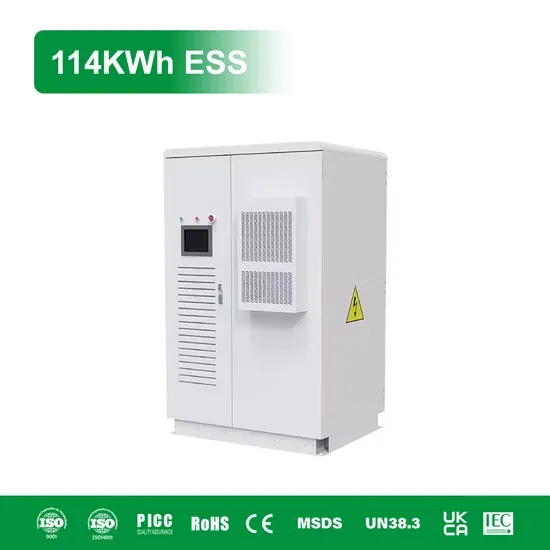
Nepal s industrial and commercial solar energy storage
Summary: Nepal is rapidly advancing its energy storage initiatives to address power shortages and integrate renewable energy. This article explores the country's progress, challenges, and innovative solutions like solar-storage hybrids and microgrids. Missed potential of solar energy For decades, Nepal has focused almost exclusively on hydropower development to meet its energy needs. Until. . Huawei Digital Power Nepal, in collaboration with the Confederation of Nepalese Industries (CNI), organized a dialogue on solar photovoltaic (PV) and energy storage sustainability. The event took place at the Huawei Exhibition Center in Hattisar, Kathmandu, bringing together over 80 key. . Solar PV has specific advantages as an energy source: once installed, its operation generates no pollution and no greenhouse gas emissions, it shows simple scalability in respect of power needs and silicon has large availability in the Earth's crust. Learn how these projects are reshaping Nepal's. .
[PDF Version]
-
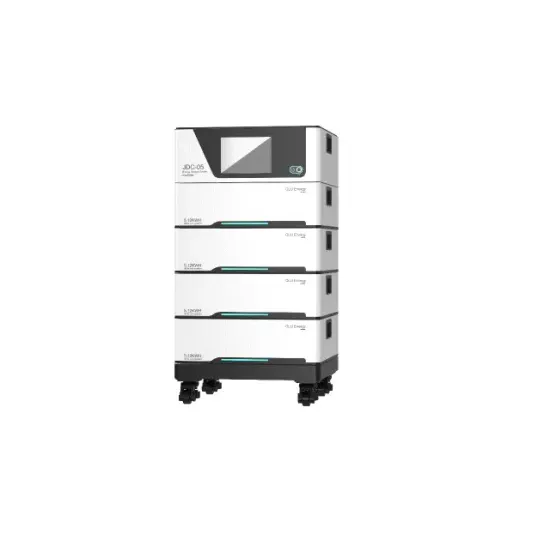
How much does it cost to set up a family solar container energy storage system to generate 30 kWh of electricity
Each system, including 5 kW panels, a 10 kWh lithium battery bank, and real-time remote monitoring, cost around USD $25,000, including shipping and installation. Let's talk about actual prices. Here are standard ballpark estimates (in USD):. The final cost of a solar container system is more than putting panels in a box. This is what you're really paying for: Solar panels: Mono or poly crystalline material quality, wattage size, and efficiency influence cost. Battery storage: Lithium-ion vs. Read our guide to determine whether this expense is worth it for your home. Clicking “Get Your Estimate” submits your data to All Star Pros, which will process your data in accordance with the All Star Pros Privacy Policy. NLR's PV cost benchmarking work uses a bottom-up. . For solar installers and high-energy businesses, deploying flexible container energy storage system (for remote/fast-track projects), leveraging durable containerized battery energy storage system (for climate resilience), and understanding the cost of battery energy storage system (for budget. .
[PDF Version]
-
How much does a set of solar energy storage equipment cost
A solar battery storage system costs between $10,000 and $20,000. With a 30% tax credit, a 12. Battery installation adds an extra. . This article will explore the cost of solar battery energy storage systems this year, analyze the key factors that affect pricing, and compare the top products currently on the market - we will introduce the Pytes E-Box 48100R developed and produced by leading solar batteries manufacturer Pytes. As. . Each year, the U. Department of Energy (DOE) Solar Energy Technologies Office (SETO) and its national laboratory partners analyze cost data for U. These benchmarks help measure progress toward goals for reducing solar electricity costs. . Solar energy storage systems are battery-based or alternative technologies that store excess electricity generated by solar panels for later use during nighttime, cloudy periods, or power outages. With so many options available, it can feel overwhelming to figure out what fits your budget and energy needs. NLR's PV cost benchmarking work uses a bottom-up. .
[PDF Version]
-
Full set of solar container energy storage system
Each HVAC and lighting equipped storage container comes fully equipped with everything you need: Inverters, AC and DC Distribution Boxes, and renewable deep cycle lead acid batteries. Multiple modules can run in parallel to increase total output capacity. . SolaraBox Mobile Solar Container brings green energy wherever you need it. Built for. . What is LZY's mobile solar container? This is the product of combining collapsible solar panels with a reinforced shipping container to provide a mobile solar power system for off-grid or remote locations. Unlike standard solar panel containers, LZY's mobile unit features a retractable solar panel. . Off-grid solar storage systems are leading this shift, delivering reliable and clean power to locations worldwide.
[PDF Version]
-
How to install a generator set with solar energy
Learn how to install a solar generator at home with this step-by-step guide. Get expert tips on setup, wiring, safety, and maximizing solar energy efficiency. Properly wiring these systems ensures your home. . You might be wondering, though: How do you install a generator alongside your existing solar panels without disrupting the harmony of your setup? In this guide, you'll discover the step-by-step process to seamlessly integrate a generator with your solar panels. Selecting the appropriate equipment. Integrating a transfer switch securely to ensure seamless operation. Unlike conventional generators, which run on gasoline or diesel, solar generators operate silently, require minimal maintenance, and provide long-term cost savings. Whether you're a DIY enthusiast or looking to understand the installation process better, this guide has got you covered. If you're ready for energy independence, considerEcoFlow. We have everything you need, from. .
[PDF Version]
-
Install hybrid energy for solar telecom integrated cabinets for users
You use solar PV with energy storage to create a resilient power supply for telecom cabinets. This hybrid system reduces downtime by 25%. You cut generator use by over 90%. You maintain power during cloudy weather or at night, thanks to stored. . You get the highest efficiency for telecom cabinet power when you use a hybrid Grid+PV+Storage system. Telecom Power Systems now use renewables like solar and wind at a global adoption rate of 68%. . use of renewable energy. The solution is a hybrid approach that minimises the use of diesel generators, used only in case of emergency, while maximizes the use of solar power and batteries, boosting the performance stability and financial return required to op frastructure to go down. Project. . In telecom—where reliability is essential—hybrid power systems are emerging as a transformative force, revolutionizing how we generate and consume power, specifically in remote and off-grid areas where it is crucial to maintain connectivity. Equipped with a robust 15kW hybrid inverter and 35kWh rack-mounted lithium-ion batteries, the system is seamlessly housed in an IP55-rated cabinet for enhanced. . The Hybrid Solar Power System for Outdoor Cabinets combines solar photovoltaic panels with battery energy storage and optional backup power sources to provide reliable, continuous power for remote outdoor equipment enclosures.
[PDF Version]
 MENU