
-
10kWh lithium phosphate battery for home energy storage in Yemen
This comprehensive guide examines the best 10 kWh battery systems available, compares costs from budget-friendly options starting at $990 to premium systems reaching $18,000, and provides expert insights to help you make the right choice for your home energy needs. . A 10 kWh battery represents the sweet spot for residential energy storage, providing enough power to keep an average home running for 8-10 hours during outages while remaining cost-effective for daily solar energy storage. As energy independence becomes increasingly important in 2025, understanding. . Residential ESS Power Storage Wall Lifepo4 10Kwh Lithium Battery Solar Energy Storage System - Tesla Powerwall Replacement This battery can be combined and add up to 16 batteries with a total 160 KwH Power. Designed for residential, commercial, and industrial applications, this advanced energy. . Advanced lithium iron phosphate technology, first class battery control system made by Contemporary Amperex Technology, the world's biggest maker of electric-vehicle batteries who specializes in the manufacturing of lithium-ion batteries for electric vehicles and energy storage systems, as well as. . Max. 16pcs in parallel (162kWh), lifepo4 solar battery, 10. A high round-trip efficiency (above 95%) and wide operating. .
[PDF Version]
-
Home appliance energy storage solar container lithium battery
Home energy storage systems are designed to store excess energy generated from renewable sources like solar panels. Lithium-ion batteries, particularly the LFP type, are ideal for residential applications due to their: High safety standards. Technically, it performs three core functions within the home's power ecosystem: Most households generate solar power when they need it least—midday—while consumption peaks in the evening. Another benefit of solar batteries is maximizing your return on solar investments. These advanced systems capture excess solar power during peak production hours and deliver it when you need it most, slashing utility bills while. . As solar energy becomes increasingly popular among homeowners, the need for efficient and reliable battery storage systems has grown significantly.
[PDF Version]
-
200kW solar container lithium battery home energy storage
This all-in-one system combines energy storage, inverter, cooling, and smart management in an IP54-rated cabinet. It supports grid dispatch, peak shaving, and renewable integration while withstanding harsh outdoor conditions—perfect for C&I energy storage. These systems, which use advanced lithium-ion batteries, offer a reliable method for storing and managing electrical energy. Perfect for hospitals (backup power). . Our 200kWh battery bank is designed to meet the energy-demanding requirements of commercial and industrial areas. It integrates advanced components for maximum performance and safety, including: EMS (Energy Management System): The intelligent EMS monitors and optimizes energy flow, balancing supply. . Unlock the potential of renewable energy with the state-of-the-art 100KW, 200KW, 300KW, 400KW, and 500KW Off-Grid Solar Power LiFePO4 Lithium Battery Solutions from Yichun Enten Science and Technology Co Ltd.
[PDF Version]
-
Heat dissipation of solar energy storage cabinet lithium battery station cabinet
How does the energy storage battery cabinet dissipate heat? The energy storage battery cabinet dissipates heat primarily through 1. active cooling methods, and 4. Each of these elements plays a critical role in maintaining. . ir may be cool enough to allow the enclosure to dissipate heat. H chemical form and conve ion battery storage has from combustible materials, the better. Should you have multiple containers of stored batt one case,4KW/PCS(23kg) *2 Backup Time base on Battery Quantity. A t common type used in both. . In this paper, multiple high rate discharge lithium-ion batteries are applied to the rectangular battery Feb 1, 2025 · In this section, the lithium ternary battery energy storage cabinet under the conditions of fixed air supply temperature and 2C discharge rate, and four inlet air flow rates of Jan. . As global lithium-ion deployments surge past 1.
[PDF Version]
-
Armenia Energy Storage Lithium Battery Recommended Company
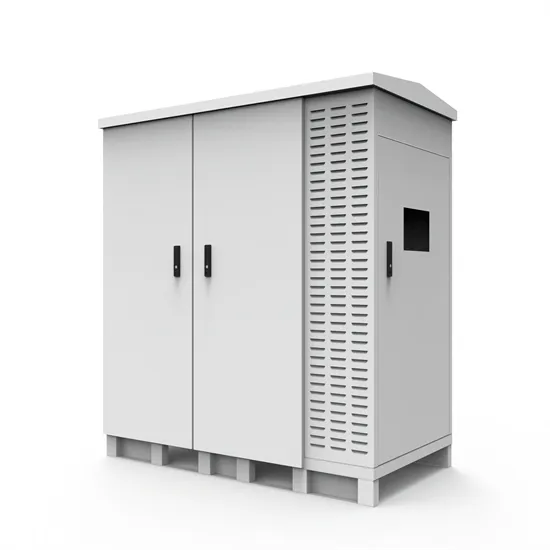
6Wresearch actively monitors the Armenia Lithium-Ion Battery Energy Storage System Market and publishes its comprehensive annual report, highlighting emerging trends, growth drivers, revenue analysis, and forecast outlook. . A 25-35 MW-4h BESS offers a cost-effective solution to enhance system resilience Armenia imports 81% of its primary energy supply and 100% of its fossil and nuclear fuels. These imports stem mainly from Russia and to a lesser extent also from Iran Expansion in cross-border transmission capacity is. . As Armenia works towards the Government's ambitious renewable energy targets and the share of variable renewable generation increases, the country might need to install battery storage systems to ensure the reliable and smooth operation of its power system While the need for battery storage is. . With factories expanding and renewable energy projects multiplying, lithium battery storage systems have become critical for stabilizing power supply, reducing operational costs, and supporting Armenia's green transition. This surge aligns with the government"s target to achieve 30% renewable energy integration by 2025. Three primary factors fuel this development: "Energy storage. . The Ayg-1 solar plant near Aragats mountain recently added 20MW/80MWh storage—enough to power 8,000 homes during peak hours. Farmers now joke they'll name their next cow "Megapack". Armenian engineers are geeking out. .
[PDF Version]
-
Market size of lithium iron battery energy storage
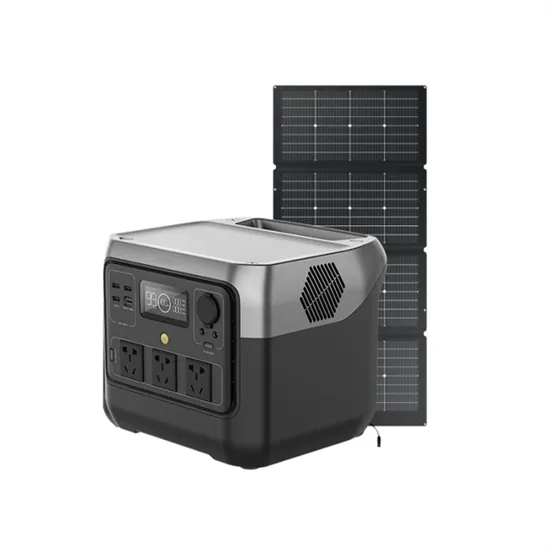
The Battery Energy Storage System (BESS) Market, valued at USD 50. 96B by 2030, growing at a 15. Rapid cost declines in lithium-ion cells, supportive procurement mandates, and rising. . The lithium-ion battery market is projected to grow from USD 87. 8% market share, while cathode will lead the component segment with a 36. Market growth is driven by increasing adoption of electric vehicles, rising deployment of renewable energy and. .
[PDF Version]
 MENU