
-
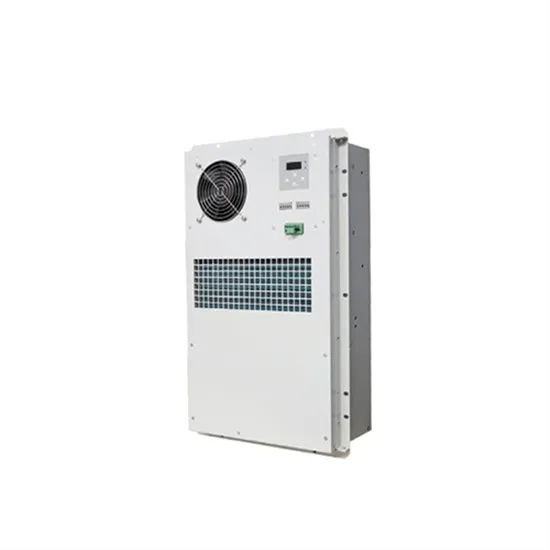
Tanzania solar Power Plant Energy Storage Solution
This article explores how solar energy storage systems address energy gaps, support economic growth, and integrate with Tanzania's unique infrastructure needs – all while highlighting actionable insights for businesses and governments. . AS Tanzania intensifies its transition to clean and renewable energy, solar energy storage systems are emerging as a crucial component in ensuring reliable and sustainable electricity access across the country. With over 2,800 hours of annual sunshine, Tanzania holds. . At Greenlink-ReGen, we specialize in cutting-edge Battery Energy Storage Systems (BESS) that optimize solar PV performance, minimize generator reliance, and stabilize power supply in challenging environments. Work at Tanzania's first wind farm has finally reached completion.
[PDF Version]
-
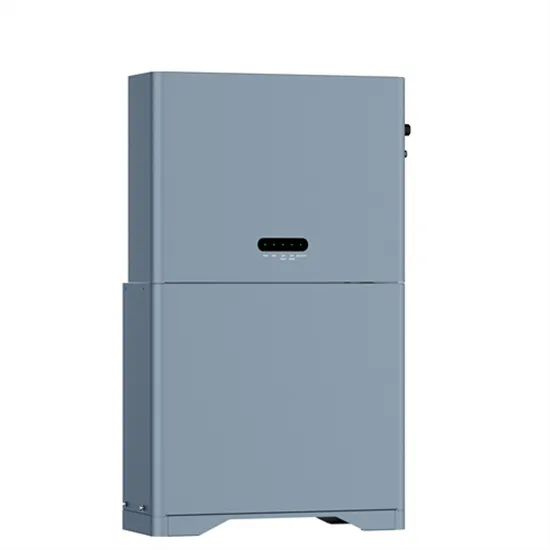
General solution for solar energy storage cabinet lithium battery energy storage
While lithium-ion technology has a higher upfront cost than lead-acid, its superior cycle life, efficiency, and maintenance profile make it the most cost-effective solution for most lithium ion batteries solar energy storage applications over a 10-year period. . Lithium batteries, as one of the most mature energy storage technologies, combined with cabinets and solar systems, provide efficient energy solutions for various application scenarios. They provide a controlled environment that mitigates risks associated with thermal runaway, electrical faults, and environmental factors. Lithium-ion batteries, with their superior performance characteristics, have emerged as the cornerstone technology for solar energy storage. The all-in-one air-cooled ESS cabinet integrates long-life battery, efficient balancing BMS, high-performance PCS, active safety system, smart distribution and HVAC into one. . GSL ENERGY offers a diverse range of commercial battery storage systems engineered to meet the unique power demands of businesses, public facilities, and energy service providers.
[PDF Version]
-
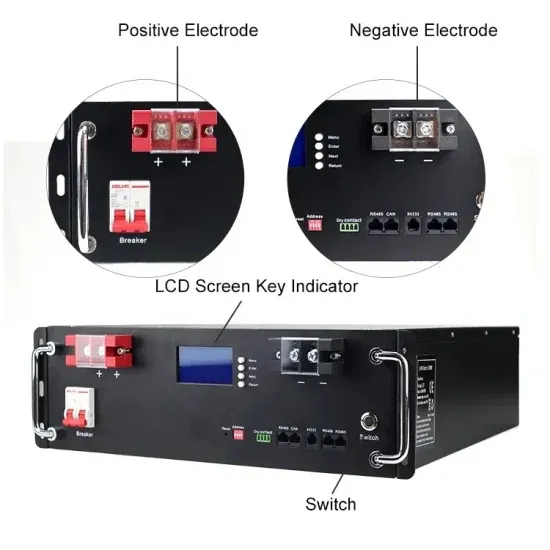
Solar container energy storage system efficiency comparison
This article systematically evaluates and compares these six solar energy storage methods to determine which technology offers the most effective balance of efficiency, reliability, scalability and environmental sustainability for global applications. . This report describes development of an effort to assess Battery Energy Storage System (BESS) performance that the U. The. . Energy storage technologies comparison is essential for anyone looking to steer the complex world of modern energy solutions. This article breaks down how lead-acid batteries, pumped-hydro storage, and flywheels stack up against BESS containers in terms of energy density (spoiler: BESS. . Unlike conventional diesel generators—notorious for noise, pollution, and high operating costs— containerized energy storage systems (ESS) offer a quiet, emission-free, and cost-efficient alternative.
[PDF Version]
-
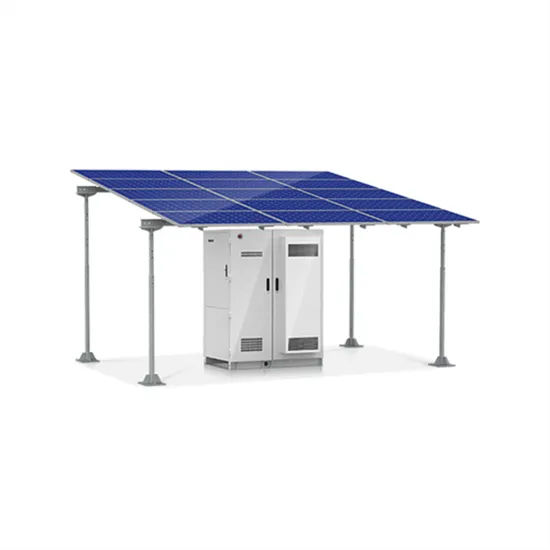
Microgrid solar energy storage cabinet system voltage
It boasts a battery voltage of 832V, a grid – connected output of 330kW, and a maximum PV input of 4750A. . A heavy – duty microgrid cabinet built to meet extreme power demands. It supports remote upgrades, arbitrary parallel combinations, and has IP54 ruggedness. Perfect for large solar farms. . The goal of the DOE Energy Storage Program is to develop advanced energy storage technologies, systems and power conversion systems in collaboration with industry, academia, and government institutions that will increase the reliability, performance, and sustainability of electricity generation and. . such as small-scale monitoring : power module, and energy management battery, refrigeration, in one. It fire commercial and industrial energy storage, photovoltaic diesel storage, is suitable protection, for microgrid dynamic scenarios functions, photovoltaic storage and charging. Equipped with a 3 kW air-cooling system to maintain ideal operating temperature while keeping noise levels below 78 dB, ensuring quiet and. . Every efort has been made in the preparation of this document to ensure accuracy of the contents, but all statements, information, and recommendations in this document do not constitute a warranty of any kind, express or implied.
[PDF Version]
-
Price per unit of 2mwh solar energy storage cabinet
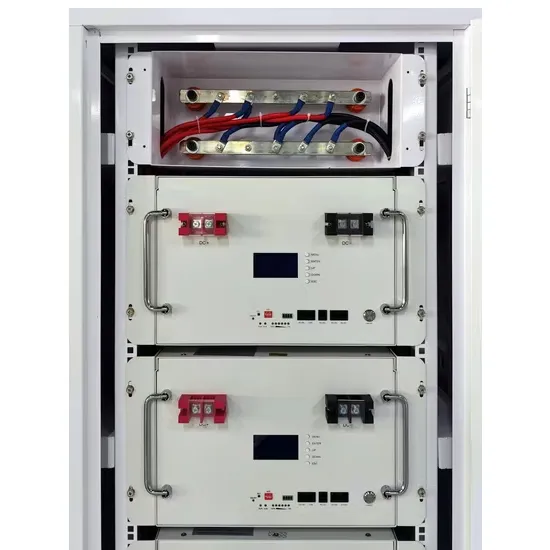
As of 2024, the installed cost of a 2MWh battery storage system for solar ranges from $400,000 to $1. 2 million, depending on technology, location, and labor rates. Containerized LFP systems typically cost $250–$400 per kWh, so a 2MWh unit falls around $500,000–$800,000. . Flexible, Scalable Design For Efficient 2000kWh 2MWh Energy Storage System. With 1MW Off Grid Solar System For A Factory, Resort, or Town. What is a Turnkey Package of 2MWh Energy Storage System+1MW Solar Panels? A complete 2MWh energy storage system + 1MW solar turnkey. . Wondering how much a modern energy storage charging cabinet costs? This comprehensive guide breaks down pricing factors, industry benchmarks, and emerging trends for commercial and industrial buyers. 86 per watt-hour (Wh) for utility-scale projects, while residential systems hover around $1,000–$1,500 per kWh [4] [6] [9]. But wait—why the wild variation? Let's dive deeper. The Big-Ticket Items:. . Polinovel 2MWH commercial energy storage system (ESS) is tailored for high-capacity power storage, ideal for large-scale renewable energy generation, PV self-consumption, off-grid applications, peak shaving, and emergency backup power.
[PDF Version]
-
Liquid flow battery energy storage and solar container lithium battery energy storage
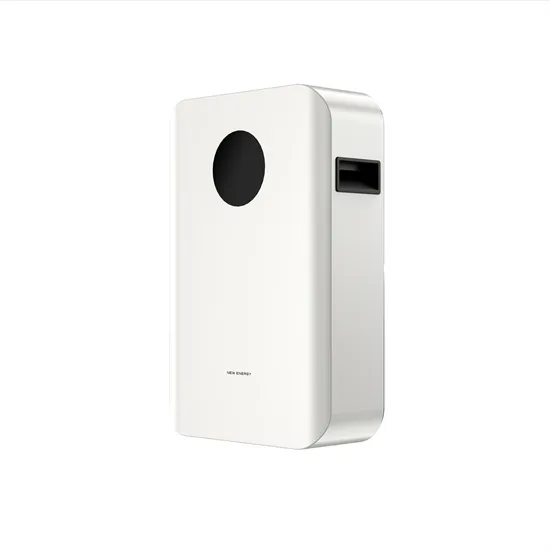
Lithium-ion and flow batteries are two prominent technologies used for solar energy storage, each with distinct characteristics and applications. Lithium-ion batteries are known for their high energy density, efficiency, and compact size, making them suitable for residential and commercial solar. . Researchers in Australia have created a new kind of water-based “flow battery” that could transform how households store rooftop solar energy. Credit: Stock Monash scientists designed a fast, safe liquid battery for home solar. The system could outperform expensive lithium-ion options. RFBs work by pumping negative and positive. . Next-level energy storage systems are beginning to supplement the familiar lithium-ion battery arrays, providing more space to store wind and solar energy for longer periods of time, and consequently making less room for fossil energy in the nation's power generation profile. Their next-generation flow battery opens the door to compact, high-performance battery systems for homes, and is expected to be much. .
[PDF Version]
 MENU