
-
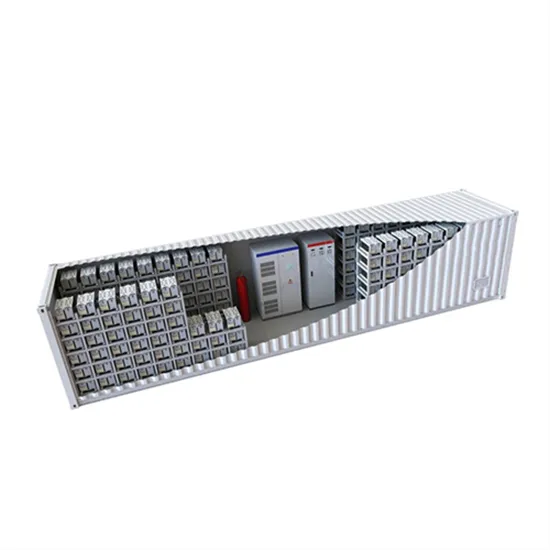
Vanadium liquid flow battery market share
The Vanadium Liquid Battery Market is dominated by redox flow batteries, holding 84. 38 million in 2026 and reach USD 327. 2% share maintains steady growth as demand for advanced energy storage rises. S, Canada, Mexico), Europe (Germany, United Kingdom, France), Asia (China, Korea, Japan, India), Rest of MEA And Rest of World. The growing penetration of distributed renewable resources like solar and wind energy sources has created the requirement for an effective. . The global flow battery market size was valued at USD 960.
[PDF Version]
-
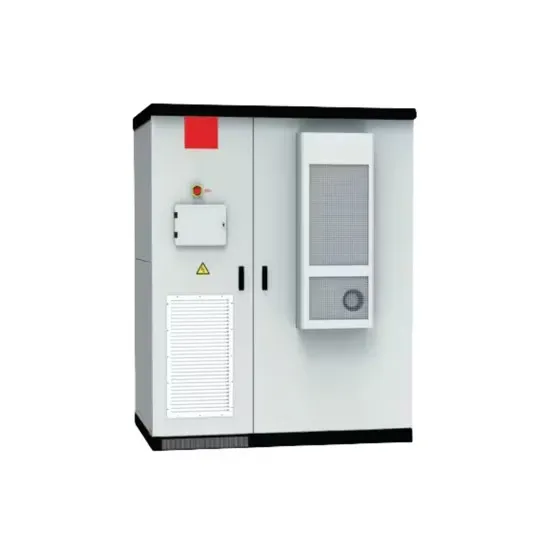
Andorra City Vanadium Redox Flow Battery
The vanadium redox battery (VRB), also known as the vanadium flow battery (VFB) or vanadium redox flow battery (VRFB), is a type of rechargeable which employs ions as . The battery uses vanadium's ability to exist in a solution in four different to make a battery with a single electroactive element instead of two.
[PDF Version]
-
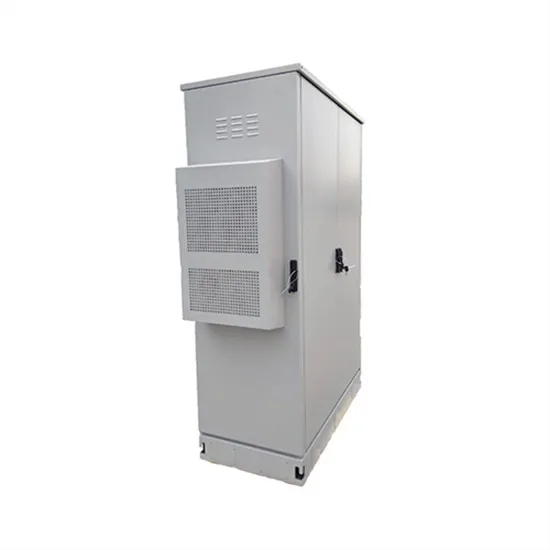
10V in vanadium flow battery
Self-contained and incredibly easy to deploy, they use proven vanadium redox flow technology to store energy in an aqueous solution that never degrades, even under continuous maximum power and depth of discharge cycling. Our technology is non-flammable, and requires little. . The vanadium redox battery (VRB), also known as the vanadium flow battery (VFB) or vanadium redox flow battery (VRFB), is a type of rechargeable flow battery which employs vanadium ions as charge carriers. [1] The present form (with sulfuric acid electrolytes) was patented by the University of New South Wales in Australia in 1986. [2] Flow. . ed network. This design enables the two tanks to be sized according to different applications' needs, allowing RFBs' power and energy capacities to. . Modular flow batteries are the core building block of Invinity's energy storage systems.
[PDF Version]
-
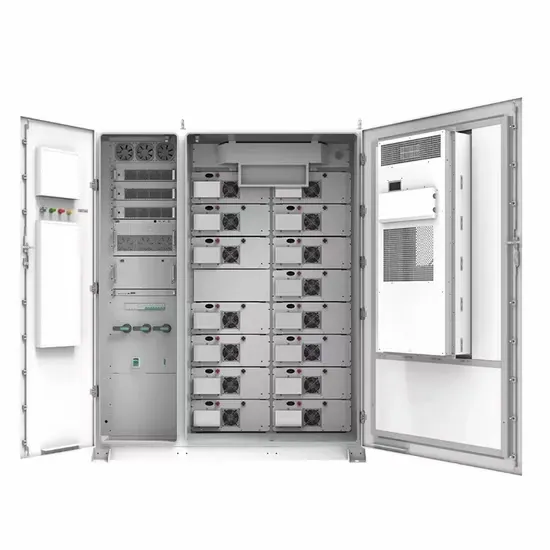
How big is the solar container battery for 8 000 kWh of electricity
For grid-connected systems, use 1-3 lithium-ion batteries with at least 10 kWh capacity. Always consider daily energy production, peak usage, battery capacity, and depth of discharge to ensure proper sizing. . To size your solar battery, assess your energy needs. Enter your daily energy consumption, backup requirements, and solar system details to determine the best battery size in kilowatt-hours or ampere-hours. 2 (inefficiency factor) = 24 kWh 10kWh x 1.
[PDF Version]
-
How big a battery should a 200 watt solar light be equipped with
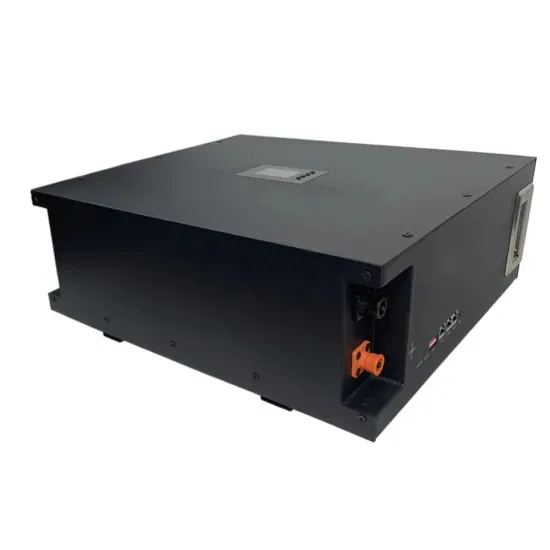
When using a solar panel 200 watt 12 volt, the perfect match of battery you can use is a 12-volt 40Ah 500-watt-hours battery. That said, when it comes to the number of battery storage for your requirements, you need to determine your power consumption, which is gauged in kWh. You'll learn how to calculate your energy needs and find the best options that fit your lifestyle and budget. Which I'll explain in a moment. By inputting specific details about your energy consumption, this calculator provides tailored insights into the solar. . When building a solar power system, batteries are key, whether you're preparing for off-grid living, seasonal blackout protection, or daily load balancing. Lithium-ion batteries would be superior in terms of lifespan and performance.
[PDF Version]
-
Large Capacity Flow Battery System
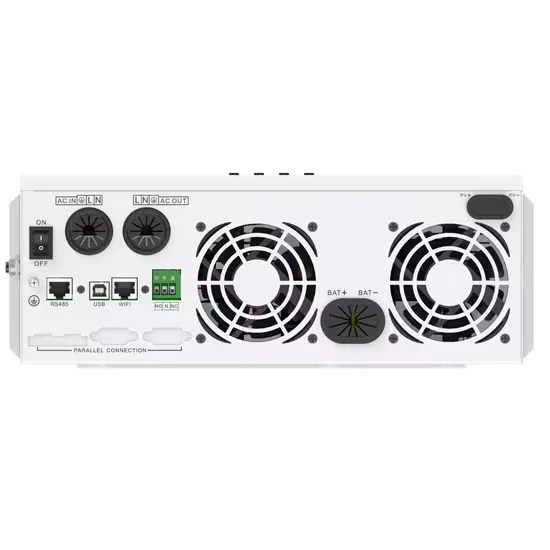
Flow batteries are innovative systems that use liquid electrolytes stored in external tanks to store and supply energy. They're highly flexible and scalable, making them ideal for large-scale needs like grid support and renewable energy integration. You can increase capacity by adding more. . To support the commercialization of flow batteries and continued research and improvement, Battery Council International established the Flow Battery Industry Group in 2023 as well as the annual Flow Batteries North America conference. These systems are vital for many reasons, including maintaining grid stability, incorporating renewable energy sources (such as wind and solar), and balancing demand and. . Flow batteries consist of two liquid electrolytes which are then separated by a membrane, and the electricity is created when both electrolytes flow through a system. The electricity is stored, then ultimately freed, by charging and discharging both electrolytes through the flow of ions across a. . These advanced energy storage systems are gaining traction as a game-changer for renewable energy integration, offering scalability, longevity, and environmental benefits that traditional batteries struggle to match.
[PDF Version]
 MENU