
-
Solar energy storage target price
As of early 2026, the global average installed price for high quality off grid systems has stabilized between $350 and $550 per kilowatt hour. . ow of $999 per kilowatt-hour stored. In 2025, we are monitoring potential tariff 63% of Marketplace share nationwide. Because the Powerwall 3 includes an integrated inverter, Tesla also became t e second-most quoted inverter brand. With batteries increasingly being added to solar systems—the. . The National Renewable Energy Laboratory (NREL) publishes benchmark reports that disaggregate photovoltaic (PV) and energy storage (battery) system installation costs to inform SETO's R&D investment decisions. To put this in perspective, just four years ago in. . Source: S&P Global Commodity Insights. 30 GW Energy storage target by 2025 at a federal level.
[PDF Version]
-
How much is the wholesale price of energy storage cabinet batteries in Chile
$280 to $580 per kWh for small to medium-sized commercial projects. For large-scale, containerized ESS (e. These numbers are affected by: Regional labor. . Different places have different energy storage costs. China's average is $101 per kWh. Knowing the price of energy storage systems helps people plan for steady power. As prices drop and technology gets better, people need to. . In 2025, the typical cost of a commercial lithium battery energy storage system, which includes the battery, battery management system (BMS), inverter (PCS), and installation, is in the following range: $280 - $580 per kWh (installed cost), though of course this will vary from region to region. . Understanding the pricing of energy storage battery cabinet assemblies is critical for businesses seeking reliable power solutions. For example, a German manufacturing plant reduced its annual energy costs by 18%. . This article decodes pricing trends for commercial buyers, facility managers, and renewable energy enthusiasts looking to navigate the $33 billion global energy storage market [1].
[PDF Version]
-
Chile develops new energy storage
In Chile's north, Spanish company Grenergy Renovables is developing a massive 4. 1 gigawatt hour (GWh) storage facility. And new data shows the country already has 954MW of operational energy storage capacity, meaning it's half way to achieving the national target of 2GW by 2030. Chile Energy Minister Diego Pardow was present at the inauguration of the 200 MW/800 MWh BESS del Desierto, a project its developers describe as. . Chile is rapidly moving to build more power generation capacity, with much of that effort focused on renewable energy resources and battery energy storage systems (BESS). The context: The South American nation's brisk shift to clean electricity was sparked by staunch community opposition to traditional power projects. As global energy landscapes. .
[PDF Version]
-
Distribution of energy storage charging stations in Chile
This guide delves deep into the top charging networks in Chile, offering you a comprehensive look at where to charge your EV, the benefits these networks provide, and what the future holds. Chile's push towards a greener future is evident in its policies and commitments. . Yet, key challenges persist—chiefly, the uneven geographic distribution of charging stations and policy gaps around installer support and residential access. B2B stakeholders must strategize across four dimensions: regulatory navigation, infrastructure equity, demand-side stimulation, and business. . Chile's electrical energy sector is divided into three components: generation, transmission, and distribution. A detailed study on the state of electromobility in Chile was presented by Volvo Car Chile. . The public charging infrastructure in Chile is in early stages of development, but with a clear growth trend, between 2021 and 2024 the number of available public access chargers has tripled. Please wait while loading charts.
[PDF Version]
-
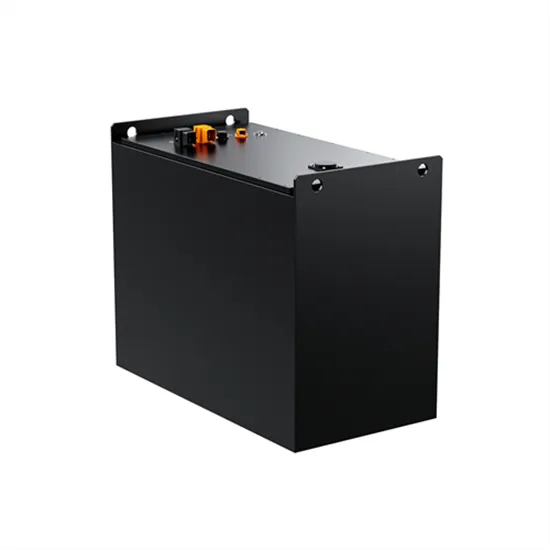
Industrial energy storage battery compartment
These energy storage systems provide backup and typically support critical loads for up to four hours. In a microgrid, batteries become proactive assets that shift load, balance supply and demand, lower energy costs, and earn value through demand response and utility incentives. Typical BESS. . With energy ratings from 200 kWh to multiple MWh, our battery storage options are sure to fit your microgrid system needs. Talk with an Expert Smart storage. Secure energy resilience for your own organization while stabilizing the grid for everyone. As global industries accelerate their transition toward renewable energy, the need for reliable commercial and industrial. . Compact, end-to-end modular battery energy storage system (BESS) and energy management designed for enhanced energy density while delivering significantly reduced installation costs. It typically involves advanced battery technologies. .
[PDF Version]
-
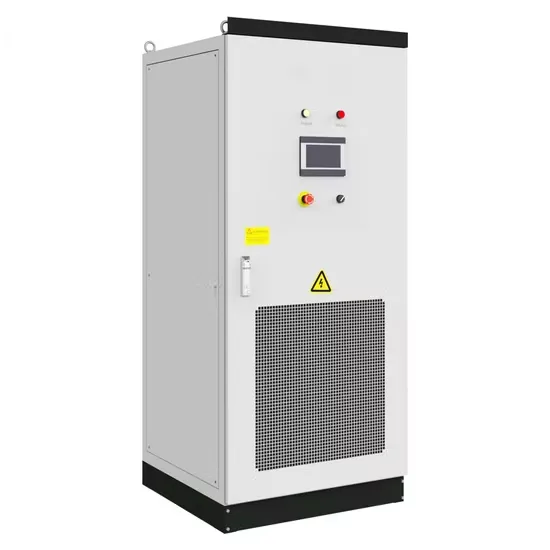
Installation of 120kWh Energy Storage Battery Cabinet
In this step-by-step guide, we will walk you through the process of choosing and installing a high-quality cabinet type energy storage battery, so you can harness the power of renewable energy and reduce your reliance on the grid. . Summary: Installing batteries in an energy storage cabinet requires precision, safety awareness, and industry-specific knowledge. This guide covers tools, best practices, and real-world examples to ensure efficient installation for residential, commercial, and industrial applications. Amidst this evolution, ENERGY storage units have emerged as a pivotal solution, offering flexibility and efficiency in managing energy. . Browse our BESS cabinet model pages (kW/kWh options) for C&I PV + storage, peak shaving, backup power and microgrids. What Is a BESS Cabinet? A BESS cabinet is an industrial enclosure that integrates battery energy storage and safety systems, and in many cases includes power conversion and control. . Let's face it – energy storage battery cabinets aren't exactly the Beyoncé of renewable energy systems. But just like backup dancers, they're critical to the show. The complete all-in-one design provides you with ultimate safety and convenience. Available in capacities of 80kWh, 90kWh,100kWh, 120kWh, and 140 kWh, this modular system is designed to power your entire home efficiently.
[PDF Version]
 MENU