
-
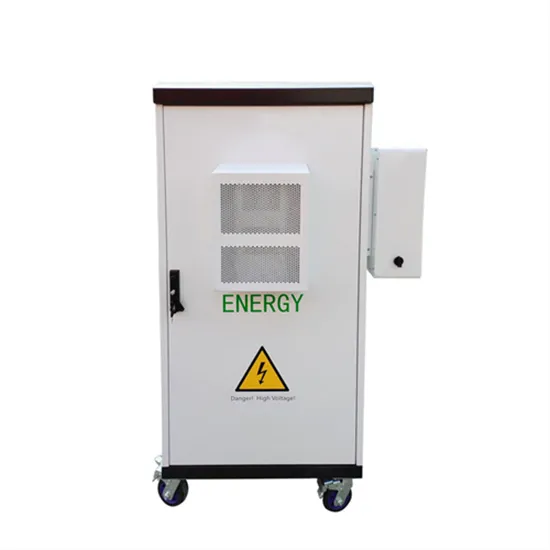
Bolivia sodium ion solar container battery
As Bolivia strides toward energy independence, photovoltaic solar battery storage systems are emerging as a game-changer. This article explores how solar-plus-storage solutions address Bolivia's unique energy challenges while creating opportunities for residential. . Bluetti, a Chinese manufacturer of energy storage and portable power systems, has unveiled what it calls “the world's first sodium-ion portable power station”. Announced at IFA in Berlin, the Pioneer Na uses sodium-ion cells and has a capacity of 900 Wh with a 1,500 W power output. a standard shipping container arrives at a construction site. But instead of holding cargo, it unfolds like a high-tech origami piece - solar panels. . This is a popular kit for those looking to get into solar and DIYers looking for an RV upgrade project. . At the moment, lithium ion (Li-ion) is the top choice for solar batteries, as this type is very reliable and can be found in leading battery storage products, including the Tesla Powerwall, Generac PWRcell, and LG Chem.
[PDF Version]
-
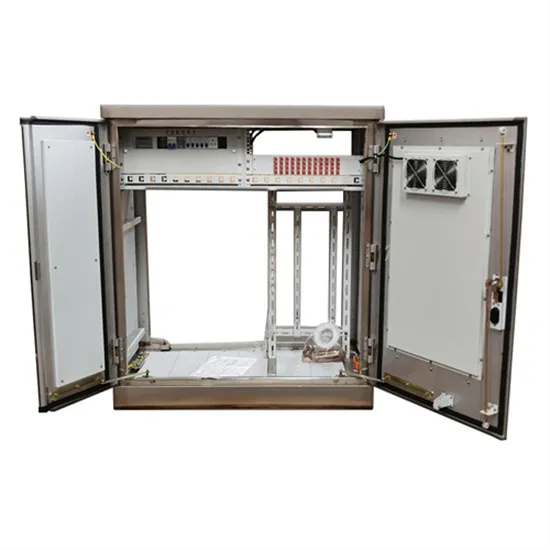
Solar power generation efficiency 90
No, a 90 % efficient solar panel is not currently achievable and remains far beyond commercial technology. Modern commercial panels reach about 22-27 % efficiency; lab records approach ~34 % for single modules. . Solar-cell efficiency is the portion of energy in the form of sunlight that can be converted via photovoltaics into electricity by the solar cell. Theoretical physics sets limits (for single-junction cells) at around 33 %-34 %, and. . The conversion efficiency of a photovoltaic (PV) cell, or solar cell, is the percentage of the solar energy shining on a PV device that is converted into usable electricity. electric power sector totaled about 4,260 billion kilowatthours (BkWh) in 2025. In our latest Short-Term Energy Outlook (STEO), we expect U. 6% in 2027, when it reaches an annual total of 4,423 BkWh. The. . In a world where renewable energy solutions are not just a luxury but a necessity, the recent breakthrough achieving 90% solar panel efficiency marks a monumental leap forward.
[PDF Version]
-
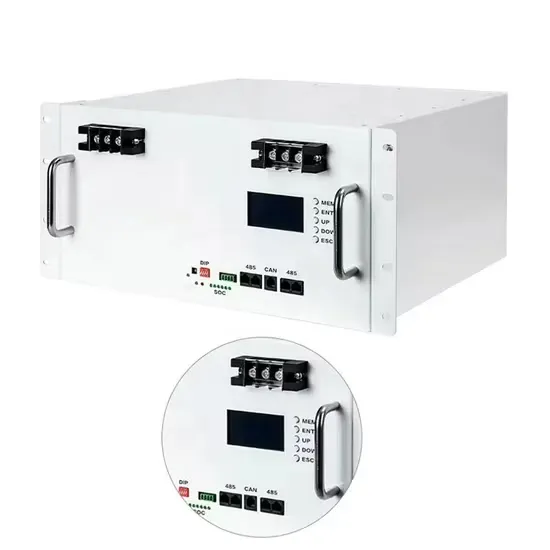
Energy storage type sodium ion battery
A sodium-ion battery (NIB, SIB, or Na-ion battery) is a rechargeable battery that uses sodium ions (Na +) as charge carriers. In some cases, its working principle and cell construction are similar to those of lithium-ion battery (LIB) types, simply replacing lithium with sodium as the intercalating. . CATL is the largest battery producer in the world. Any move it makes is noteworthy.
[PDF Version]
-
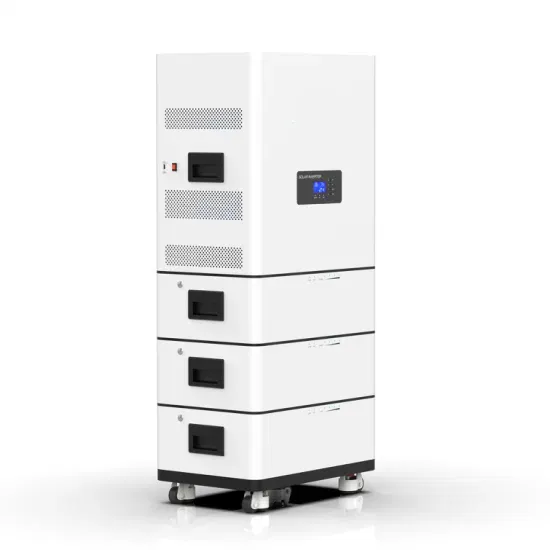
Advantages of sodium ion energy storage system
One of the standout benefits of sodium-ion batteries (SIB) is their superior safety profile compared to many lithium-ion alternatives. Sodium-ion technology significantly reduces risks related to thermal runaway, a common issue causing fires and explosions in lithium-ion batteries. . Beyond transport, the most transformative implications may arise in grid-scale energy storage, where cost efficiency, thermal stability, and long cycle life are critical. This supply chain independence translates into lower, more stable material costs across the board.
[PDF Version]
-
How many watts of photovoltaic panels are required for 90 square meters
While it takes roughly 17 (400-watt) panels to power a home. It's often seen that larger homes might require more solar power. . How many watts per square foot can a solar panel generate? Dividing the specified wattage by the square footage of the solar panel will give us just this result: The average solar panel output per area is 17. Let's say that you have 500 square feet of roof available for. . The answer lies in something most solar salespeople never properly explain— solar irradiance and your actual energy potential per square meter. Look at the cost per watt and try to get larger panels to avoid running. . You've calculated your solar panel needs, so it's time to check where you can get photovoltaic cells that are the closest to the ideal., daily vs monthly load, or target kW vs usage-based sizing). How Does the Calculator Work? The. .
[PDF Version]
-
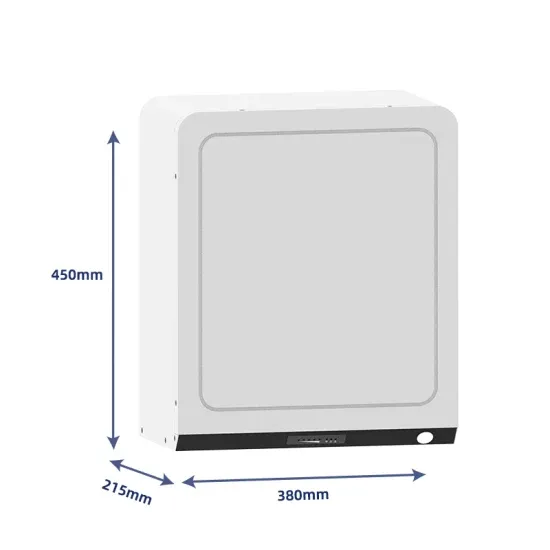
Solar energy storage and wind energy storage batteries
Batteries can provide highly sustainable wind and solar energy storage for commercial, residential and community-based installations. Solar and wind facilities use the energy stored in batteries to reduce power fluctuations and increase reliability to deliver on-demand power. Energy demand is never constant during the day; it. . Battery storage systems offer vital advantages for wind energy. Battery storage systems enhance wind energy reliability by managing energy discharge. . Hybrid Solar Battery Systems, which combine solar power, wind energy, and Battery Energy Storage, offer a comprehensive solution to the challenges of energy supply variability and grid stability.
[PDF Version]
 MENU