
-
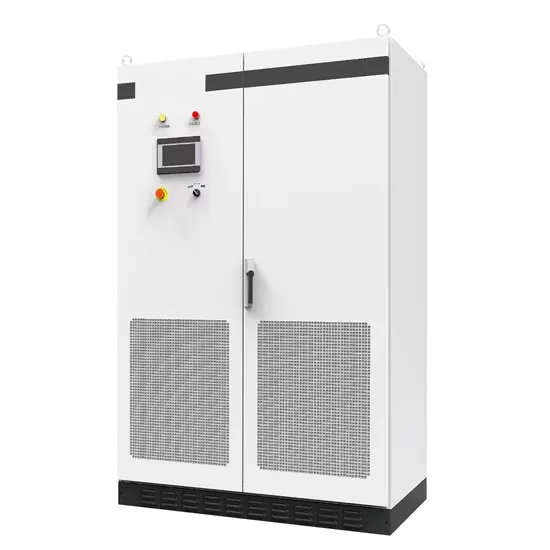
Battery lifespan of Cape Verde base station energy storage
LiFePO4 (lithium iron phosphate) batteries typically last 2,000–5,000 charge cycles, equating to 10–15 years under normal use. [pdf]. In a move that has effectively put the islands on the map in the latest projects, Cape Verde massively boosted its wind power and battery storage, pushing renewables close to one-third of the electricity supply. These profound changes were initiated in December 2025, giving Cape Verde residents. . The project, considered the world's largest solar-storage project, will install 3. 5GW of solar photovoltaic capacity and a 4. The project has commenced in November 2024. [pdf] Since 2022, Bairen Energy Storage has deployed 47 battery energy storage systems (BESS) across. . Africa Finance Corporation (AFC) and public-private-partnership (PPP) Cabeolica have inaugurated 13. 5 megawatts and adding 26 megawatt-hours of grid-connected battery storage. e-STORAGE is a brand of Canadian Solar, Inc.
[PDF Version]
-
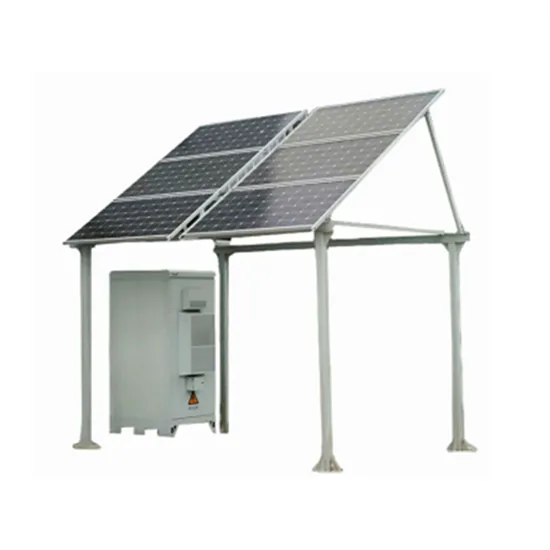
Cape Verde portable energy storage battery manufacturer
Announced earlier this week (8 December), AFC and Cabeolica have officially opened the Cabeolica Wind Farm and Battery Energy Storage System (BESS) project, which comprises an expansion to an existing wind farm and three separate BESS installations on four of Cape Verde's 10 islands. . Summary: As Cape Verde accelerates its transition to renewable energy, battery storage systems have become critical for stabilizing the grid. This guide explores practical solutions, trusted suppliers, and key technical considerations – helping you make informe. . The Santiago Pumped Storage Project, which will be located in Chã Gonçalves, in the municipality of Ribeira Grande de Santiago and will cost around 60 million euros, promises to significantly increase energy storage capacity, thus making it possible to increase the country's electricity production. . You know, 98% of Cape Verde's electricity still comes from imported diesel—that's like paying premium prices for flip-flops in a beach paradise. With global oil prices jumping 20% since January 2024, these Atlantic islands are spending over €65 million annually just to keep the lights on.
[PDF Version]
-
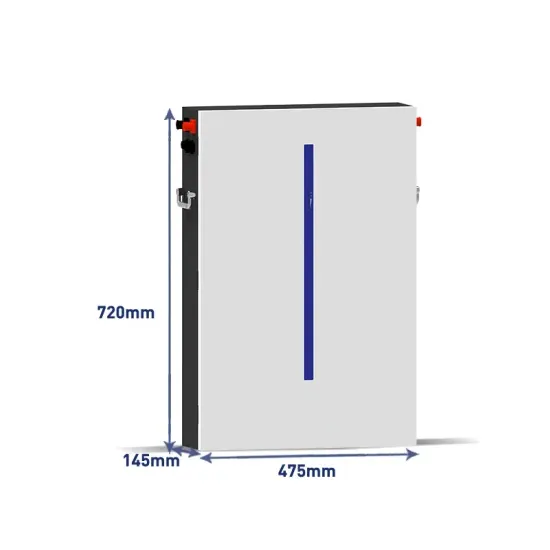
Why lithium battery energy storage was stopped
The usage of lithium batteries in energy storage systems involves significant safety hazards. These devices can overheat, leading to a phenomenon known as thermal runaway, which can result in fires or explosions. Environmental Impact: Lithium mining and disposal pose. . Battery Energy Storage Systems, or BESS, help stabilize electrical grids by providing steady power flow despite fluctuations from inconsistent generation of renewable energy sources and other disruptions. Li-ion batteries generally have a life span of five to 10 years, though CSIRO notes that current development trends could stretch this out to 15 years. The usefulness of. . Energy storage batteries are manufactured devices that accept, store, and discharge electrical energy using chemical reactions within the device and that can be recharged to full capacity multiple times throughout their usable life. Yet, this massive growth in demand has brought a critical issue into sharp focus: the lithium bottleneck.
[PDF Version]
-
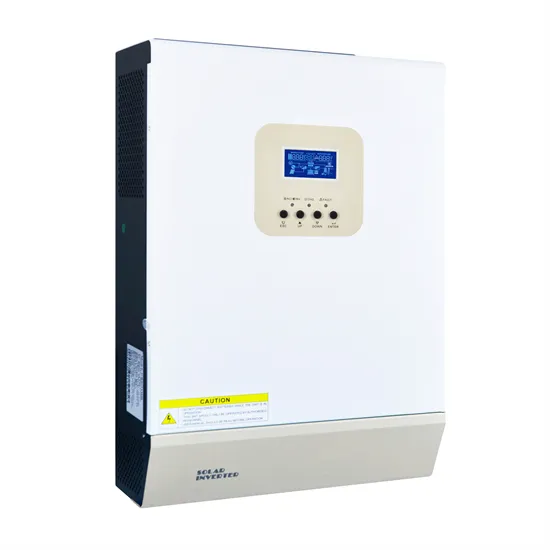
Liberia energy storage solar container lithium battery price
Major projects now deploy clusters of 20+ containers creating storage farms with 100+MWh capacity at costs below $280/kWh. [pdf]. ff-grid and renewable energy storage needs. Technological advanceme h to pro ide electricity in off-grid locations. Eac ive?,but may be cost-effective. . Colombia's first grid-scale battery energy storage system (BESS) came online in 2023 near Medellín – a 20MW/40MWh behemoth that's essentially a giant Tesla Powerwall for the national grid. Here's why it matters: Move over, oil. [pdf] A typical 100kWh system in Ljubljana ranges between. . rmous deployment and cost-reduction potential. By 2030,total installed costs could fall between 50% and 60% (and battery cell costs by even more),driven by optimisation of manufacturing facilities,combined with be storage s ) to the point of becoming increasingly cos ong-term planning models and. . Last month, a Monrovia hospital paid $18,000 for a lithium-ion system that could power 20 beds for 48 hours.
[PDF Version]
-
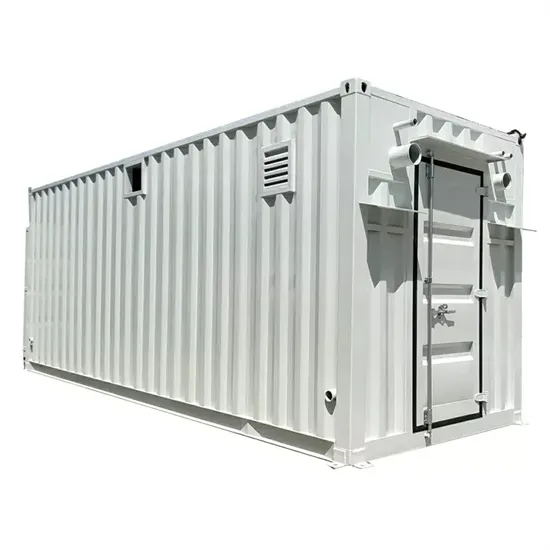
Serbia solar container lithium battery prices reduce energy storage
Technological advancements are dramatically improving solar storage container performance while reducing costs. Next-generation thermal management systems maintain optimal operating temperatures with 40% less energy consumption, extending battery lifespan to 15+ . . Serbia Solar and Storage Project | UGT RenewablesUGT Renewables is working with Serbia's EPS to provide a series of self-balanced utility-scale solar projects, including battery storage, to every corner of Serbia. solar-system The project is the largest battery storage facility in Santa Barbara. . Serbia is rapidly emerging as a hotspot for renewable energy adoption, and its energy storage battery fee standards play a pivotal role in shaping this transition. The grid absorbs what it can, but its structural limitations are becoming clearer with each new project. . Average container energy storage price per 50 ts and increasing demand for renewable energy integration. Higher costs of €500–€750 per kWh are driven by higher installation and permitting expenses.
[PDF Version]
-
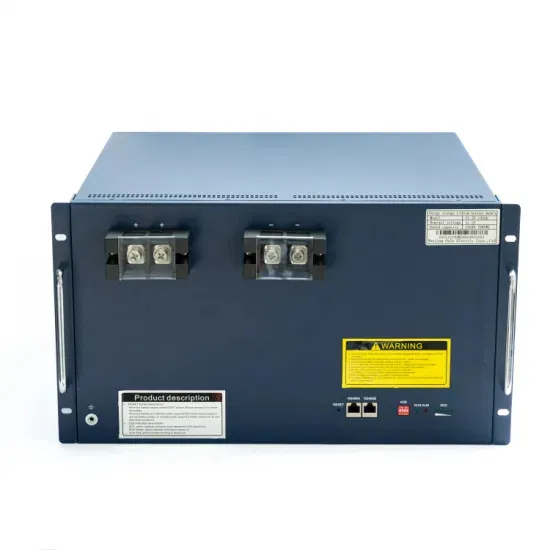
Small capacity energy storage lithium battery
This article explores the key advantages, applications, and selection tips for 5kWh lithium energy storage batteries. Therefore, all parameters are the same for the research and development (R&D) and Markets & Policies Financials cases. Strong growth occurred for utility-scale battery projects, behind-the-meter batteries, mini-grids and solar home systems for. . The GSL Wheeled LiFePO4 Battery Series is designed for projects that require true mobility, flexible deployment, and scalable energy capacity without complex installation. The market is growing rapidly with. .
[PDF Version]
 MENU