
-
Can can heating generate solar power
Solar thermal systems are a proven means of harnessing solar energy for heating. These systems typically employ solar collectors, which come in various forms such as flat-plate, evacuated tube, or concentrated solar power, to convert sunlight into thermal energy. But the “how” is more interesting than a simple yes or no. It involves two distinct technologies with different price tags and efficiencies. For smaller, targeted heating needslike a. . Solar heating utilizes the energy stored in solar panels to power your home's air and water heating systems. If suitably harnessed, solar energy has the. . esidential solar heating systems offer a remarkable way to harness the sun's energy to warm your home, providing a sustainable and cost-effective alternative to traditional heating methods. For homeowners seeking to cut down on utility costs and reduce their carbon footprint, understanding how. .
[PDF Version]
-
Power distribution from outdoor solar cabinets in tunnels
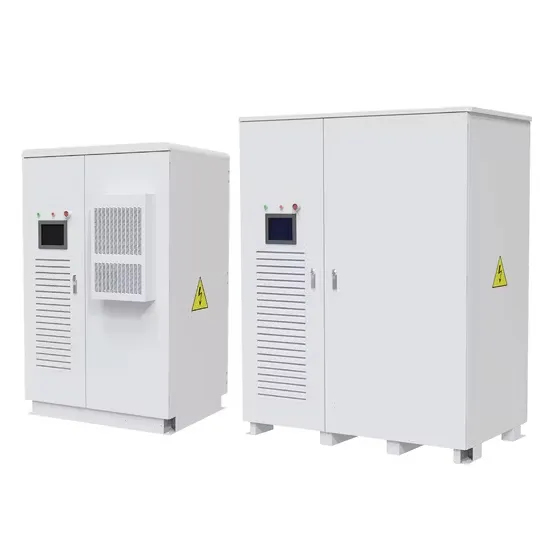
Smart Power Distribution Units allow remote management of telecom cabinets, reducing the need for on-site visits. . Solar power adaptation boosts efficiency and reliability by using features like maximum power point tracking and intelligent energy management. The table below shows how these technologies improve performance: ESTEL leads the industry by offering robust, integrated outdoor telecom solutions. Particularly critical subsections, such as ventilation and lighting, must continue to work even in emergency situations, for example. . To this end, Rittal offers you a portfolio of secure and robust outdoor enclosures, together with matching climate control systems, for optimum protection of your installations. Optimal sites integrate urban environments and less-populated regions, 2.
[PDF Version]
-
Solar intelligent power generation machine
Smart energy management systems powered by computer vision and predictive analytics are transforming solar installations from passive energy collectors into intelligent, self-optimizing power generation networks. With solar installations growing by 85% in 2023 and tech giants investing billions in solar storage infrastructure, artificial intelligence has become the. . This is where Artificial Intelligence (AI) steps in. The study examines applying advanced artificial intelligence techniques in optimizing solar power production, forecasting, and grid. . The integration of machine learning and deep learning technologies has revolutionized solar power production by addressing challenges such as variability and unpredictability. This paper explores the application of Explainable AI (XAI) through the proposed SPXAI model to enhance the efficiency and. .
[PDF Version]
-
Is there any transparent solar power generation
There are partially transparent solar panels that allow light to pass through while at the same time using the rest to generate electricity. It is for this reason that they offer alternative uses which opaque traditional panels cannot provide. In this article, we will cover how they work, their pros and cons. . Transparent solar panels, also called clear photovoltaics or clear PVs, are an exciting new advancement that could revolutionize how we harness renewable energy. This opens up. . This new technology from Ulsan National Institute of Science and Technology addresses a basic energy problem: how to get solar power without blocking light. These panels, initially developed as transparent. .
[PDF Version]
-

Rural solar photovoltaic power generation is feasible
Several studies have demonstrated the technical and economic feasibility of photovoltaic, solar thermal, and hybrid solar systems for various on-farm applications such as water pumping, crop drying, greenhouse heating. . Across the country, solar farms have experienced rapid growth, supported by advancements in technology, cost reductions, and policy initiatives such as state-level renewable portfolio standards and tax credits. As shown in Map 1, roughly 18% of ground-mounted PV facilities in the U. were. . Alternative energy sources such as wind, geothermal, hydro and solar have grown increasingly popular as ways to reduce greenhouse gas emissions and strengthen the grid by decentralizing power production. NLR studies economic and ecological tradeoffs of agrivoltaic systems. To meet renewable energy goals by installing large-scale solar operations. . Agrivoltaics combine the production of crops or livestock with the generation of electricity from solar panels. Sheep grazing is the most popular livestock type. Vegetables and berries are the leading crops. Community solar power has many benefits and it provides a flexible option for some people in the event homeowners can't afford their own solar power systems or utilities are not going to develop their own solar power systems. 1 Without intervention, this landscape-scale change could have major impacts on the future of farming and food. .
[PDF Version]
-
Using pipes to generate solar power
Solar underground pipes, often referred to as ground source heat exchangers, represent a significant advancement in renewable energy technology. They are designed to leverage the earth's natural thermal energy, making them an effective solution for heating and cooling systems. They can be integrated into residential or commercial systems for. . Building-Integrated Photovoltaics Building-Integrated Photovoltaics (BIPV) is a type of solar energy that uses photovoltaic cells to create electricity while also serving as a building material. Installing a rooftop s opper pipes. . If you have pipes with water flowing through them, there may be several ways to generate 12 volts or more of electricity with relatively little effort. Even if the majority of pipes in your home are made of plastic, there are still ways to make use of them, as well as every tap and drain in your. . Steel piping plays an essential role in the solar energy industry.
[PDF Version]
 MENU