
-
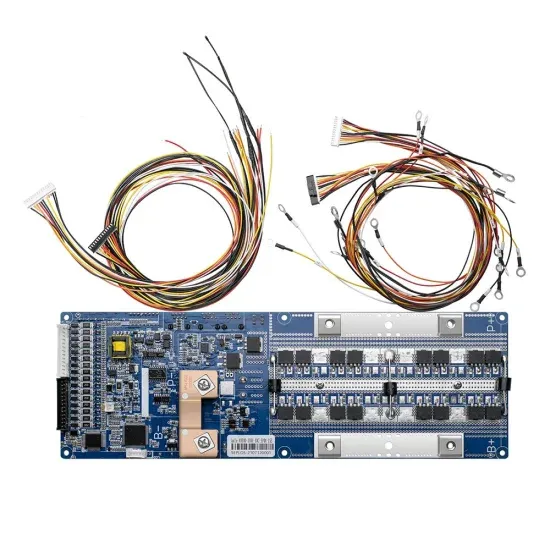
How many watts of battery are needed for a 100w solar panel
A 100W solar panel requires a 100ah 12V battery minimum. To make things even easier, we have created: 100Ah Battery Solar Size Calculator. You just input how many volt battery you have (12V, 24V, 48V) and type of battery (lithium, deep cycle, lead-acid). . Daily Energy Generation: A 100-watt solar panel can produce up to 500 watt-hours daily with 5 hours of sunlight; understanding this helps in battery sizing. Battery Capacity Requirements: Opt for a battery with at least 100 amp-hours (Ah) for optimal performance with a 100-watt solar panel. . Many types and sizes of batteries are available on the market, but not all are suitable for 100W solar panels. You will find a handful of options for them. To find out the right battery size, you have to know how much power your solar panel. .
[PDF Version]
-
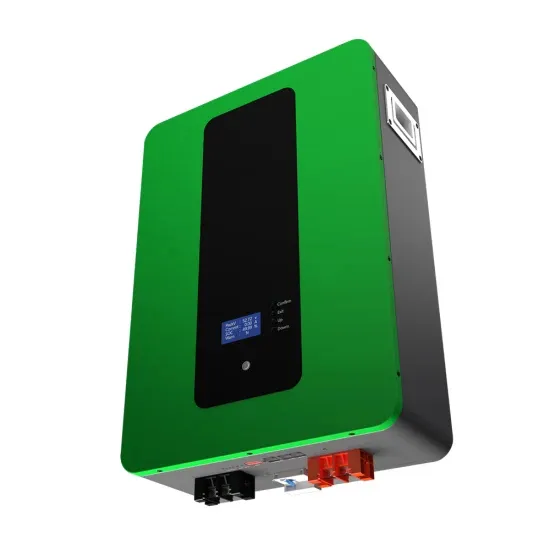
How to charge a 100w solar panel in an energy storage cabinet
In this video, we'll take you through a step-by-step guide on how to install and configure your solar panel kit, covering everything from connecting the panels and charging your batteries. . From off-grid camping to emergency backup, the 100W solar panel is now among the most sought-after options for portable power enthusiasts. It's lightweight, handy, and capable of charging crucial devices and even powering your power station in the wilderness. To make things even easier, we have created: 100Ah Battery Solar Size Calculator. However, proper installation is key to ensuring your system runs safely and efficiently. So, how do you hook up and use a 100-watt solar panel? In short, successfully hooking up a 100W solar panel requires. . A charge controller acts as a safety barrier between panels and a battery and should be a part of every home solar panel installation. But what does a battery fear? From what does a controller actually. .
[PDF Version]
-
How to charge the 100w solar panel in the energy storage cabinet
In this video, we'll take you through a step-by-step guide on how to install and configure your solar panel kit, covering everything from connecting the panels and charging your batteries. Whether you're a camping enthusiast. . It's lightweight, handy, and capable of charging crucial devices and even powering your power station in the wilderness. In this guide, we will demystify all you need to know about 100W solar panels—how they work, what they charge, how fast they charge, and whether one is enough for your needs. Even if you're a complete beginner to DIY solar, you can easily do it in an afternoon. Connect the negative end. .
[PDF Version]
-
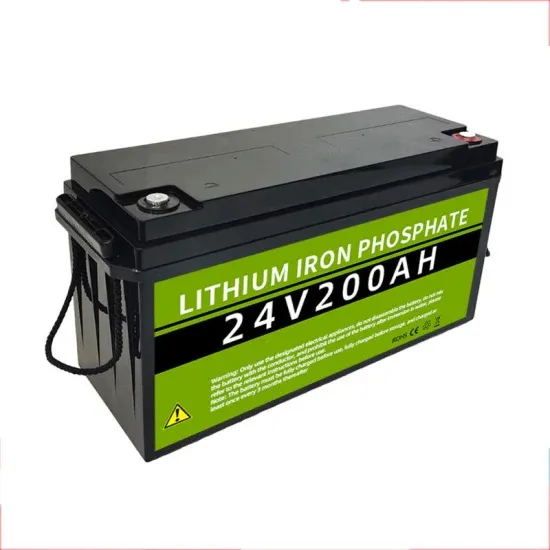
Can a 10V solar panel charge a 4V battery
Yes, you can charge a battery directly from a solar panel, but the process requires specific equipment and conditions to ensure safety and efficiency. Solar panels produce DC (direct current) electricity, which is compatible with most battery types. . Understanding Solar Components: Key components in solar charging include solar panels, charge controllers, batteries, and inverters, each playing a crucial role in efficiently harvesting and managing solar energy. Batteries are the heart of any solar system, storing sunshine during the day, so you can use that power whenever you need it. However, this method might not be the most efficient or safe way to achieve optimal battery performance. Without a regulator, on sunny days, the solar panel might generate more energy than your battery could. . Guy Gabay is a Solar Energy Contractor and the CEO of AmeriGreen Builders, a full-service solar energy, roofing, HVAC and window installation company based in the greater Los Angeles, California region.
[PDF Version]
-
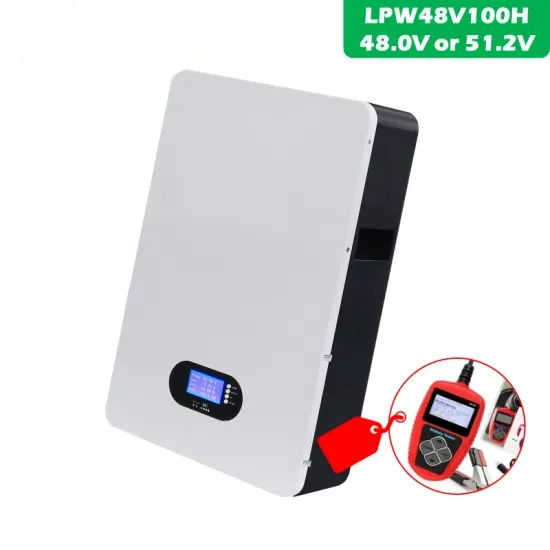
Charge and discharge times of energy storage solar energy storage cabinet lithium battery
Imagine your solar farm's storage system taking twice as long to recharge on cloudy days. Frustrating, right? Faster lithium battery charging times enable: "The sweet spot for commercial storage systems? Most operators aim for 2-4 hour charge cycles to balance speed and battery. . Summary: Understanding battery capacity and discharge time is critical for industries like renewable energy, transportation, and industrial power management. This article explores technical insights, real-world applications, and future trends to help businesses make informed decisions about energy. . The proposed method is based on actual battery charge and discharge metered data to be collected from BESS systems provided by federal agencies participating in the FEMP's performance assessment initiatives., at least one year) time series (e. Discharging begins when those batteries release stored energy to. . Battery energy storage systems (BESSs) play an important part in creating a compelling next-generation electrical infrastructure that encompasses microgrids, distributed energy resources (DERs), DC fast charging, Buildings as a Grid and backup power free of fossil fuels for buildings and data. . Lithium battery energy storage cabinets are revolutionizing how industries manage power. From renewable energy systems to industrial backup solutions, optimizing charging times directly impacts operational efficiency and cost savings.
[PDF Version]
-

Solar Photovoltaic Panel Battery Inverter
Solar inverters designed for battery storage convert direct current (DC) electricity generated by solar panels into alternating current (AC) electricity. . Its pure sine wave inverter delivers a steady 600W and peaks at 1200W, handling everything from small appliances to sensitive electronics without hiccups. The 92% efficiency really makes a difference, cutting down energy loss and giving me more usable power from the sun's rays. These systems vary in power capacity, battery technology, and smart features like MPPT charge controllers, WiFi. . How a solar inverter works: DC power from solar panels is converted to AC power by the solar inverter, which can be used by home appliances or fed into the electricity grid. While solar inverters are the most common type of inverter used for residential solar, they are just one of several inverter. . Discover the EG4 ChargeVerter GC, a versatile 48V 100 amp charger designed for efficient and reliable battery charging from various power sources.
[PDF Version]
 MENU