
-
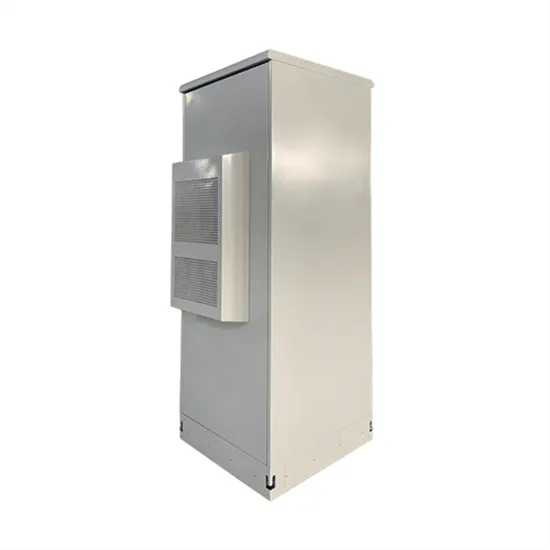
Automatically follow solar energy storage projects
Summary: Solar energy storage projects are transforming renewable energy adoption. This article explores automation trends, real-world applications, and how businesses can optimize solar storage systems. As electricity costs continue to rise and grid reliability becomes increasingly uncertain, intelligent storage solutions offer a powerful way to. . Scoop's project management software helps battery storage installers and service providers standardize, automate, and track your installation projects easily. The Scoop platform makes it easy for battery. . As the demand for clean and dependable energy sources intensifies, the integration of artificial intelligence (AI) with solar systems, particularly those coupled with energy storage, has emerged as a promising and increasingly vital solution. Smart Integration of Solar, Storage, and AI APsystems has long championed the convergence of solar and storage—now. . Today, solar power has emerged as one of the most viable and cost-effective energy sources, and storage technologies like lithium-ion batteries are revolutionizing the way we manage energy.
[PDF Version]
-
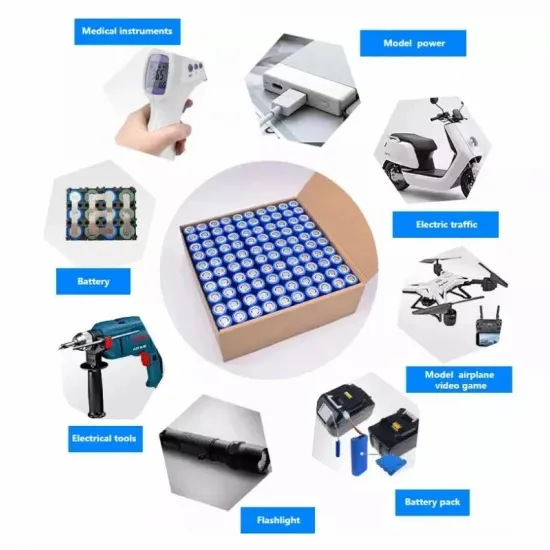
Waterproof solar energy storage cabinet for environmental protection projects
A solar battery storage cabinet is built to withstand the toughest environmental conditions. This durability reduces the risk of damage, allowing your solar system to operate. . Protect your solar batteries with our tested, waterproof enclosures today! KDM solar battery cabinets provide you with the ultimate outdoor dust-tight, watertight, and weatherproof solution for your solar batteries. With advanced designs meeting IP44. . Electrical enclosures in solar farms are critical for housing DC combiner boxes, AC distribution panels, battery storage systems, and communication cabinets.
[PDF Version]
-
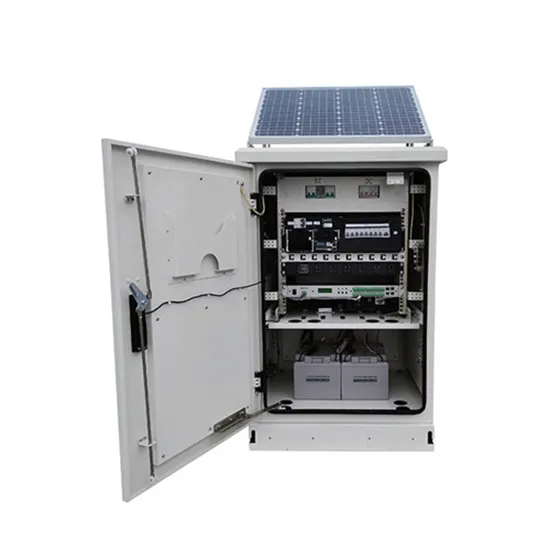
Financing for Intelligent Photovoltaic Energy Storage Container Projects
Yes, there are various financing options available for energy storage systems. . Financing energy storage projects is critical for enabling renewable energy adoption and grid stability. The Department of Energy (DOE) Loan Programs Office (LPO) is working to support deployment of energy storage solutions in the United States to facilitate the transition to. . Private Capital for $100M+ Projects. Leverage Project Finance and PPAs: Secure non-recourse debt and long-term revenue contracts like Power Purchase Agreements (PPAs) to attract investors and lenders for large-scale energy storage projects. Banks like Goldman Sachs and HSBC are now offering non-recourse loans specifically for BESS. 5 trillion globally between 2021 and 2050.
[PDF Version]
-
Composition of large-scale energy storage projects
Mechanical: Direct storage of potential or kinetic energy. Can involve sensible (temperature change) or latent. . Electrical Energy Storage (EES) systems store electricity and convert it back to electrical energy when needed. The first battery, Volta's cell, was developed in 1800. This trend is expected to continue as costs for VRE resources decline and jurisdictions pursue more ambitious power sector transformation strategies with. . Reaching Full Potential: LPO investments across energy storage technologies help ensure clean power is there when it's needed. The Department of Energy (DOE) Loan Programs Office (LPO) is working to support deployment of energy storage solutions in the United States to facilitate the transition to. . Large-scale energy storage systems are the backbone of our evolving power grid – sophisticated technologies that capture excess electricity when it's abundant and deliver it precisely when needed.
[PDF Version]
-
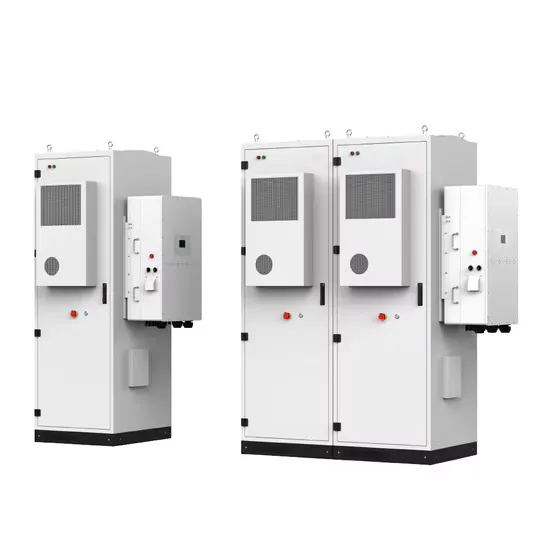
Future Energy Storage System Development Trend
Will growth continue to accelerate in the Middle East and Europe, where government-led tenders support new additions? Drawing on unique insight from Wood Mackenzie Lens Energy Storage, our new report sets out Five trends to look for in global energy storage in 2026. . At COP29, world leaders recognized this potential by setting an ambitious target: we need 1,500 GW of storage capacity by 2030—a six-fold increase from today's levels. “Energy storage is the fundamental building block of a. . Executive Summary: What are the Top 10 Energy Storage Trends in 2026 & Beyond? The energy storage market is projected to grow to USD 5. 7% by 2034, nearly seven times its current value. The top trends in energy storage are: AI Integration – Falling battery pack prices. . Installations passed 100 GW for the first time – a milestone achieved even as some of the largest energy markets grappled with significant policy shifts. Replacing fossil fuel-based power generation with power generation from wind and solar. . Breakthroughs in battery technology are transforming the global energy landscape, fueling the transition to clean energy and reshaping industries from transportation to utilities. With demand for energy storage soaring, what's next for batteries—and how can businesses, policymakers, and investors. .
[PDF Version]
-
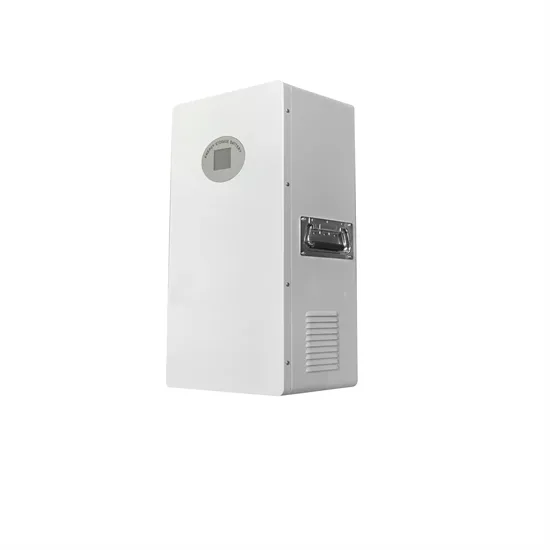
Electrochemical energy storage is the future direction
Electrochemical energy storage isn't just a trend; it's the backbone of tomorrow's energy landscape. From stabilizing grids to powering EVs, its applications are vast and growing. . Incorporated in the cover art is a 3D concept illustration of battery cells, a form of electrochemical energy storage. © Getty Images ISBN (978-0-578-29263-2) Other reports in the MIT Future ofseries: The Future of Nuclear Power (2003) The Future of Geothermal Energy (2006) The Future of Coal. . Electrochemical energy storage and conversion systems such as electrochemical capacitors, batteries and fuel cells are considered as the most important technologies proposing environmentally friendly and sustainable solutions to address rapidly growing global energy demands and environmental. . Summary: Electrochemical energy storage is revolutionizing industries by enabling scalable, efficient, and sustainable power solutions. Batteries, as electrochemical energy conversion devices, operate through controlled redox reactions that transform stored chemical energy into electrical. . NLR is researching advanced electrochemical energy storage systems, including redox flow batteries and solid-state batteries. As a sustainable and clean technology, EECS has been among the most valuable options for meeting increasing energy requirements. .
[PDF Version]
 MENU