
-
BIPV solar photovoltaic panels
Building-integrated photovoltaics (BIPV) are materials that are used to replace conventional in parts of the such as the roof, skylights, or façades. They are increasingly being incorporated into the construction of new buildings as a principal or ancillary source of electrical power, although existing buildings may be retrofitted with similar technology. The advantage of integrated pho.
[PDF Version]
-
Equipment Setup Requirements for Communication Base Station Energy Storage Systems
You have four options for siting ESS in a residential setting: an enclosed utility closet, basement, storage or utility space within a dwelling unit with finished or noncombustible walls. . Often referred to as the brain center, this includes: Baseband Unit (BBU): Handles baseband signal processing. Power Supply System This. . System Integration:Integrate EMS / BMS / PCS / power distribution / battery / operation platform to provide one-stop system solutions Independent Control:Each group of batteries is independently controlled, without risk of circulation Perfectly Compatible:Compatible with mainstream batteries on the. . Which battery is best for telecom base station backup power? Among various battery technologies, Lithium Iron Phosphate (LiFePO4) batteries stand out as the ideal choice for telecom base station backup power due to their high safety, long lifespan, and excellent thermal stability. SEAC's Storage Fire Detection working group strives to clarify the fire detection requirements in the. . Fuel generators are unsuitable for long-term use without on-site personnel. When evaluating a solution for your tower, consider these must-have features: HighJoule's telecom battery systems are. .
[PDF Version]
-
Off-grid systems spain
The Spain off-grid solar system market has demonstrated consistent growth over the past five years, driven by increasing energy decentralization initiatives and rising demand for sustainable solutions in remote and underserved areas. . In Spain, land is classified as urbanizable (buildable) or rústico/rural (non-urbanizable). Rural land is primarily intended for agriculture, forestry, or conservation and comes with strict restrictions on permanent construction. Permanent houses are generally not allowed on rural plots without. . Living off-grid in Spain is often cited as a path to both escaping the rat race and saving money on hefty monthly bills to heat and cool your home. Xerogrid's origins are in Spain, where Managing Director Ian Emberton built an off-grid PV system in 2010. With significant practical off-grid solar. . Right, so—living off-grid in Spain. Sounds like a dream, doesn't it? Sunshine, peace and quiet, growing your own food, not having to deal with landlords or council tax. Yeah, I've thought about it too. Spent hours watching YouTube videos, reading blogs, fantasising about my little patch of land. .
[PDF Version]
-
Medium and high temperature solar energy systems
Solar thermal technologies are categorized as low-temperature, medium-temperature, or high-temperature. High-temperature solar thermal (HTST), also known as concentrating solar thermal (CST), is used for electrical power generation. . The growth of global energy demand and the aggravation of environmental pollution have prompted the rapid development of renewable energy, in which the solar photovoltaic/thermal (PV/T) heat pump system, as a technology integrating photovoltaic power generation and thermal energy conversion, has. . One challenge facing the widespread use of solar energy is reduced or curtailed energy production when the sun sets or is blocked by clouds. HTST power plants are similar to traditional fossil fuel power plants,but t ey obtain their energy input from the sun i 176;C to 1000 °Cwith respect to the selection of solar. . Medium- temperature solar power plants operate in the range of 100 to 400 degrees Celsius and play a crucial role in advancing sustainable energy solutions. In this chapter,we discuss different configurations of concentrating collecto assified as low,medium andhigh. . This report looks at high-temperature solar thermal (HTST) technology, with the four main designs being considered: parabolic dish, parabolic trough, power tower, and linear Fresnel.
[PDF Version]
-
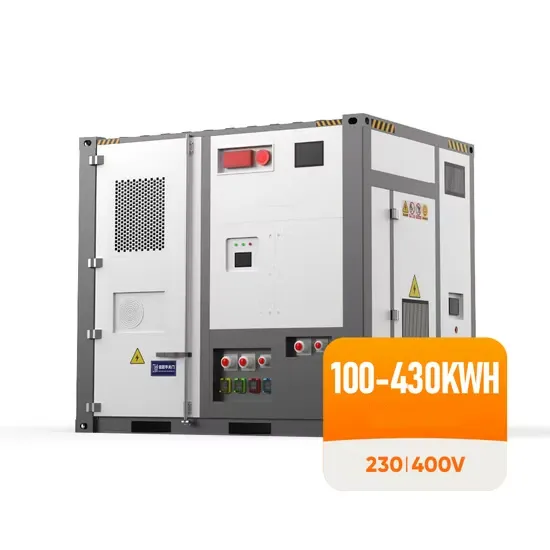
What are the safe solar container energy storage systems in Venezuela
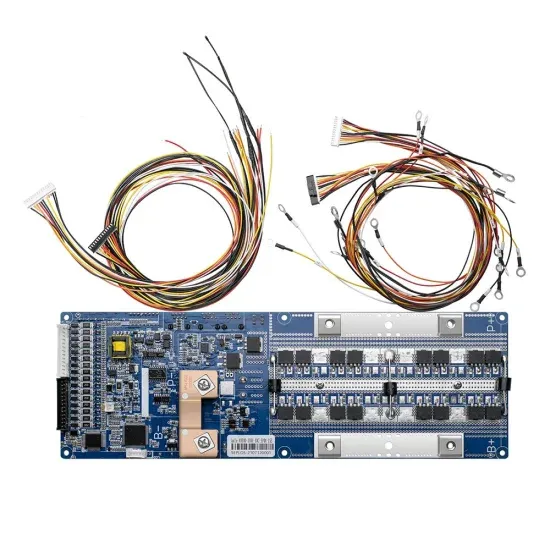
This article explores how Venezuela's industries and renewable projects leverage container energy storage cabinets to combat power instability while unlocking new operational efficiencies. . Now picture seamless energy continuity through intelligent containerized storage systems. But here"s the twist - Qatar is now. . anel factory,but it doesn't have any staff. There's materials in the storage facilities to produce for three years and supply n for easy additional solar power capacity. Customize your container according to various configurations,power outputs,a d storage capacity according to your needs. "Our storage containers reduced downtime costs by $18,000/month at a. . Discover how Venezuela leverages cutting-edge energy storage systems to stabilize renewable energy grids and meet growing electricity demands.
[PDF Version]
-
Difficulties of EMS for Energy Storage Systems
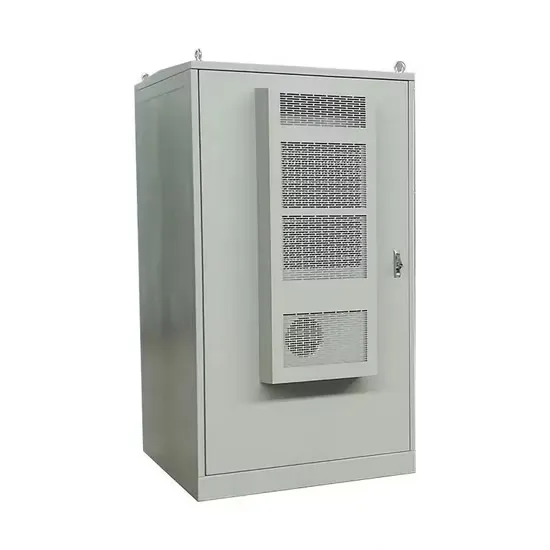
Here's where Energy Management Systems (EMS) change the game. Modern platforms like CET-7330 combine AI forecasting with multi-objective optimization, achieving 92% round-trip efficiency in recent field tests. Their secret sauce? When a 20MW/80MWh system in Pudong integrated adaptive EMS controls. . In this context, Energy Management Systems (EMS), as the core control tool of energy storage systems, play a crucial role. EMS not only optimizes energy production, distribution, and consumption, but also significantly enhances the system's economic performance, reliability, and safety. It ensures efficient energy storage and release, improves grid stability, and enhances economic benefits for operators.
[PDF Version]
 MENU