
-
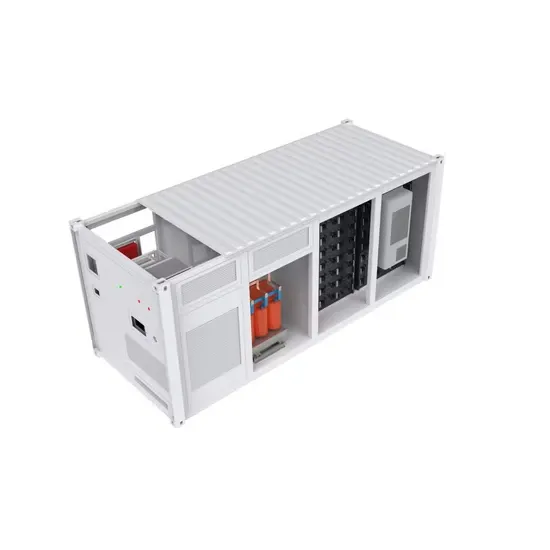
Battery solar energy storage cabinet system for solar telecom integrated cabinets in 2025
Featuring lithium-ion batteries, integrated thermal management, and smart BMS technology, these cabinets are perfect for grid-tied, off-grid, and microgrid applications. Explore reliable, and IEC-compliant energy storage systems designed for renewable integration, peak shaving, and backup power. Continuous power availability ensures network uptime and service quality in remote locations, even during grid failures or low sunlight. By integrating solar modules. . The Solar Power and Battery Cabinet is an all-in-one outdoor energy solution that combines solar charging, energy storage, and power distribution in a weatherproof enclosure. Designed for remote locations, it integrates solar controllers, inverters, and lithium battery packs to ensure stable and. . Enter the PV storage cabinet: a fully integrated enclosure that brings together lithium battery packs, hybrid inverters, energy management protocols, and safety systems into one scalable solution. As a professional manufacturer in China, produces both. .
[PDF Version]
-
Kiribati 2025 Energy Storage Battery
But here's the kicker: rising sea levels threaten 70% of Kiribati's habitable land by 2040, making their energy transition literally a race against time. Completed in Q1 2025, this 3. . in South Africa"s pursuit for energy security. 4% are connected to grid electricity. Access is largely for lighting, and that lighting is often insufficient, inefficient, and expensive. Energy storage battery containers offer a scalable, renewable-driven solution to stabilize grids and reduce carbon footprints. This article explores how these systems. . This Pacific island nation, composed of 32 atolls, has historically relied on diesel generators for 94% of its electricity - a Band-Aid solution that costs $0. The Moss Landing battery energy storage project uses utility-grade l thium-ion batteries LG Energy Solution(LGES).
[PDF Version]
-
Solar container lithium battery Energy Storage 2025
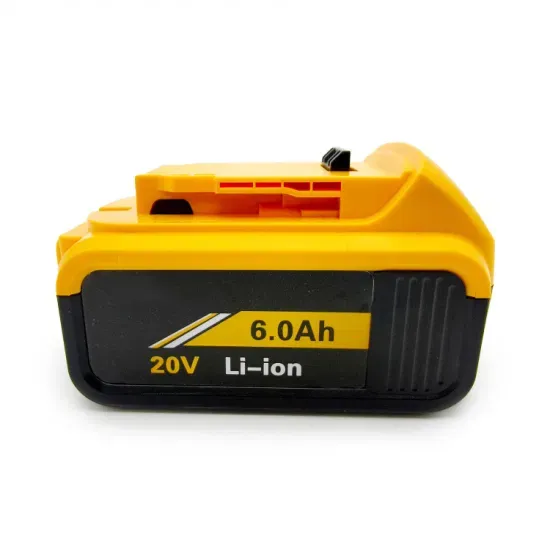
In this work we describe the development of cost and performance projections for utility-scale lithium-ion battery systems, with a focus on 4-hour duration systems. The projections are developed from an analysis of recent publications that include utility-scale storage costs. The suite of. . Battery Storage Costs Have Reached Economic Viability Across All Market Segments: With lithium-ion battery pack prices falling to a record low of $115 per kWh in 2024—an 82% decline over the past decade—energy storage has crossed the threshold of economic competitiveness. Utility-scale systems now. . According to China Report Hall's *2025-2030 China Energy Storage Industry Market Analysis and Prospect Forecast Report*, the past two years have seen structural cost declines in battery production. Phosphate iron lithium battery prices per watt-hour have decreased by approximately 45% since early. . According to data made available by Wood Mackenzie's Q1 2025 Energy Storage Report, the following is the range of price for PV energy storage containers in the market: Battery Type: LFP (Lithium Iron Phosphate) batteries are expected to cost 30% less than NMC (Nickel Manganese Cobalt) batteries by. . Developers and power plant owners plan to significantly increase utility-scale battery storage capacity in the United States over the next three years, reaching 30. 0 gigawatts (GW) by the end of 2025, based on our.
[PDF Version]
-
Saint lucia electric vehicle infrastructure
Since 2015, Saint Lucia has been a regional trailblazer in EV policy, becoming one of the first OECS member states to introduce incentives for electric vehicles—despite limited model availability at the time. . This project will further build on Governments' previous efforts to decarbonize the transportation sector by use of electric vehicles, as seen through the addition of three EVs to the Government fleet in 2017. The new EV chargers are strategically installed across the island to. . In keeping with the recent Paris Agreement on Climate Change, the Government of Saint Lucia is transitioning its fleet of vehicles from fossil fuel to electric. In 2015, the United Nations Economic Commission for Latin America and the Caribbean produced a report on transitioning the public sector. . Electric vehicles (EVs) are vehicles that are powered by electricity instead of traditional internal combustion engines (ICE). Charging Infrastructure: The. .
[PDF Version]
-
Congo electric vehicle infrastructure
Electric vehicles (EVs) are becoming more popular in Congo (Kinshasa), driven by the country's role as a top supplier of cobalt for EV batteries. While the local market is still developing, there are growing options for buyers, including various models, charging solutions . . The Democratic Republic of the Congo (DRC) is a country in Central Africa known for its rich deposits of copper, cobalt, zinc, lithium, oil and gold— all of which are essential to making the global clean energy transition. As companies globally look toward investing in a green future, particularly. . The mission of the Let's Go Congo Foundation is to promote sustainable development in the Congo by working with communities, businesses, and government partners to implement responsible mining practices, support the growth of the electric vehicle supply chain, and create economic opportunities for. . The Government of Kinshasa, the capital of the Democratic Republic of the Congo (DRC), and the Vietnamese conglomerate Vingroup have signed a Memorandum of Understanding to join forces on research and development of large-scale urban projects and green mobility.
[PDF Version]
-
Jamaica electric vehicle market
6Wresearch actively monitors the Jamaica Electric Vehicle Market and publishes its comprehensive annual report, highlighting emerging trends, growth drivers, revenue analysis, and forecast outlook. Our insights help businesses to make data-backed strategic decisions with ongoing. . As Jamaica accelerates its shift toward electric mobility, the role of regulation has never been more important. The transition to electric vehicles (EVs) is reshaping how we move, power our lives, and plan for the future. Guided by Government of Jamaica (GoJ) policy, the Office of Utilities. . Jamaica Electric Vehicle market currently, in 2023, has witnessed an HHI of 9258, Which has decreased moderately as compared to the HHI of 10000 in 2017. The market is moving towards Highly concentrated. According to the International Energy Agency (IEA), global EV sales grew in 2020, even while the rest of the vehicle mark t sales contracted by 19% from the economic fallout of the Coronavirus pandemic.
[PDF Version]
 MENU