
-
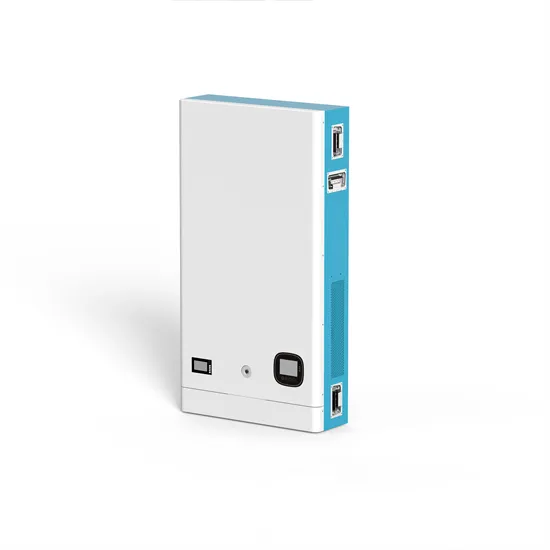
Pros and cons of corporate solar power generation
Commercial solar power offers financial and environmental perks for businesses, offset by considerations of initial costs, weather dependency, and installation space. This concise overview presents the key pros and cons, aiding companies in making an informed choice about solar. . So, to help you understand whether solar energy is right for you, we've put together a list of pros and cons specific to solar energy for businesses in our commercial solar panel guide. . As businesses seek to reduce costs, enhance sustainability, and meet growing energy demands, switching to solar energy can seem like a promising solution. . The cost of solar technology has steadily declined, making it increasingly feasible for homes and businesses. In order to make the best business decisions, it's important to have all the information available—both the positive and the negative.
[PDF Version]
-
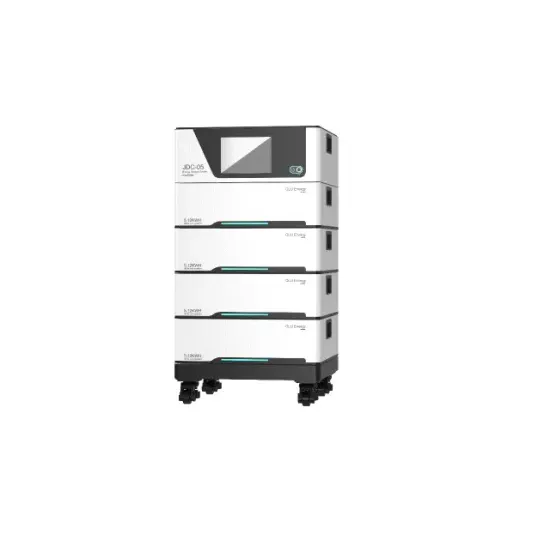
Which company makes the best 500kW solar container solar panels in Mogadishu
SOMNUUR Energy and Technology was founded in 2015 on the principles of making solar energy affordable reliable and accessible for everyone in Somalia. We are the best Solar and Renewable Energy Providers. At HASPP, we are driven by a passion for creating a sustainable future through renewable energy. . Pre-fabricated containerized solutions now account for approximately 35% of all new utility-scale storage deployments worldwide. North America leads with 40% market share, driven by streamlined permitting processes and tax incentives that reduce total project costs by 15-25%.
[PDF Version]
-
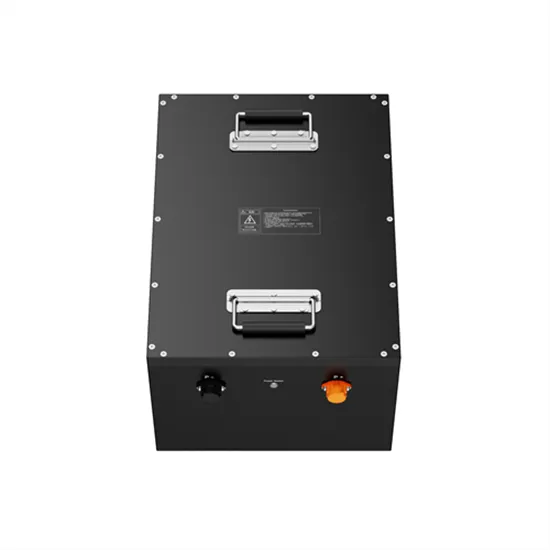
Price of single crystal high efficiency solar modules
The cost of monocrystalline solar panels varies depending on the size and brand. On average, the price can range from around $300 to over $1,000 per panel. Monocrystalline panels are known for their durability and longevity, making them a. . Do you need a solar panel that combines a high conversion rate of about 20% with better performance? Then consider monocrystalline panels.
[PDF Version]
-
Efficiency of 60-watt solar panels
A 60-watt solar panel can generate approximately 300 to 360 watt-hours of electricity per day under optimal conditions, depending on various factors that influence its efficiency. . This compact yet powerful device has been gaining popularity in the world of solar energy and for good reason. In this article, I will explore the benefits and uses of a 60 watt solar panel, as well as its impact on our environment and wallet. Several key aspects influence a solar panel's energy output, including environmental conditions, solar irradiance, and. . Since most modern panels operate at similar efficiency levels, a higher wattage panel is often just physically larger—not necessarily better quality. This means if you want to run your appliances effectively, you need to know how much juice they use.
[PDF Version]
-
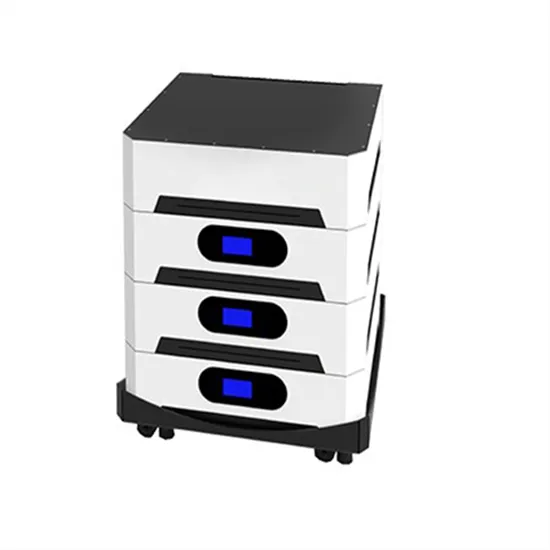
Which company is the best for monocrystalline silicon solar panels in Tajikistan
Welcome to our comprehensive overview of the top monocrystalline solar panel brands of today! If you are interested in harnessing the power of solar energy and exploring the best options available in the market, then you have come to the right place. The solar panel manufacturing industry employs various. . Primroot. com is a leading-edge professional solar panels & inverter manufacturer based in the high-tech hub of Shenzhen, China. Overall. . Companies involved in monocrystalline panel production.
[PDF Version]
-
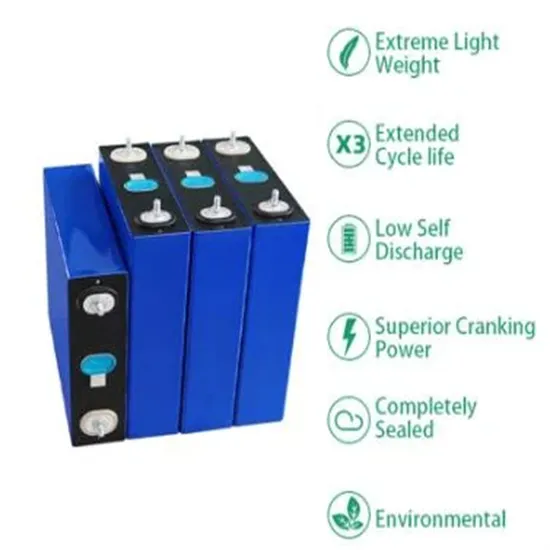
Analysis of the pros and cons of solar energy storage container equipment
This article explores the types, advantages, and disadvantages of these portable power solutions, as well as their practical applications—from providing emergency backup power to enhancing off-grid living and facilitating outdoor adventures. . Nov 12, 2025 · In conclusion, adding an energy storage system to a solar installation has several pros and cons that should be considered before making a decision. These turnkey solutions integrate solar panels, inverters, batteries, charge controllers, and monitoring systems into a single transportable unit that. . When choosing a solar storage container, prioritize energy capacity (kWh), battery chemistry (like lithium-ion or LFP), durability in outdoor conditions, and expandability for future needs.
[PDF Version]
 MENU