
-
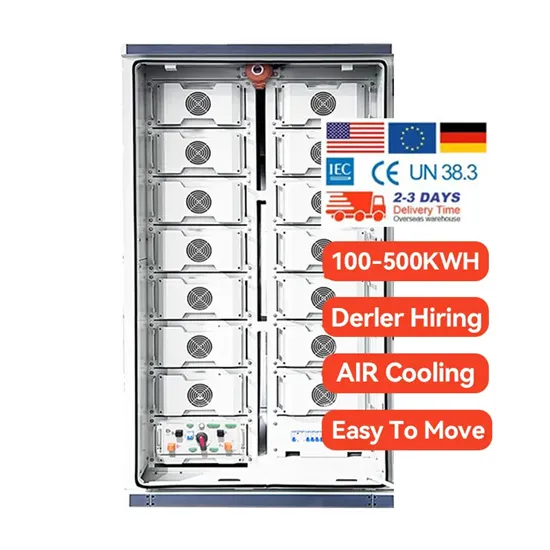
New regulations for electrochemical energy storage
The 2026 edition of NFPA 855: Standard for the Installation of Stationary Energy Storage Systems has now been released, continuing the rapid evolution of safety requirements for battery energy storage systems (BESS). Provides guidance on the design, construction, testing, maintenance, and operation of thermal energy storage systems, including but not limited to phase change materials and solid-state energy storage media, giving. . Engineering Fire Protection (EFP) is a fire protection engineering and code consulting company. We offer a comprehensive, integrated set of risk management services for every building type and on every continent. © 2020 Engineering Fire Protection, LLC. Applying to all energy storage technologies, rements along with references to specific sections in NFPA 855. The International Fire Code (IFC) has its own provisions for ESS in Se ready underway, with 26 Task Groups addressing specific. . Search.
[PDF Version]
-
Energy storage regulations alofi
Summary: This article explores Alofi's outdoor power policy framework, its implications for renewable energy adoption, and actionable strategies for businesses. Ever wondered how small. . Flexibility from technologies such as electricity storage could save up to ?10 billion per year by 2050 by reducing the amount of generation and network needed to decarbonise and create 24,000 jobs. Electricity storage covers a range of technologies that store low carbon energy for when it is. . perspective of total factor productivity (TFP). The results unveil that government ore than 5 GWhof energy storage in the country. As of 2018, the energy storage system is still gradually increasing, with a total installed grid c pacity. . Batteries (in particular,lithium-ion batteries),supercapacitors,and battery-supercapacitor hybrid devices are promising electrochemical energy storage devices. As the industry continues to evolve, it is essential to understand the importance of these codes and. .
[PDF Version]
-
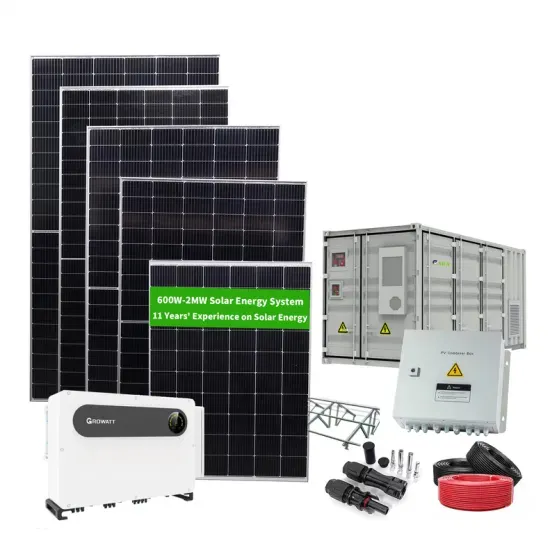
Energy storage regulations haiti
Well, the government's 2025 National Energy Security Initiative finally answers this. Let's unpack how policy and technology are converging to make this. . This is the Energy Report Card (ERC) for 2023 for Haiti. The ERC also includes sectoral data and information on policies and regulations; workforce; training and capacity building; and related areas. Embassies worldwide by Commerce Department, State Department and other U. Various regions have introduced investment subsidies for energy storage projects. For example, in Zhejiang Province, for photovoltaic power projects with an installed capacity greater than 1000 kW, there was a one-time. . Latest regulations on haiti s power grid gically integrate resilience into its energy system planning. In the wake of the scandal,the struggle to provide Haiti's 11 million people with reliable energy - and the desire to attract foreign investment to do so - has taken on an evermore politicall time tapping into the North American market.
[PDF Version]
-
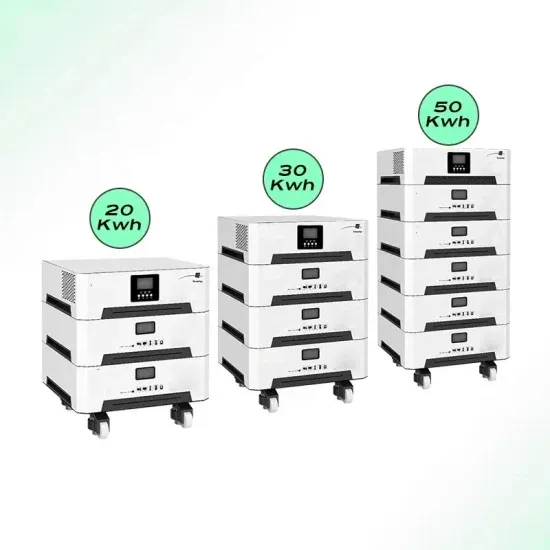
Energy storage system installation deadline regulations
This document offers a curated overview of the relevant codes and standards (C+S) governing the safe deployment of utility-scale battery energy storage systems in the United States. . The residential chapter of NFPA 855 addresses the installation of residential ESS units between 1kwh and 20 kwh. After individual units exceed 20kWh it will be treated the same as a commercial installation and must comply with the requirements of the rest of the standard. There are also limitations. . These regulations, which often work in tandem with NEC Article 705 for interconnection and Article 480 for storage batteries, are essential knowledge for any professional performing electrician training or installing modern power systems.
[PDF Version]
-
How much does a 5MWh energy storage container cost in Benin China
5M for a turnkey 5MWh lithium battery energy storage system (price may vary with inverter, EMS, site work). Liquid-cooled designs may cost slightly more but offer higher energy density, longer lifespan, and better thermal stability. . Reference range: USD 1. . With 45% of Benin's population still lacking grid access (World Bank 2023), mobile power solutions have become energy lifelines for: "Our 500kVA containerized system reduced diesel costs by 40% for a cotton processing plant in Parakou," reports EK SOLAR's lead engineer Mohamed Diallo. The research firm said this was the highest annual drop since its survey launched in 2017. At the same time, when the load is low, photovoltaic power generation can be stored in the energy. . Major projects now deploy clusters of 20+ containers creating storage farms with 100+MWh capacity at costs below $280/kWh. Technological advancements are dramatically improving solar storage container performance while reducing costs.
[PDF Version]
-
UK container energy storage regulations
This guidance document is primarily tailored to 'grid scale' battery storage systems and focusses on topics related to health and safety. They can then later. . created major issues for power distribution and energy security. Not only is there a requirement for massive changes to cable and sub-station infrastructure to distribute the electricity from these additional sources, but because renewable power is intermittent and not very predictable it is now. . The term used to describe the energy generating mechanism that converts light into electrical energy. RACI: Responsible, Accountable, Consulted and Informed. For businesses, energy storage can offer a range of benefits, including: Reduced energy costs: Energy storage can be used to store. . One area under scrutiny is battery energy storage solutions (BESS), a crucial component of the renewable energy infrastructure needed to stabilise grids and facilitate the transition to low-carbon energy sources.
[PDF Version]
 MENU