
-
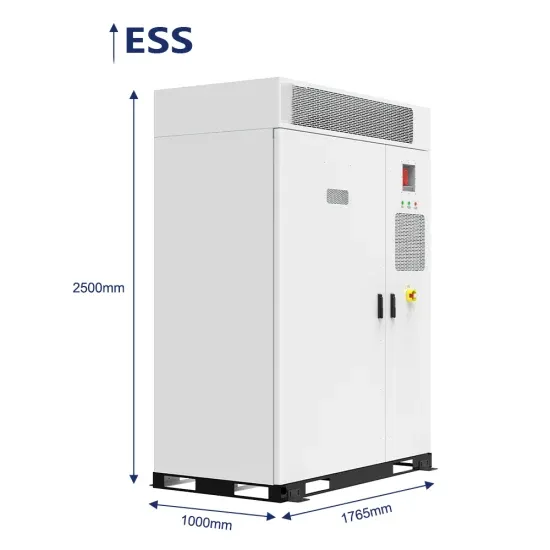
Energy Storage Industry New Energy Project Report
The US Energy Storage Monitor is a quarterly publication of Wood Mackenzie Power & Renewables and the American Clean Power Association (ACP). Each quarter, new industry data is compiled into this report to provide the most comprehensive, timely analysis of energy storage in the US. All forecasts. . by an agency of the U. Government nor any agency thereof, nor any of their employees, makes any warranty, expressed or implied, or assumes any legal liability or responsibility for the accuracy, completeness, or usefulness, of any information, apparatus, product, or. . Battery storage in the power sector was the fastest growing energy technology in 2023 that was commercially available, with deployment more than doubling year-on-year. Strong growth occurred for utility-scale battery projects, behind-the-meter batteries, mini-grids and solar home systems for. . The energy storage sector maintained its upward trajectory in 2024, with estimates indicating that global energy storage installations rose by more than 75%, measured by megawatt-hours (MWh), year-over-year in 2024 and are expected to go beyond the terawatt-hour mark before 2030. Instead, they will be relying on market mechanisms, introducing. .
[PDF Version]
-
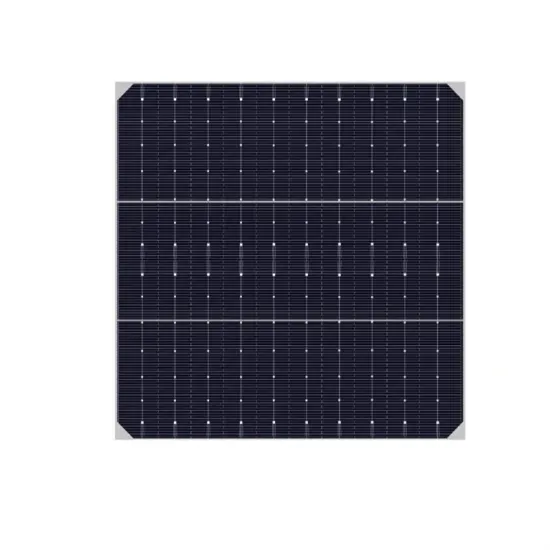
Cost of energy storage cabinets for heavy industry in Iceland
The study emphasizes the importance of understanding the full lifecycle cost of an energy storage project, and provides estimates for turnkey installed costs, maintenance costs, and battery. The study emphasizes the importance of understanding the full lifecycle cost of an energy storage project, and provides estimates for turnkey installed costs, maintenance costs, and battery. From solar farms in Arizona to wind projects in Norway, the cost of energy storage containers has become the make-or-break factor for renewable energy adoption. We have extensive manufacturing experience covering services such as battery enclosures, Energy Storage Cabine, Battery Storage Cabinet. . With 97% of its electricity generated from hydropower and geothermal sources [1], Iceland's energy grid is greener than a moss-covered lava field. Yet, as the country aims to decarbonize sectors like transportation and heavy industry, energy storage battery prices in Iceland have become a critical. . The National Electric Power Company (ENEE) has selected a Chinese-Honduran consortium to design, supply, install, test, and commission a grid-connected battery energy storage system (BESS) at the Amarateca substation in the department of Francisco Morazán. Discover how geothermal integration and innovative battery. .
[PDF Version]
-

Zambia island new energy storage industry chain
Here's where Zambia's new energy storage companies enter the stage. Startups like PowerZed and SolarEdge Africa are deploying battery systems that could store excess solar energy during peak hours. Key economic indicators FIGURE 2. Competitiveness. . The country's energy storage sector grew 42% faster than the African average last year, according to the latest data from the International Renewable Energy Agency [5]. This campaign is. . The Zambian government has set a target to increase its installed solar and wind capacity to 600 MW by 2030. However, the current installed capacity for solar photovoltaics is only 90 MWp, indicating significant underutilisation of Zambia's potential in the renewable energy sector. Why is this resource-rich nation struggling to keep lights on? The answer lies in its overreliance on hydropower (85% of electricity mix) and climate change-induced. .
[PDF Version]
-
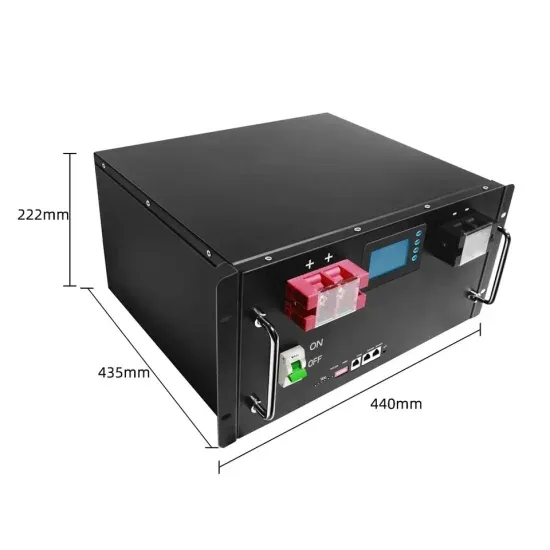
Optical solar energy storage cabinet system industry chain
This definitive report equips CEOs, marketing directors, and investors with a 360° view of the global Commercial and Industrial Energy Storage Cabinet System market, seamlessly integrating production capacity and sales performance across the value chain. . The Commercial and Industrial Energy Storage Cabinet System market is experiencing robust growth, driven by the increasing adoption of renewable energy sources, stringent emission regulations, and the rising demand for reliable power backup in critical infrastructure sectors. **Telecommunications** stands as the dominant driver, with 5G network expansion demanding reliable backup power. This trend is further supported by government initiatives aimed at promoting clean energy technologies, which are. .
[PDF Version]
-
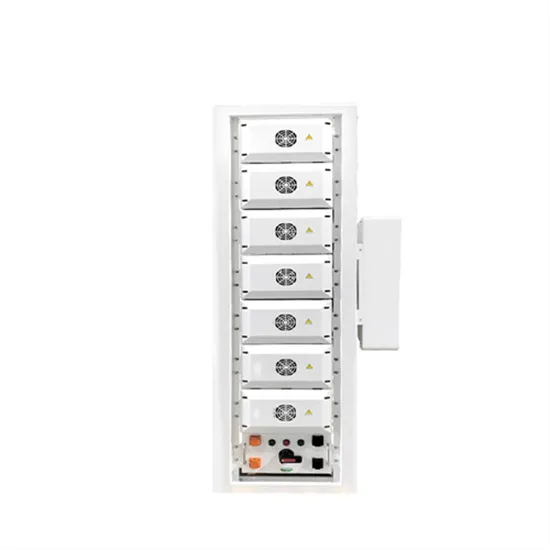
Energy storage system for water conservancy industry
This report covers the following energy storage technologies: lithium-ion batteries, lead–acid batteries, pumped-storage hydropower, compressed-air energy storage, redox flow batteries, hydrogen, building thermal energy storage, and select long-duration energy. . This report covers the following energy storage technologies: lithium-ion batteries, lead–acid batteries, pumped-storage hydropower, compressed-air energy storage, redox flow batteries, hydrogen, building thermal energy storage, and select long-duration energy. . Water conservancy energy storage systems play an instrumental role in harnessing renewable energy. Transforming kinetic energy from moving water into electricity represents a pivotal development in the global energy landscape. The $33 billion energy storage industry [1] offers multiple solutions that actually complement water management needs: Modern pumped hydro isn't your grandfather's. . as a reservoir for small-scale pumped storage units. Therefore, it is suggested to explore the optimal scheduling of surplus wind and solar energy, with the capability of sto in tool to reach a sustainable use of water resources. Efficient solutions related to energy lar energy and seawater. . That's exactly what new energy storage equipment brings to water conservancy projects – and it's revolutionizing how we think about hydropower. Why do. . As part of the U. The ESGC Roadmap provides options for. .
[PDF Version]
-
Italy energy storage industry
As solar and wind installations proliferate across the peninsula, batteries are becoming essential to unlocking their full potential and Italy is quietly building one of Europe's most dynamic energy storage markets. In recent years, Italy has made strides in integrating. . The storage network like blood, which transports, stores and distributes this energy throughout the body. In a cycle that allows energy to flow without interruption, and cover all demand. Energy storage systems are a strategic asset to guarantee security and flexibility to the national electricity. . PNIEC aims for renewables to contribute to 40% of gross final energy consumption by 2030 (they currently account for less than 20% of that total), and specifically to make up 65% of electricity consumption by 2030 (they currently account for about 35% of that total). Additionally, platform convergence—where energy generation, storage, and digital services integrate into unified ecosystems—is creating new value. . Italy is the second-largest energy storage market in Europe. In the first nine months of 2024, it added 1. Italy's storage capacity is expected to grow from 3. 0 USD Million by 2035, exhibiting a compound annual growth rate (CAGR) of 7.
[PDF Version]
 MENU