
-
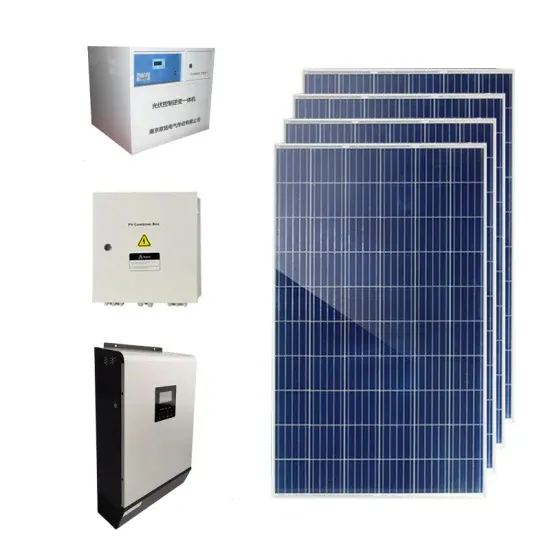
Cost of a 2MW lithium battery cabinet for a battery swapping station
For a 2MW (2,000 kilowatts) battery storage system, if we assume an average battery cell cost of $0. **Battery Cost**: The battery is the core component of the energy storage system, and its cost accounts for a. . PSN Energy lithium battery swapping cabinet is a specialized piece of equipment used in battery swapping stations for electric vehicles. These cabinets are designed to store and manage lithium-ion batteries used in electric vehicles, allowing for quick and efficient battery swapping as an. . 16-year professional lithium ion battery manufacturers, 10-year warranty on swapping battery packs, using the best BMS protection board, protecting the lithium battery pack from overcharge, overdischarge, overcurrent, short circuit, etc, with excellent self-discharge rate. Land acquisition and preparation costs vary widely based on location, requiring 0.
[PDF Version]
-
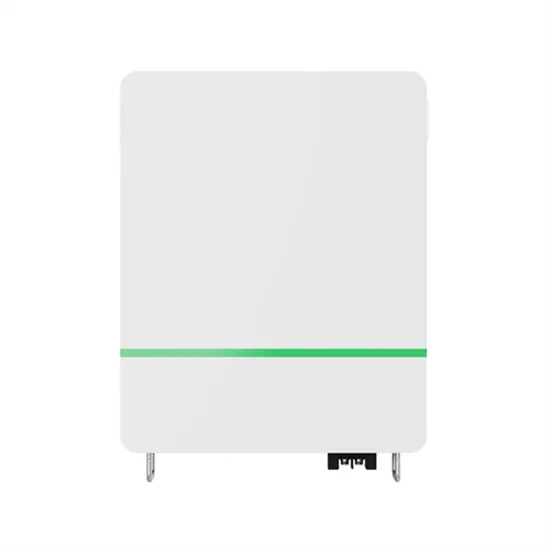
Communication base station battery system
Most telecom base stations use 48V battery systems, while some legacy or hybrid sites may have 24V configurations. Lithium systems can be integrated into these architectures with proper BMS and charge control, providing longer life, reduced weight, and lower maintenance. . In modern power infrastructure discussions, communication batteries primarily refer to battery systems that ensure uninterrupted power in telecom base stations and network facilities, rather than consumer or handheld communication devices. Users can use the energy storage system to discharge during load peak periods and charge from the grid during low load periods, reducing peak load demand and saving electricity. . For base stations located in deserts or other extreme environments, independent power supply is essential, as these areas are not only beyond the reach of power grids but also unsuitable for fuel generators due to the lack of on-site personnel for maintenance. In such cases, energy storage systems. . When natural disasters cut off power grids, when extreme weather threatens power supply safety, our communication backup power system with intelligent charge/discharge management and military-grade protection becomes the "second lifeline" for base station equipment. However, the efficiency, reliability, and safety. .
[PDF Version]
-
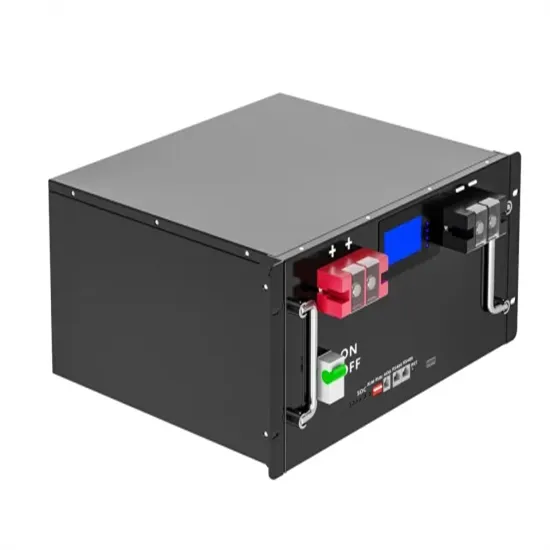
How powerful is the battery energy storage system for the Democratic Republic of Congo s communication base station
Next-generation battery management systems maintain optimal operating conditions with 45% less energy consumption, extending battery lifespan to 20+ years. Standardized plug-and-play designs have reduced installation costs from $85/kWh to $40/kWh since 2023. . Congo produce lithium-ion battery cathode precursor materials? London and K nshasa, November 24, 2021 - The Democratic Republic of signaled their intention to process the raw materials local y. As a first step, they want to set up a speci e energy efficiency and support sustainable power. . It accounts for almost two-thirds of global cobalt production; this gives it a crucial role in global clean energy transitions. How much would a DRC plant cost? This is three. . In the Democratic Republic of the Congo (DRC), several pioneering renewable energy storage initiatives stand out as exemplars of innovation, including Project 1: Inga Dam Complex, recognized for its significant hydroelectric capacity, Project 2: Solar Power Storage Systems, which harnesses sunlight. .
[PDF Version]
-
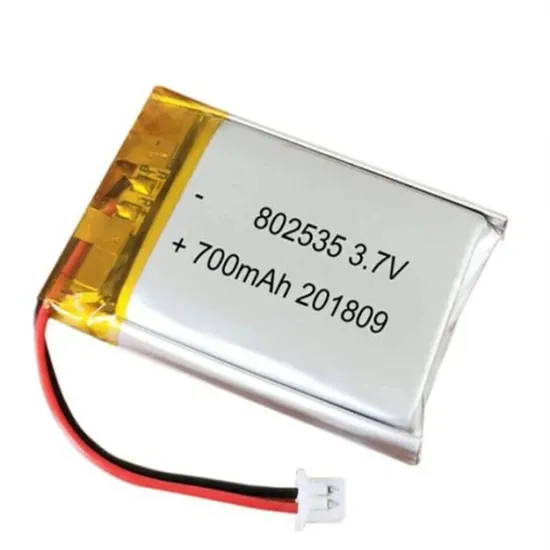
How to configure the battery of communication base station
In this article, we provide a complete guide to building your DIY battery bank based on our experience designing systems for off-grid projects. . Among various battery technologies, Lithium Iron Phosphate (LiFePO4) batteries stand out as the ideal choice for telecom base station backup power due to their high safety, long lifespan, and excellent thermal stability. This guide outlines the design considerations for a 48V 100Ah LiFePO4 battery. . Aiming at the voltage and current measurement for battery banks in mobile communication base station, according to voltage characteristics of wide common-mode range, three methods including sampling with resistors, converting with analog optical coupler and differential subtractor based on. . How to configure and use base station energy storage batteries How to configure and use base station energy storage batteries Explore an in-depth guide to safely charging and discharging Battery Energy Storage Systems (BESS).
[PDF Version]
-
Base station solar container battery storage
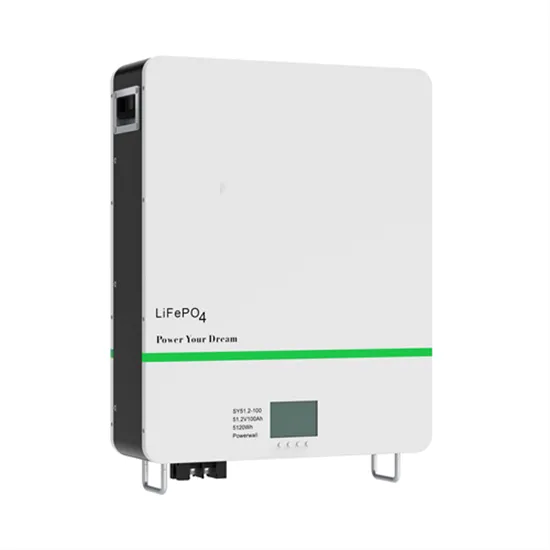
These systems consist of a battery bank, power conversion equipment, and control systems that work together to store energy from various sources such as solar panels, wind turbines, or the grid. BESS can be used for a variety of applications, including peak shaving, load. . A Containerized Battery Energy Storage System (BESS) is rapidly gaining recognition as a key solution to improve grid stability, facilitate renewable energy integration, and provide reliable backup power. These rugged, self-contained systems integrate large solar arrays, advanced battery storage, and high-capacity fuel cells — with optional diesel redundancy when regulatory or client. . The battery energy storage container is revolutionizing how industries and utilities store and manage energy. Get ahead of the energy game with SCU! 50Kwh-2Mwh What is energy storage container? SCU. .
[PDF Version]
-
Nickel-cadmium battery to lithium battery station cabinet
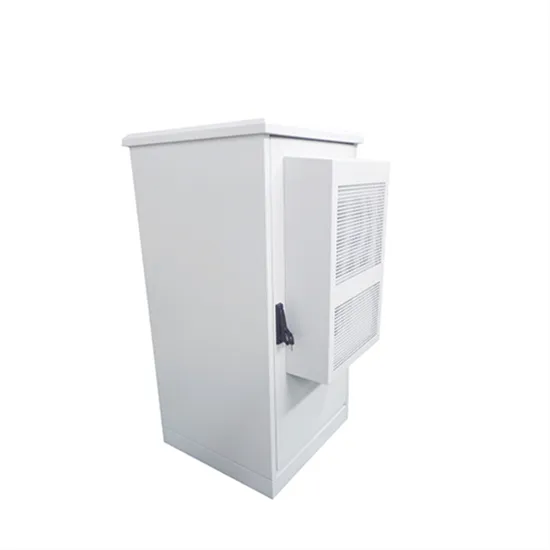
Designed for facilities handling rechargeable batteries—such as lithium-ion, nickel-cadmium, and lead-acid units—our cabinets provide a centralized solution for both secure storage and safe charging of battery systems across industrial and commercial applications. . Abstract – The rapid advancement and adoption of lithium-ion batteries in battery electric vehicles and battery energy storage systems has people considering replacing their existing lead-acid and nickel-cadmium stationary batteries with lithium-ion. The potential space and weight savings can be. . Protect your facility and your team with Securall's purpose-built Battery Charging Cabinets —engineered for the safe storage and charging of lithium-ion, lead-acid, and other rechargeable batteries. Securall understands the critical risks associated with modern energy storage. Our battery charging. . Lead-acid battery is a type of secondary battery which uses a positive electrode of brown lead oxide (sometimes called lead peroxide), a negative electrode of metallic lead and an electrolyte of sulfuric acid (in either liquid or gel form). Made with a proprietary 9-layer ChargeGuard™ system that helps minimize potential losses from fire, smoke, and explosions caused by Lithium batteries. Place Batteries in rack with alternating polarity, starting with negative to the outside of the engine on front most cell.
[PDF Version]
 MENU