
-
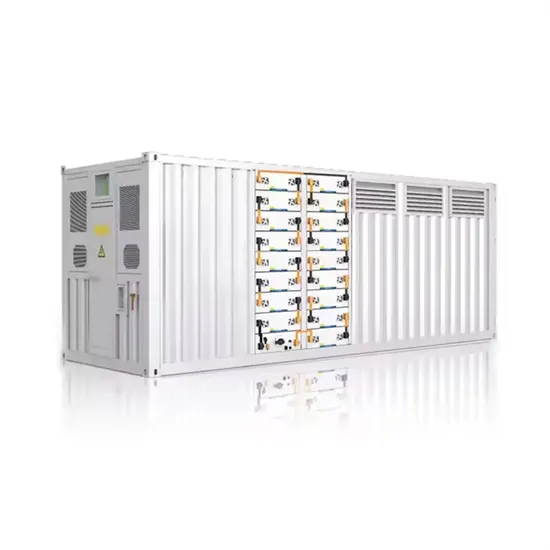
Large-scale energy storage battery system application
A deeper discussion of system architecture and grid value is covered in this guide on large-scale battery energy storage systems and grid applications: Key Applications of Utility Scale BESS Utility-scale BESS supports a wide range of grid services:. A deeper discussion of system architecture and grid value is covered in this guide on large-scale battery energy storage systems and grid applications: Key Applications of Utility Scale BESS Utility-scale BESS supports a wide range of grid services:. Utility-scale battery energy storage systems (BESS) are a foundational technology for modern power grids. Unlike residential or commercial-scale storage, utility-scale systems operate at multi-megawatt (MW) and multi-megawatt-hour (MWh) levels, delivering grid-level flexibility, reliability, and. . A battery container is a containerised battery energy storage system (BESS). Inside a robust enclosure, it integrates: The container protects the system from external conditions and allows it to be deployed outdoors, close to where energy is generated or consumed. Battery containers are typically. . A battery energy storage system (BESS), battery storage power station, battery energy grid storage (BEGS) or battery grid storage is a type of energy storage technology that uses a group of batteries in the grid to store electrical energy. Battery storage is the fastest responding dispatchable. .
[PDF Version]
-
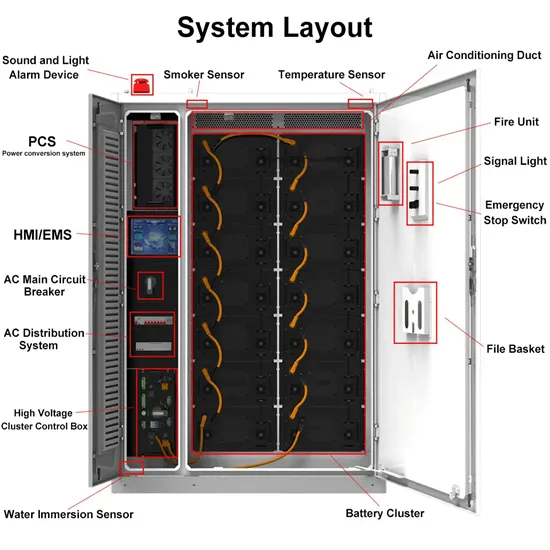
Price quote for 19-inch energy storage battery cabinets for US factories
Let's cut to the chase: battery energy storage cabinet costs in 2025 range from $25,000 to $200,000+ – but why the massive spread? Whether you're powering a factory or stabilizing a solar farm, understanding these costs is like knowing the secret recipe to your grandma's famous. . Let's cut to the chase: battery energy storage cabinet costs in 2025 range from $25,000 to $200,000+ – but why the massive spread? Whether you're powering a factory or stabilizing a solar farm, understanding these costs is like knowing the secret recipe to your grandma's famous. . The market for 19-inch battery cabinets is expanding rapidly, driven by the global surge in telecommunications infrastructure, renewable energy adoption, and data center growth. Current estimates value this niche market in the billions, with projections indicating a compound annual growth rate. . Lightweight & Durable: Lighter than lead-acid batteries and built to handle rough roads and harsh weather. We'll break. . A 19-inch battery cabinet is a standardized enclosure designed to house battery systems in various industrial, commercial, and telecommunications applications. These cabinets are engineered to meet the 19-inch rack standard, ensuring compatibility with existing rack-mounted infrastructure. But how do you determine their price? This guide breaks down the key factors, industry trends, and actionable formulas to calculate costs effectively.
[PDF Version]
-
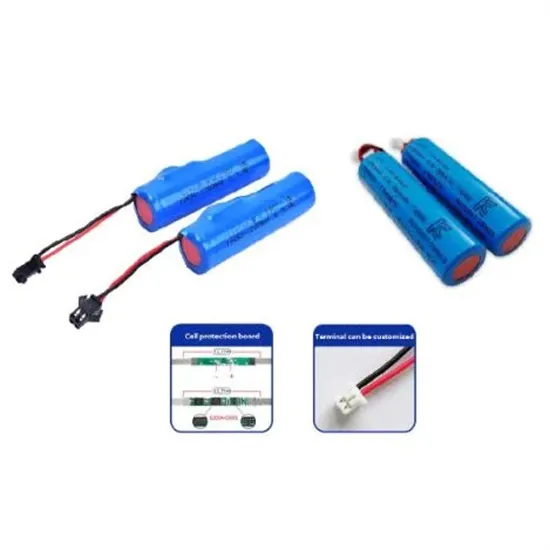
Energy storage battery storage management system
This guide explains what a battery energy storage system is, why it matters and how it fits across generation, transmission and behind-the-meter applications. However, fires at some BESS installations have caused concern in communities considering BESS as a. . Battery energy storage systems (BESS) are reshaping how the power system delivers reliability, flexibility and value. By balancing variable renewable generation, providing rapid frequency response and shaving peaks, a battery energy storage system sits at the center of modern grid strategy and. . This paper provides a comprehensive review of battery management systems for grid-scale energy storage applications. Yet, the true star ensuring these batteries work safely, efficiently, and long-term isn't the battery cells. .
[PDF Version]
-
Large-scale installment payment for mobile energy storage battery cabinets for campsites
They provide loans up to $75,000 for battery storage and up to $135,000 for bundled solar and battery systems. Leases and PACE Financing: Full system leases and Property Assessed Clean Energy (PACE) programs allow homeowners to access energy storage systems with lower upfront costs. . This battery storage update includes summary data and visualizations on the capacity of large-scale battery storage systems by region and ownership type, battery storage co-located systems, applications served by battery storage, battery storage installation costs, and small-scale battery storage. . Yes, there are various financing options available for energy storage systems. The projections are developed from an analysis of recent publications that include utility-scale storage costs. The suite of. . These incentives reduce upfront cost and improve return on investment for home battery or portable solar generator setups; eligibility varies by size, location and installation details. Battery energy storage systems (BESS), including home battery backups and portable power stations, are. . Battery storage lowers costs and boosts resilience. Discover how PowerFlex helps you navigate incentives and optimize ROI. In this article, we will unpack some of the. .
[PDF Version]
-
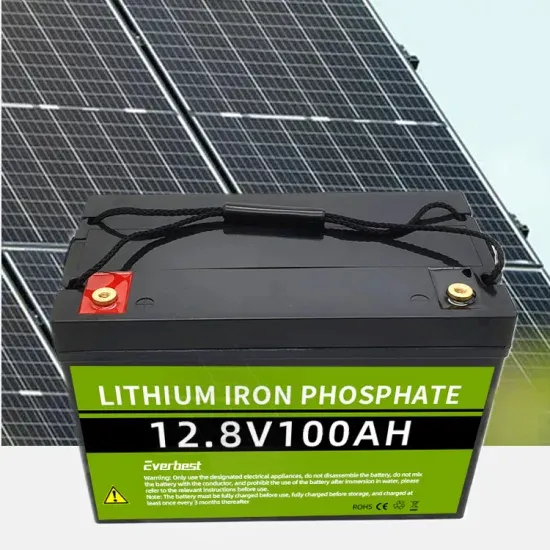
Commercial energy storage lithium battery price table
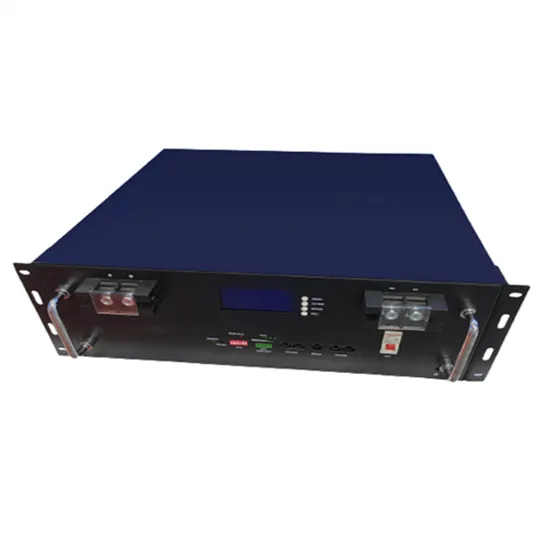
In 2025, the typical cost of commercial lithium battery energy storage systems, including the battery, battery management system (BMS), inverter (PCS), and installation, ranges from $280 to $580 per kWh. Larger systems (100 kWh or more) can cost between $180 to $300 per kWh. . The 2024 ATB represents cost and performance for battery storage across a range of durations (1–8 hours). It represents only lithium-ion batteries (LIBs)—those with nickel manganese cobalt (NMC) and lithium iron phosphate (LFP) chemistries—at this time, with LFP becoming the primary chemistry for. . All-in BESS projects now cost just $125/kWh as of October 2025 2. With a $65/MWh LCOS, shifting half of daily solar generation overnight adds just $33/MWh to the cost of solar This report provides the latest, real-world evidence on. . Cost and performance metrics for individual technologies track the following to provide an overall cost of ownership for each technology: end-of life costs. These metrics are intended to support DOE and industry stakeholders in making sound decisions about future R&D directions and priorities that. . Discover the latest lithium battery energy storage prices and industry trends in 2024. This guide breaks down cost factors, regional pricing variations, and application-specific solutions to help businesses and households make informed decisions. From a manufacturer's perspective, the final price tag is a sum of high-quality components. .
[PDF Version]
-
Energy storage soft pack lithium battery
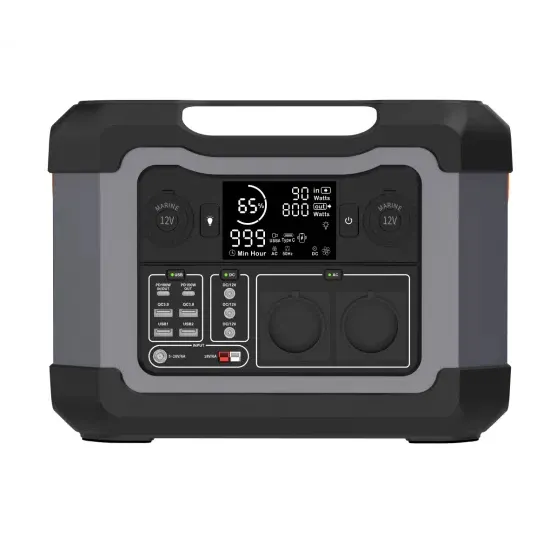
A soft pack lithium ion battery uses a flexible polymer shell, which gives you a lightweight and adaptable power source. You benefit from a design that stores energy through lithium ions moving between the battery's electrodes. Unlike traditional cylindrical or prismatic batteries, soft pack batteries feature a thin, pouch-like structure that offers design flexibility and. . ENOV High-Energy drone batteries power industrial and commercial drones. Delivering 220–320 Wh/kg energy density, they enable long flight times (30+ mins) and support fast charging (2C). Perfect for aerial photography, surveillance, and delivery drones. 347 Billion in 2025 and is projected to reach USD 3. 2% during the forecast period (2026–2034). This remarkable growth is propelled by the. . Soft pack batteries – the flexible powerhouses quietly revolutionizing energy storage. Who's Reading This? (Hint: It's Probably. .
[PDF Version]
 MENU