
-
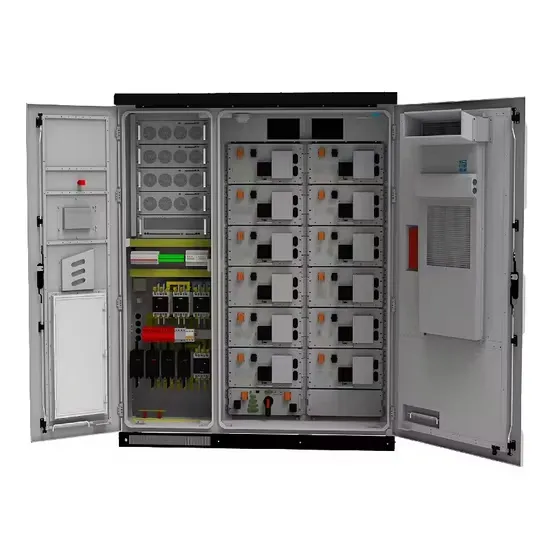
New energy liquid cooling solar battery cabinet cabinet outdoor site
This integrated outdoor cabinet features lithium iron phosphate (LFP) batteries, modular PCS, EMS, power distribution, fire protection, and an advanced liquid cooling system that enhances thermal stability and prolongs battery life. . Featuring superior cooling efficiency for extended 10-year lifespan, it enables critical equipment UPS protection and significant bill reduction through intelligent load shifting. Introducing the Advanced 86-241KWH Outdoor Liquid-Cooled Battery Energy Storage Cabinet Engineered for demanding. . The Sunway 100kW/232kWh Liquid-Cooled Energy Storage System is designed to deliver reliable performance in commercial, industrial, and utility-scale settings. It can store electricity converted from solar, wind and other renewable energy sources. Engineered for reliability and performance, it provides a durable and efficient enclosure for. . MEGATRON 1500V 344kWh liquid-cooled and 340kWh air cooled energy storage battery cabinets are an integrated high energy density, long lasting, battery energy storage system. Each battery cabinet includes an IP56 battery rack system, battery management system (BMS), fire suppression system (FSS). .
[PDF Version]
-
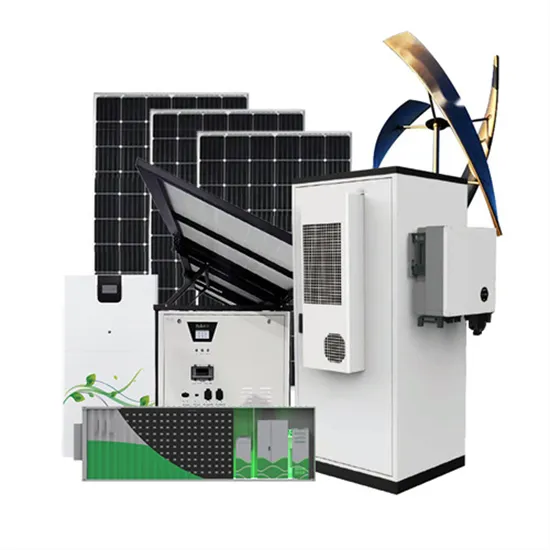
Liquid cooling of solar battery cabinet cabinet
The liquid cooling battery cabinet is a distributed energy storage system for industrial and commercial applications. It can store electricity converted from solar, wind and other renewable energy sources. With liquid cooling technology, it is cost-effective and easy to maintain and. . A pivotal innovation addressing this challenge is the Liquid Cooling Battery Cabinet, an engineered solution designed to push the boundaries of efficiency, safety, and lifespan for modern energy storage. Have. . Shenzhen RePower Times Technology Co. Commercial energy storage system solutions in the era of human energy include. . Featuring superior cooling efficiency for extended 10-year lifespan, it enables critical equipment UPS protection and significant bill reduction through intelligent load shifting.
[PDF Version]
-
Solar container liquid cooling new energy
The new benchmark for utility-scale projects is no longer 3 or 4 megawatt-hours per container—it's 5MWh and beyond. This leap isn't just about packing more cells into a box; it's a fundamental re-engineering that hinges on one critical technology: high-density liquid cooling BESS. BESS manufacturers are forgoing bulky, noisy and energy-sucking HVAC systems for more dependable coolant-based options. An. . In 2025, BESS Container Modular Liquid Cooling has arrived to rescue your investment. Think of it as BESS with a superhero upgrade: modular design lets you scale like detachable Lego (79% cheaper expansion, 75% faster installs), while liquid cooling gives batteries a spa-level thermal boost (60%. . GSL Energy is a leading provider of green energy solutions, specializing in high-performance battery storage systems. Our liquid cooling storage solutions, including GSL-BESS80K261kWh, GSL-BESS418kWh, and 372kWh systems, can expand up to 5MWh, catering to microgrids, power plants, industrial parks. . With global energy storage capacity projected to reach 741 GWh by 2030 (BloombergNEF), efficient thermal management has become critical. Liquid cooling outperforms traditional air cooling with: A 100MWh solar storage facility in Arizona achieved: Liquid cooling enables: "The precision of. .
[PDF Version]
-
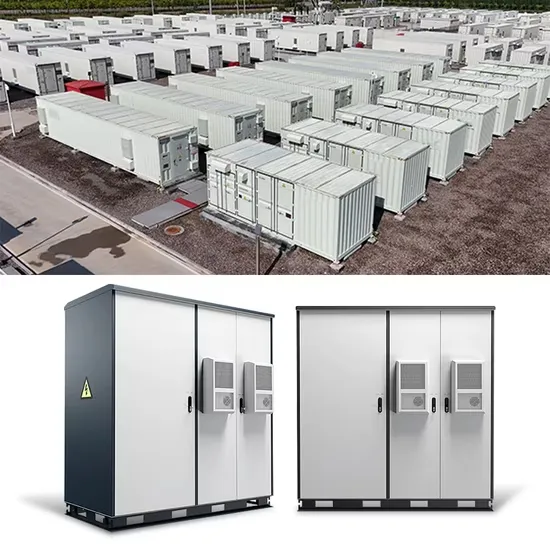
US Mobile Energy Storage Liquid Cooling
Liquid-cooling integrated mobile energy storage vehicles are advanced power solutions that combine energy storage systems with liquid cooling technology. These vehicles efficiently store and distribute electricity while ensuring optimal thermal management through their cooling. . Early Liquid Cooling (~3. 72MWh): Introducing liquid cold plates allowed for tighter cell packing by more efficiently pulling heat away. Liquid was an advantage, improving lifespan and consistency. Overseas Success Cases Against. . Liquid Cooling 100kW / 215kWh、60kW / 129kWh •Suitable for grid-connected applications with batch vehicle charging needs •Priority should be given to local consumption for solar power generation, followed by energy storage and charging •The system has a high comprehensive energy efficiency and. . The global liquid-cooling integrated mobile energy storage vehicles market size was valued at USD 901 million in 2024. The market is projected to grow from USD 1. 31 billion by 2032, exhibiting a CAGR of 16. By circulating liquid coolant directly through or around battery modules, these systems maintain optimal operating temperatures—offering significant advantages over. . Liquid cooling in ESS involves circulating a liquid coolant, such as water, glycol mixtures, or dielectric fluids, to absorb and dissipate heat generated by battery cells during charge-discharge cycles.
[PDF Version]
-
Huawei energy storage liquid cooling energy storage cabinet
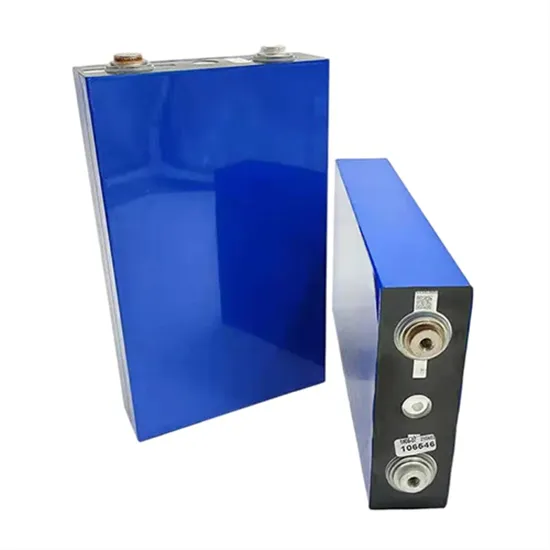
The HUA POWER Liquid Cooling Cabinet BESS offers a complete high-capacity energy storage solution for large-scale grid and renewable energy projects. With configurable capacity from 110kW/233kWh to 250kW/522kWh, this system delivers excellent performance, reliability, and. . AI applications, high-performance computing, and GPU servers have driven the power consumption of a data center rack as high as 20 kW, 30 kW, or even 50 kW. This increase in power density has posed an unprecedented challenge to conventional cooling systems. To address this challenge, Huawei. . Huawei Digital Power has launched the FusionSolar C&I LUNA2000-215-2S10 Energy Storage System, designed to meet the dynamic demands of the commercial and industrial (C&I) energy storage sector across the country. It comes with several benefits and offers a circulation efficiency of 91. 3% alongside a reliable user experience. Dissipates heat for IT cabinets.
[PDF Version]
-
Energy storage liquid cooling system cost calculation
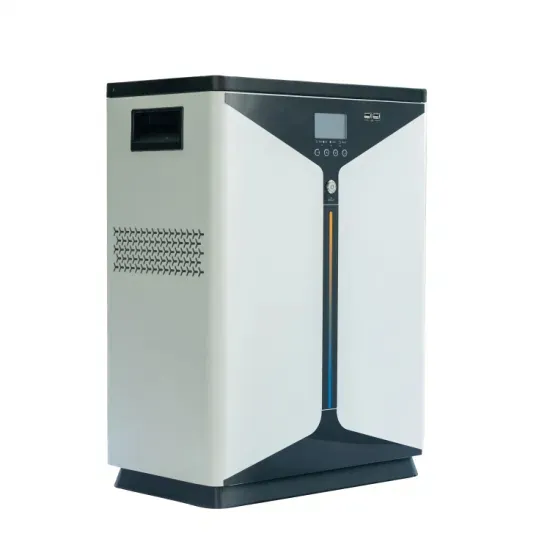
When evaluating liquid cooling energy storage pack cost, prices typically range between $200-$500 per kWh depending on system scale and configuration. Industrial-grade solutions often start at $150,000 for 500 kWh capacity, with costs decreasing as capacity increases. . This article breaks down the cost factors, compares pricing models, and explores how innovations like EK SOLAR's modular designs are reshaping the market. In this study, a liquid-cooled thermal management system is used for an energy storage. . Energy Storage Cost Calculator is Aranca's proprietary decision-support tool designed to empower energy sector stakeholders with deep insights into storage technology economics. It enables realistic and accurate Levelized Cost of Storage (LCOS) calculations by integrating detailed technical and. . Load Shifting: This involves capturing power during periods of low demand and releasing it during peak times, effectively managing costs and reducing strain on the network.
[PDF Version]
 MENU