
-
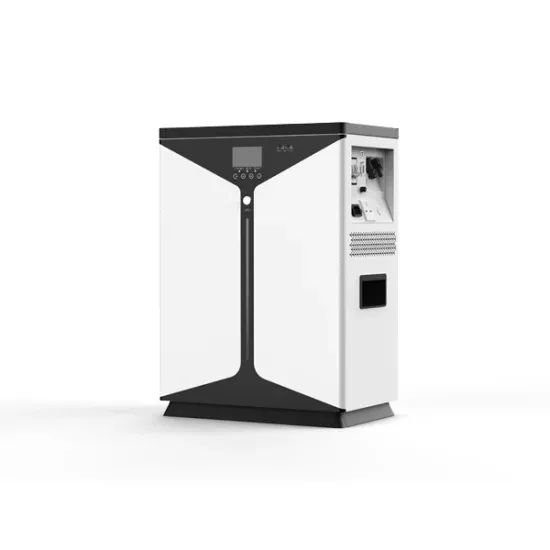
How long should the battery cabinet be for base station
According to SS-EN-1363-1 testing standards, a reliable cabinet must contain an internal fire for at least 90 minutes. . Batteries of the unsealed type shall be located in enclosures with outside vents or in well ventilated rooms and shall be arranged so as to prevent the escape of fumes, gases, or electrolyte spray into other areas. Ventilation shall be provided to ensure diffusion of the gases from the battery and. . Installing a battery energy storage system is a significant step toward energy independence. To ensure your system operates safely and efficiently, proper installation is paramount. This involves more than just connecting wires; it requires careful attention to ventilation and clearance. Working on a battery should always considered energized electrical work.
[PDF Version]
-
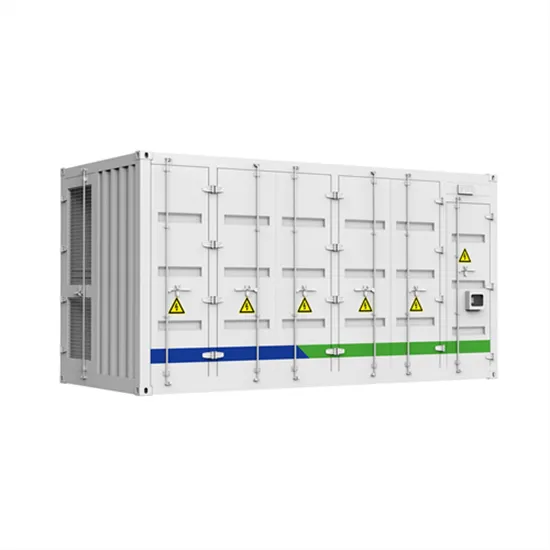
Base station solar battery cabinet implementation standards
NFPA standards: The NFPA has specific standards for BESS, including NFPA 855 and NFPA 70, which address fire safety, installation and operation. . An overview of the relevant codes and standards governing the safe deployment of utility-scale battery energy storage systems in the United States. Technological innovation, as well as new challenges with interoperability and system-level integration, can also. . Base station energy storage cabinet low between base stations and smart grid,,, indicate a significant need for standards. Under this strategic driver,a portion of DOE-funded energy storage research and development (R&D) is directed to actively work with industry to fi m and comp rgy. . Energy storage units are essentially advanced battery systems housed within standard containers.
[PDF Version]
-
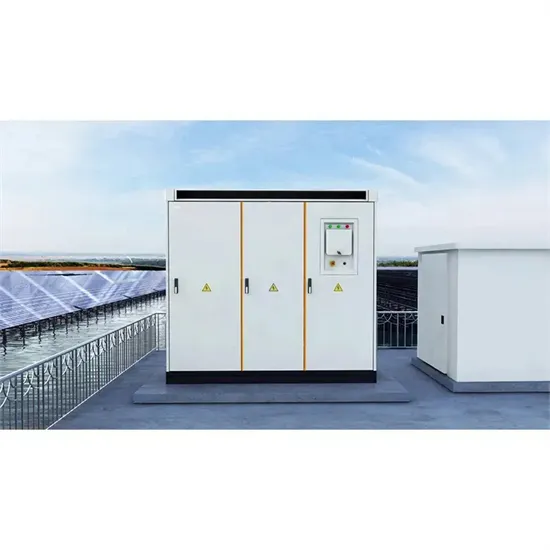
What is the weight of the base station solar battery cabinet
The answer isn't straightforward – weights typically range from 200 kg to 1,500 kg, depending on capacity and technology. Let's break down the key factors: In. . AZE's all-in-one IP55 outdoor battery cabinet system with DC48V/1500W air conditioner is a compact and flexible ESS based on the characteristics of small C&I loads. The commerical and industrial (C & I) system integrates core parts such as the battery units, PCS, fire extinguishing system. . An Outdoor Photovoltaic Energy Cabinet is a fully integrated, weatherproof power solution combining solar generation, lithium battery storage, inverter, and EMS in a single cabinet. It delivers clean, stable power for telecom base stations located in off-grid or unstable-grid environments. What. . Each cabinet holds 3 to 6 3. 0 kWh Usable Energy) PWRcell EX Battery Modules for 9kWh to 18kWh storage capacity. . Part Number: BBA-1M Manufacturer: OEM Material: Aluminum (Standard), Stainless Steel Available Finish: Mill (Standard), Powder Coat UL Approved: Yes NEMA Rating: 3R, 4, 4X Overall Dims (HxWxD – IN): 20.
[PDF Version]
-
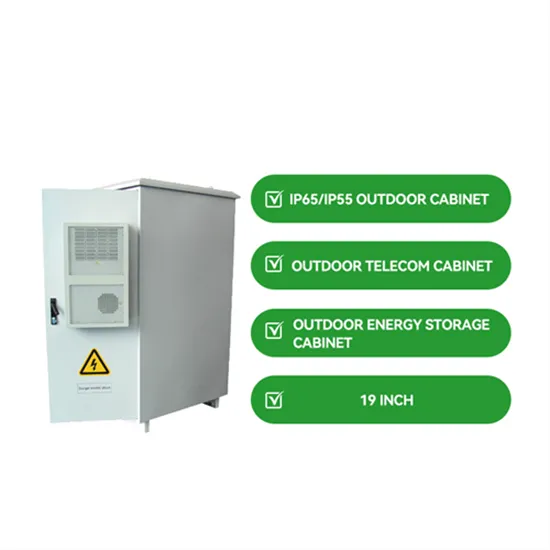
How much does a 100kW IP65 battery cabinet cost for a base station in Southeast Asia
The cost of a 100kW battery storage system can vary widely based on the components and features you choose. Here's a breakdown of typical budget ranges: 1. Standard Lithium-Ion System: $120,000 – $160,000 Components: Includes standard lithium-ion batteries, basic BMS, and a. . A:Yes, but there is a minimum order quantity required. Q:Can you ship your battery products by sea or by air ? A:We have long-term cooperated forwarders who are professional at battery shipment. Q:How long is the warranty? A:Our warranty is from 5~10 years. . So, how much does a 100kW energy storage cabinet actually cost? Well, if you're expecting a one-number answer, prepare for a plot twist. Prices swing between $25,000 and $70,000 —like comparing a budget sedan to a luxury EV. Battery chemistry:. . High security Using high-safety LiFe04 battery PACK partition safety isolation, built-in module-level fire protection unit,system-level fire protection unit, active safety early warming system to ensure safe and reliable operation of the system. Highly integrated The whole machine is highly. .
[PDF Version]
-
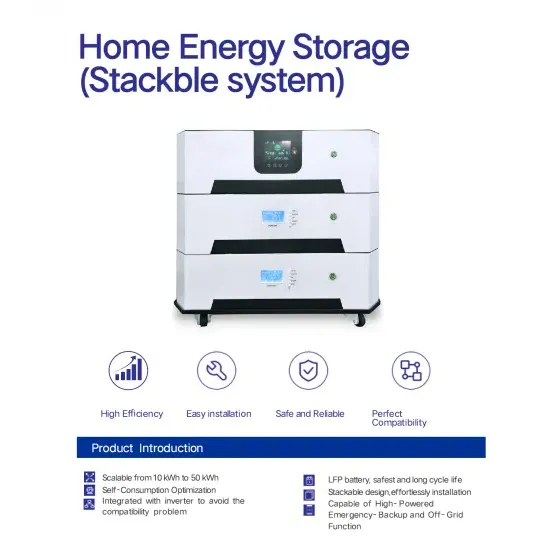
How much does a large-scale solar energy storage cabinet for an african base station cost
The price range for an outdoor energy storage cabinet typically lies between $3,000 and $15,000, depending on various factors, such as **1. additional features, and **5. . When supplied with an energy storage system (ESS), that ESS is comprised of 80 pad-mounted lithium-ion battery cabinets, each with an energy storage capacity of 3 MWh for a total of 240 MWh of storage. Discover how material choices, system design, and emerging technologies impact your energy. . NLR analyzes the total costs associated with installing photovoltaic (PV) systems for residential rooftop, commercial rooftop, and utility-scale ground-mount systems. This work has grown to include cost models for solar-plus-storage systems. Maximize ROI with these proven approaches: 1. Renewable Integration Solar + storage projects show:. . When planning a large energy storage cabinet project, one of the most common questions is: "How much will it cost?" The answer isn't one-size-fits-all—it depends on your specific needs, industry requirements, and the latest technological trends. Let's break down the key factors influencing pri HOME. . As of 2025, prices range from $0.
[PDF Version]
-
How to connect the base station power cabinet to photovoltaic power generation and wind power
In this video, I'm finally putting my DIY solar rack to work by connecting it to the 5000W portable power station I built! ☀️⚡ I'll walk you through how I wired everything together — from the solar array and PV disconnect switch to the inverter inside the power . . In this video, I'm finally putting my DIY solar rack to work by connecting it to the 5000W portable power station I built! ☀️⚡ I'll walk you through how I wired everything together — from the solar array and PV disconnect switch to the inverter inside the power . . Here are design tips for methods of PV system utility interconnection. The purpose of this article is to give you a basic understanding of the concepts and rules for connecting a solar panel system to the utility grid and the household electrical box or meter. The utility connection for a PV solar. . To connect a solar photovoltaic power station, one must follow a structured approach that encompasses several critical considerations: 1. Understanding the components, 2. It combines different power inputs (small wind turbines, solar PV panels, and AC/DC rectifier) with an internal lithium-ion battery for backup, network connectivity, and. .
[PDF Version]
 MENU