
-
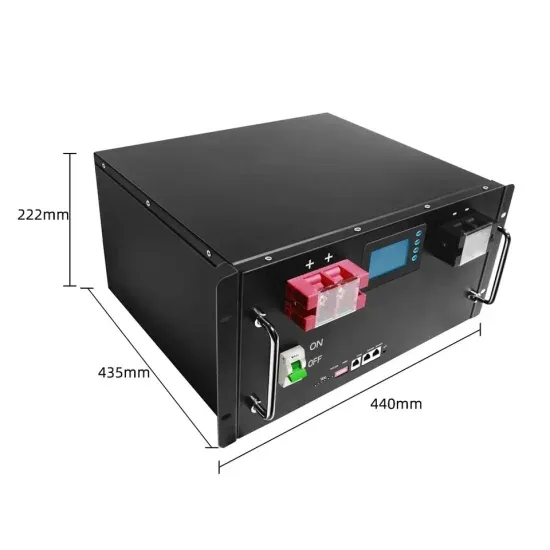
Fixed type of Montenegrin photovoltaic energy storage battery cabinet for airport use
The Cabinet offers flexible installation, built-in safety systems, intelligent control, and efficient operation. It features robust lithium iron phosphate (LiFePO4) batteries with scalable capacities, supporting on-grid and off-grid configurations for reliable energy storage. . Most industrial off-grid solar power sytems, such as those used in the oil & gas patch and in traffic control systems, use a battery or multiple batteries that need a place to live, sheltered from the elements and kept dry and secure. This place is called a "battery enclosure", or what is. . The utility model relates to the technical field of energy storage, and particularly discloses a photovoltaic energy storage cabinet, which comprises at least one battery cabinet and a control cabinet, wherein the battery cabinet comprises a main cabinet body and a cover body which are detachably. . Montenegro has taken a decisive step toward modernizing its power system with a €48 million investment in large-scale battery energy storage systems (BESS). According to the task, EPCG said that as the leading and largest. . Machan offers comprehensive solutions for the manufacture of energy storage enclosures. " Why? Because airport photovoltaic energy storage systems solve two critical challenges – reducing carbon footprints and slashing energy bills. Let's unpack how this works (and. .
[PDF Version]
-
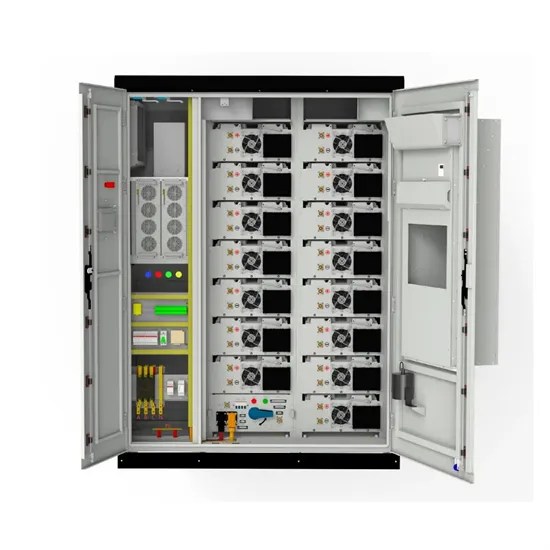
High-voltage photovoltaic integrated energy storage cabinet for hotel use
Equipped with a robust 15kW hybrid inverter and 35kWh rack-mounted lithium-ion batteries, the system is seamlessly housed in an IP55-rated cabinet for enhanced protection against water and dust, ensuring reliable performance in various environments. Featuring 215kWh of LiFePO4 storage and a 120kW PCS, this system is engineered for industrial parks and commercial complexes that require high-power energy. . This compact and high-performance PV and battery all-in-one cabinet supports flexible deployment, scalable capacity, and smart energy management. Supports. . The Huijue Indoor Photovoltaic Energy Cabinet is a complete high-performance indoor energy storage solution for telecommunication, business, and industry.
[PDF Version]
-
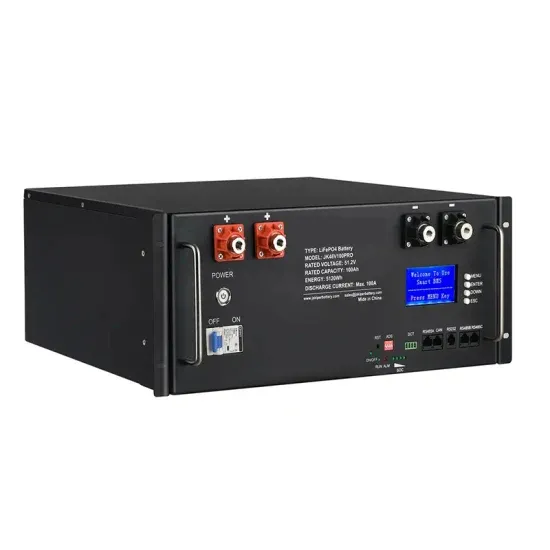
Solar 12v battery storage for home use
Here are our picks for the 10 best home solar batteries of 2025: At SolarReviews, we have a thorough and holistic methodology for ranking home solar batteries and the companies that produce them. We don't just fall for the latest flashy technology that's advertised. . Its A+ grade lithium cells offer a 10-year lifespan and higher energy density, making it a reliable choice for off-grid systems and backups. The smart BMS protects against over-charge, overload, and extreme temperatures—crucial in harsh outdoor conditions. But there are so many options on the market; how do you know if the installer you're working with will carry the best brands? That's where. . Because home battery storage has something to offer everyone—from backup power to bill savings to self-reliance. With this in mind, there is no single “best” battery. There are different solutions to meet the varying requirements and needs of homeowners across the country. In this article, we'll. . Blue Raven Solar tops our list as the best solar battery installers due to its experience, specialized services, and pricing. Here's what you need to know: Imagine this: a storm knocks out power in your neighborhood, but your lights stay on, your refrigerator keeps running, and. . This is the magic of solar battery storage – an increasingly popular choice among homeowners in the U.
[PDF Version]
-
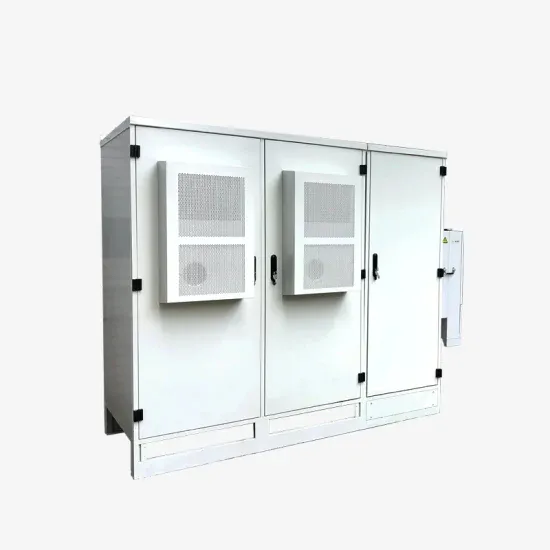
Does the energy storage station use electricity
An energy storage system (ESS) for electricity generation uses electricity (or some other energy source, such as solar-thermal energy) to charge an energy storage system or device, which is discharged to supply (generate) electricity when needed at desired levels and quality. ESSs provide a variety. . Grid energy storage is vital for preventing blackouts, managing peak demand times and incorporating more renewable energy sources like wind and solar into the grid. They utilize various technologies, including batteries, pumped hydro systems, and compressed air. . One way to help balance fluctuations in electricity supply and demand is to store electricity during periods of relatively high production and low demand, then release it back to the electric power grid during periods of lower production or higher demand.
[PDF Version]
-
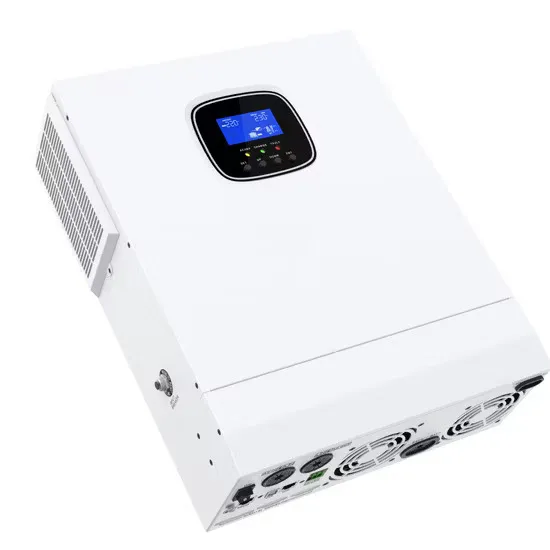
Heishan Huijue Energy Storage 20 degrees home use
Modern home battery storage solutions hit the sweet spot with 20 kWh capacity - enough to power: Huijue Group's market analysis reveals 78% of solar adopters in Texas prefer 20kWh residential battery configurations over smaller units. . Ranging from 5kWh to 20kWh, it caters to households of varying sizes. Huijue Group's Home Energy Storage Solution integrates advanced lithium battery technology with solar systems. It reduces electricity bills and serves as. . Huijue Group was founded in 2002, is leading Home Energy Storage Manufacturer in China, to provide customers with the optimal energy storage system solutions and safe and efficient storage full range of products, covering household energy storage system, industrial and commercial energy storage. . The wall-mounted battery efficiently stores electricity and saves space by being mounted on the wall, offering a compact and lightweight design. The Rock Battery can be connected in series on a single rack, making it ideal for both industrial and home energy storage solutions. High-density, long-life, & smartly managed, they boost grid stability, energy efficiency, & reduce fossil fuel reliance. . Millions of homeowners in California, Germany, and Australia face two critical challenges: unpredictable grid failures and escalating electricity costs.
[PDF Version]
-
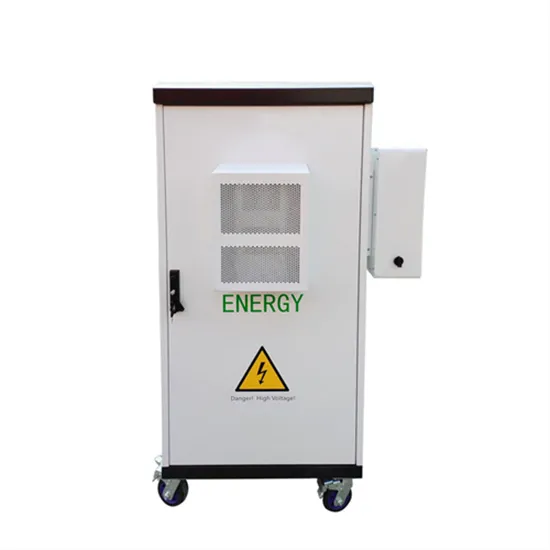
How big a battery should I use for a 5 kilowatt energy storage system
Determining how many batteries for a 5kW solar system you need depends on your daily energy consumption, battery type, and how much storage you want. On average, for a typical household using 30 kWh per day, you would need 3-4 batteries with a 10 kWh capacity each. . Battery sizing is goal-driven: Emergency backup requires 10-20 kWh, bill optimization needs 20-40 kWh, while energy independence demands 50+ kWh. Your primary use case should drive capacity decisions, not maximum theoretical needs. Usable capacity differs from total capacity: Lithium batteries. . Understanding your battery requirements is crucial for maximizing efficiency and ensuring you have enough power stored for those cloudy days or nighttime use. Their battery pays for itself in 6 years. Batteries allow you to use solar power when the sun isn't shining, ensuring your system operates efficiently around. . Home batteries store electricity from your solar system or the grid for use during outages, when the grid is most expensive, or at night when it is dark.
[PDF Version]
 MENU