
-
What does it mean to undertake energy storage projects
Energy storage is the process of accumulating energy in particular equipment or systems so that it can be used at a later time, either when companies and sectors need to save energy or when demand increases, or grid outages occur. . What does an energy storage project include? An energy storage project encompasses a range of critical components essential for harnessing and storing energy effectively. Primary purpose and function of energy storage systems, 2. Project lifecycle from. . The Department of Energy (DOE) Loan Programs Office (LPO) is working to support deployment of energy storage solutions in the United States to facilitate the transition to a clean energy economy.
[PDF Version]
-
Electricity charges for energy storage projects
The charge for energy storage varies significantly based on several key factors, including 1. . In this work we describe the development of cost and performance projections for utility-scale lithium-ion battery systems, with a focus on 4-hour duration systems. The projections are developed from an analysis of recent publications that include utility-scale storage costs. This Note also discusses the fixed and variable revenue sources available to battery storage projects based on the benefits they offer to electricity. . An energy storage system (ESS) for electricity generation uses electricity (or some other energy source, such as solar-thermal energy) to charge an energy storage system or device, which is discharged to supply (generate) electricity when needed at desired levels and quality. However, 2025 represents a pivotal year, as federal tarifs, tax incentive structures, and domestic sourcing require the key federal and state-level developments impacting project economics and eeded 40. .
[PDF Version]
-
Automatically follow solar energy storage projects
Summary: Solar energy storage projects are transforming renewable energy adoption. This article explores automation trends, real-world applications, and how businesses can optimize solar storage systems. As electricity costs continue to rise and grid reliability becomes increasingly uncertain, intelligent storage solutions offer a powerful way to. . Scoop's project management software helps battery storage installers and service providers standardize, automate, and track your installation projects easily. The Scoop platform makes it easy for battery. . As the demand for clean and dependable energy sources intensifies, the integration of artificial intelligence (AI) with solar systems, particularly those coupled with energy storage, has emerged as a promising and increasingly vital solution. Smart Integration of Solar, Storage, and AI APsystems has long championed the convergence of solar and storage—now. . Today, solar power has emerged as one of the most viable and cost-effective energy sources, and storage technologies like lithium-ion batteries are revolutionizing the way we manage energy.
[PDF Version]
-
Financing for Smart Photovoltaic Energy Storage Containerized Fixed Projects
Summary: Explore practical financing strategies for photovoltaic energy storage systems, from government incentives to innovative leasing models. Learn how businesses and households can overcome upfront cost barriers while aligning with global renewable energy trends. 8 trillion global market as of 2023, with renewable capacity additions increasing by 50% to 507 GW, representing the fastest growth rate in two decades. This unprecedented expansion is driven by declining. . Performance-Based Contracts Performance-based models, such as energy-as-a-service (EaaS), shift the financial burden from upfront capital expenditures to operational expenses. This Note also discusses the fixed and variable revenue sources available to battery storage projects based on the benefits they offer to electricity. . By Rick Labrecque, Vice President – Interconnection & Utility Affairs at Agilitas Energy The U. battery storage sector is on a remarkable trajectory.
[PDF Version]
-
Actively deploy energy storage projects
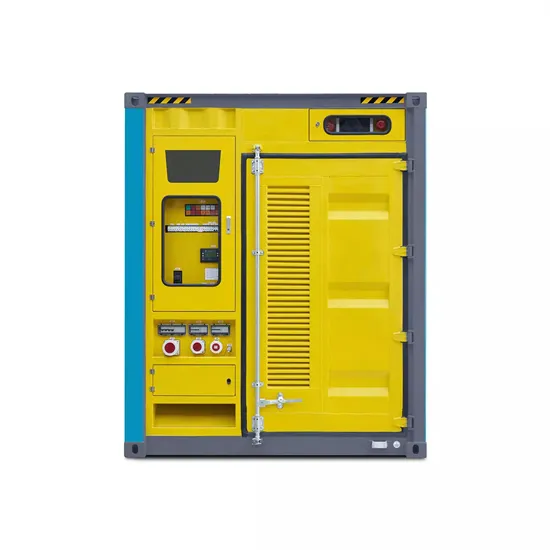
This comprehensive guide walks developers through the entire process, includes a step-by-step checklist, and highlights common pitfalls to avoid so you deliver solar and energy storage projects on time and on budget. . Energy storage deployments involve a lot of moving parts, from technical design and permitting to procurement, interconnection, and commissioning. The Department of Energy (DOE) Loan Programs Office (LPO) is working to support deployment of energy storage solutions in the United States to facilitate the transition to. . Tesla is deepening its presence in China with a RMB 4 billion (USD 556 million) investment in its first grid-connected energy storage project on the mainland. The initiative positions Tesla at the center of China's expanding grid infrastructure and opens new pathways for grid services in the. . Fluence is enabling the global clean energy transition with market-leading energy storage products and services, and digital applications for renewables and storage.
[PDF Version]
-
Containerized solar container energy storage system installed in Brunei
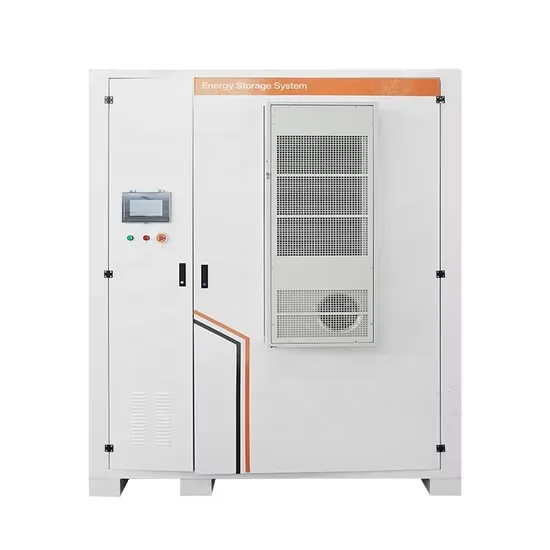
Summary: Brunei's first containerized energy storage system marks a strategic leap toward energy resilience and renewable integration. This article explores the project's technical advantages, regional impact, and why modular solutions are reshaping Southeast Asia's power. . As Brunei accelerates its renewable energy adoption, battery energy storage containers have emerged as game-changers for businesses seeking stable power supply. Designed to integrate renewable energy sources like solar and wind into the national grid, this initiative addresses the intermittent nature of clean power. . Pre-fabricated containerized solutions now account for approximately 35% of all new utility-scale storage deployments worldwide. North America leads with 40% market share, driven by streamlined permitting processes and tax incentives that reduce total project costs by 15-25%. In 2023. . Harnessing abundant solar resources, an eco-resort located off the coast of Panama has chosen advanced lead batteries, paired with a battery management. The island microgrid is powered by a 355 kW photovoltaic (PV) array, which powers all appliances and systems on the island during the day. . In, the Seri Energy Park debuted Southeast Asia's first hybrid solar-storage microgrid. By day, it stores excess solar power; by night, it powers 5,000 homes. Located on a remediated landfill site spanning 32. 29 hectares, the plant will generate 64,440 megawatt-hours of electricity annually for. .
[PDF Version]
 MENU