
-
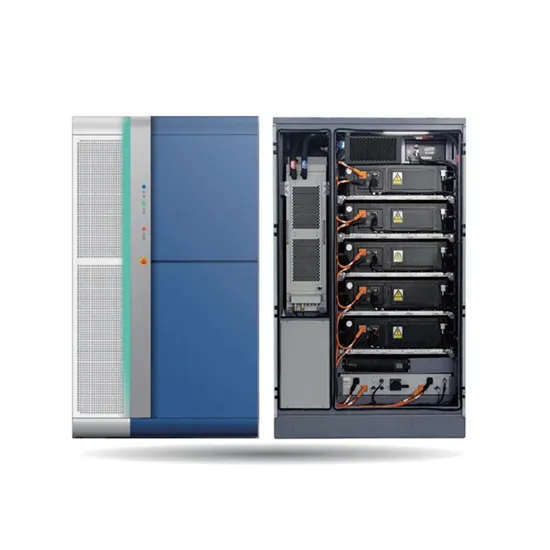
Composition of industrial and commercial energy storage equipment
This article will provide a detailed analysis of industrial and commercial energy storage, including its classification, main components and their functions, as well as key conditions that need to be understood. Their importance is increasing due to rising energy costs, growing pressure to reduce carbon emissions, and the desire to prevent costly disruptions. . As businesses and industries strive for energy efficiency and sustainability, renewable energy storage has become a cornerstone of modern energy strategies. This ensures efficient energy utilization and helps. . What are the different types of energy storage technologies? This report covers the following energy storage technologies: lithium-ion batteries, lead-acid batteries, pumped-storage hydropower, compressed-air energy storage, redox flow batteries, hydrogen, building thermal energy storage, and. . The Commercial and Industrial Energy Storage Market Report is Segmented by Technology (Lithium-Ion, Sodium-Ion, Lead-Acid, Flow Batteries, and Others), Application (Peak Shaving, Load Shifting, Backup Power/UPS, Renewable Integration, and Others), End-User (Commercial Building, Data Centers. .
[PDF Version]
-
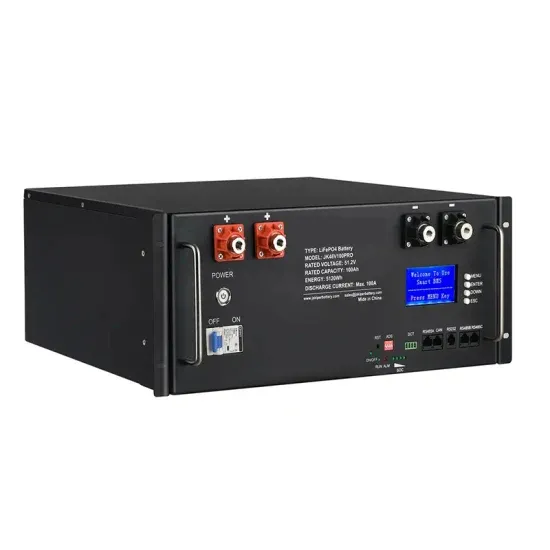
Professional equipment for industrial and commercial energy storage
Our products, including lithium-ion batteries, inverters, and energy management systems, are designed to integrate seamlessly with existing infrastructure, providing highly reliable and cost-effective energy storage for a range of applications. . EVB delivers advanced energy storage solutions especially for industrial and commercial applications. No matter industrial or commercial energy storage systems at EVB, we offer flexibility across. . With energy ratings from 200 kWh to multiple MWh, our battery storage options are sure to fit your microgrid system needs. Talk with an Expert Smart storage.
[PDF Version]
-
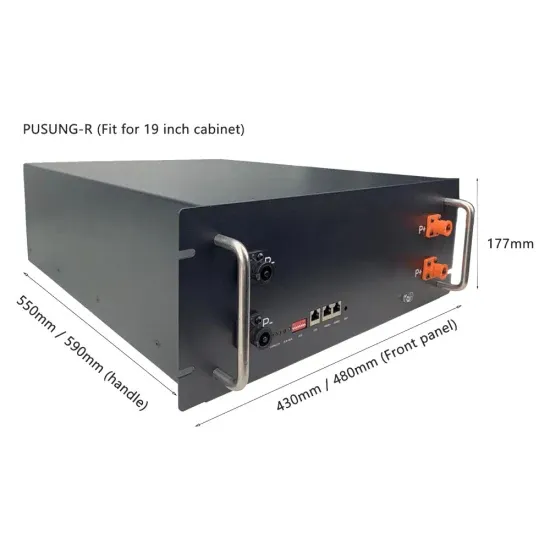
Pretoria Industrial and Commercial Energy Storage Equipment Manufacturer
We are proud to have been manufacturing portable power stations, LiFePO4 batteries, inverters, UPS, and solar charge controllers since 1998, with a team of 500 dedicated employees. Our high-quality products have earned us a well-deserved reputation in the global market. With over 40% of South African businesses now investing in backup power systems, manufacturers are competing to deliver reliable battery technologies. Let's explore the key playe. . MUST is committed to developing clean energy and contributing its efforts to reduce carbon footprint.
[PDF Version]
-
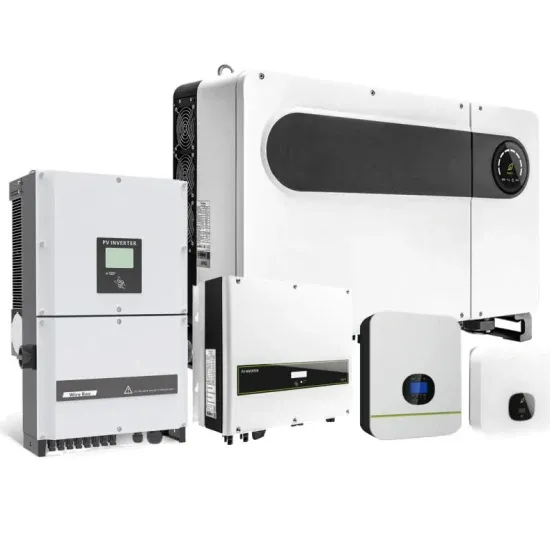
Venezuela energy storage equipment combination plan
This article explores innovative battery storage applications, solar integration strategies, and actionable insights for businesses navigating Venezuela"s evolving energy landscape. . ency power supply for a separated power by including it in medium and lo g-term strategies. Two well-known is solar energy becoming more popular in Venezuela? Solar energy is one of the fastest-growing forms of. . That's the vision behind the Caracas Energy storage planning in venezuelaEnergy storage planning in venezuela What is a Venezuelan energy recovery plan (vesrp)? Two well-known recovery plans,the Venezuelan Electricity Sector Recovery Plan(VESRP) and the Venezuela's Energy Revolution: Shared Storage. . uela"s answer to the global energy puzzle. This hybrid marve strategic hub for energy storage solutions. With strategic R& D investments and global. . Emergency energy storage vehicles (EESVs) have emerged as a lifeline for hospitals, remote communities, and industrial facilities.
[PDF Version]
-
Analysis of the pros and cons of solar energy storage container equipment
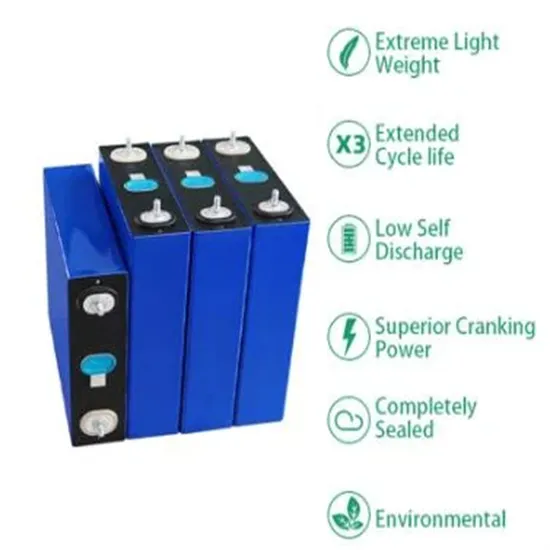
This article explores the types, advantages, and disadvantages of these portable power solutions, as well as their practical applications—from providing emergency backup power to enhancing off-grid living and facilitating outdoor adventures. . Nov 12, 2025 · In conclusion, adding an energy storage system to a solar installation has several pros and cons that should be considered before making a decision. These turnkey solutions integrate solar panels, inverters, batteries, charge controllers, and monitoring systems into a single transportable unit that. . When choosing a solar storage container, prioritize energy capacity (kWh), battery chemistry (like lithium-ion or LFP), durability in outdoor conditions, and expandability for future needs.
[PDF Version]
-
Battery energy storage energy equipment costs in Finland
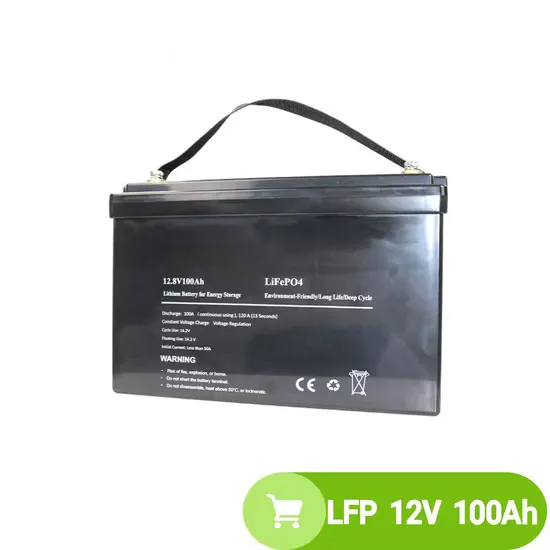
Costs range from €450–€650 per kWh for lithium-ion systems. [pdf]. ly Battery energy storage Thermal energy storage Pumped hydropower s rowing rapidly in Finland. Based on the present construction and planning activities, the electricity supplied by wind power cou d during 2035–2040 even be. . This comprises of the fact that advanced technology storage systems tend to be costly and this poses a limitation to adoption of the systems. How's that possible? Let's unpack this paradox. Phase 1 of this 90MW/360MWh facility (completed June 2023) demonstrates: Well, it's not cricket - some critics argue storage costs remain prohibitive. Several energy companies are. . and with capacity for multimarket trading. In this value in 2018 constitutes 2. In our calculations, we therefore have assumed the total price of the procur Distributed Energy Storage (DES) solution.
[PDF Version]
 MENU