
-
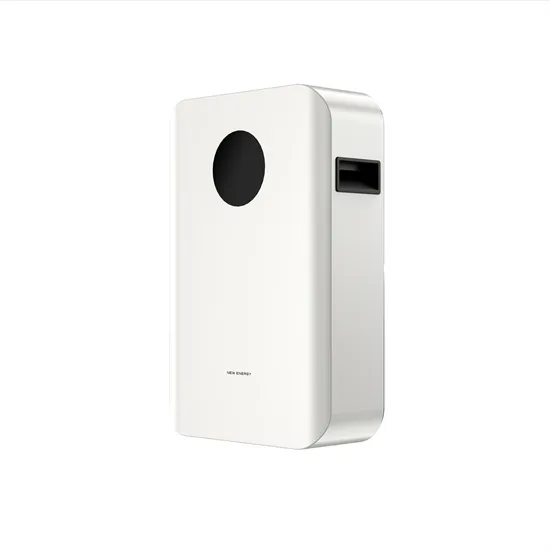
Liquid flow battery energy storage and solar container lithium battery energy storage
Lithium-ion and flow batteries are two prominent technologies used for solar energy storage, each with distinct characteristics and applications. Lithium-ion batteries are known for their high energy density, efficiency, and compact size, making them suitable for residential and commercial solar. . Researchers in Australia have created a new kind of water-based “flow battery” that could transform how households store rooftop solar energy. Credit: Stock Monash scientists designed a fast, safe liquid battery for home solar. The system could outperform expensive lithium-ion options. RFBs work by pumping negative and positive. . Next-level energy storage systems are beginning to supplement the familiar lithium-ion battery arrays, providing more space to store wind and solar energy for longer periods of time, and consequently making less room for fossil energy in the nation's power generation profile. Their next-generation flow battery opens the door to compact, high-performance battery systems for homes, and is expected to be much. .
[PDF Version]
-
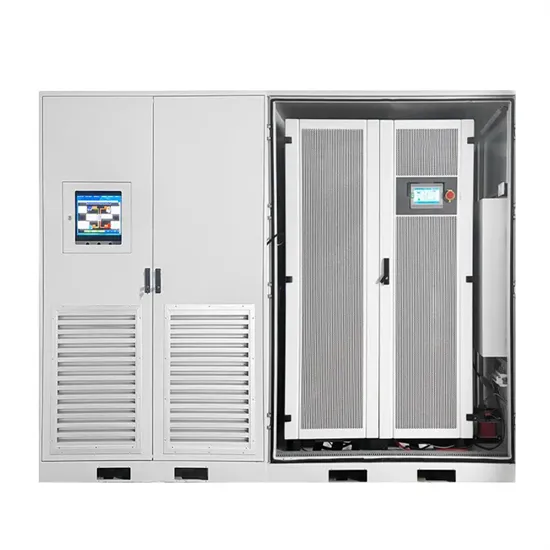
How to charge the 48v lithium iron battery of solar container communication station
In this article, you'll learn how to set up a solar charging system specifically for your 48V battery. We'll cover essential components, step-by-step instructions, and helpful tips to ensure you get the most out of your solar setup. Whether you're looking to power a backup system, an RV, or even your home, knowing how to charge a 48V battery with solar panels can save you both money and energy. . Charging a 48V lithium battery with solar panels involves using appropriate components like solar panels and charge controllers, ensuring that the system is configured correctly to maximize efficiency and safety. This setup allows you to harness renewable energy effectively while maintaining. . A 48V LiFePO4 battery is a type of lithium-ion battery that uses lithium iron phosphate as the cathode material. Unlike traditional lead-acid batteries, LiFePO4 batteries offer higher energy density, longer lifespan, and improved safety.
[PDF Version]
-
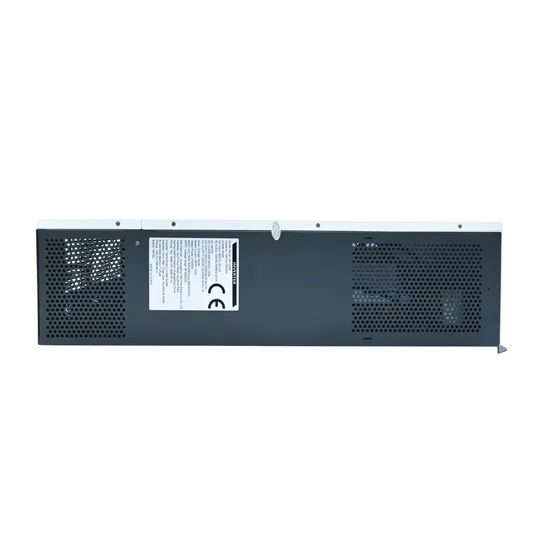
Zinc-bromine flow battery solar energy storage cabinet lithium battery
These flow batteries are highly scalable, allowing for adjustments in energy storage capacity by simply resizing the electrolyte tanks. ZBFBs are known for their extended cycle life, capable of enduring a high number of charge and discharge cycles without significant. . Zinc bromine flow batteries or Zinc bromine redux flow batteries (ZBFBs or ZBFRBs) are a type of rechargeable electrochemical energy storage system that relies on the redox reactions between zinc and bromine. Traditional battery technologies, notably lithium-ion systems, are optimized for short-duration power delivery. It is a widely. . Grid decarbonization is shifting the storage conversation from “fast response” to long-duration energy storage (LDES) that can deliver power across the evening peak, overnight, or during renewable lulls.
[PDF Version]
-
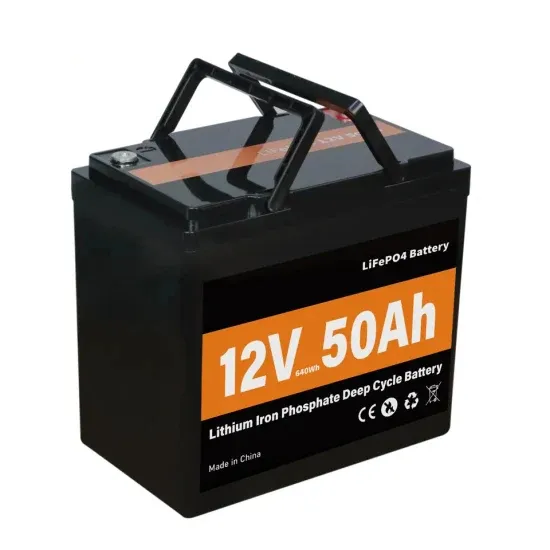
Mauritanian BMS lithium battery manufacturer
In this article, we'll explore the top 10 players in Mauritania's lithium-ion battery recycling equipment market, highlighting their key offerings, unique strengths, and commitment to sustainable practices. . Leclanché is a Swiss Lithium-ion cells and energy storage solutions company founded in Leclanché, with its headquarters located in Yverdon-Les-Bains, Switzerland, specializes in the production of large-format lithium-ion cells, utilizing licensed ceramic separator technology and a strong focus on. . Are you curious about which lithium battery BMS manufacturers stand out in the industry? Understanding the top factories is crucial for making informed choices. Discovering the best options can lead to enhanced performance and reliability. From small-scale operations to large industrial plants, these suppliers offer a. . Also, please take a look at the list of 25 battery management system (bms) manufacturers and their company rankings. We monitor batteries for a number of utilities, telecom, and. .
[PDF Version]
-
What is the discharge current of a 24v lithium battery pack
A 24V 50Ah lithium battery means that the battery can theoretically supply a current of 50 amperes for one hour at a voltage of 24 volts. However, this is an idealized value, and in reality, the actual capacity that can be delivered depends on several factors, including the discharge. . A full charge for a LiFePO4 24V battery means reaching its maximum safe voltage level, typically around 28. 65 volts per cell for 8 cells in series). DEESPAEK recommends using compatible charging systems and Battery Management Systems (BMS) to ensure optimal charging, safety, and. . Charging Voltage: The recommended charging voltage for a 24V LiFePO4 battery is typically around 29. Overcharging beyond this voltage can lead to decreased battery life and potential safety hazards.
[PDF Version]
-
What are the types of cylindrical solar container lithium battery cells in Sierra Leone
Cylindrical cells are durable, heat-efficient, and easy to manufacture but offer limited shape flexibility. . The Complete Guide to Lithium Battery Enclosures: Cylindrical, Prismatic, and Pouch Cell Technologies-Blog-DLCPO® | Premium LiFePO4 & LTO Battery Manufacturer | Custom Lithium Solutions-Global Supplier of Grade A CATL, EVE, CALB,SVOLT,Rept Cells & One-Stop Battery Pack Assembly. Decoding. . Understanding lithium-ion cell form factors—cylindrical, pouch, and prismatic—unveils key differences that influence safety, performance, and design choices. Whether you're powering an RV, marine vessel, off-grid home, or critical industrial system, knowing the strengths and limitations of each cell format can save you. . What are the different types of lithium battery cells? Understanding the differences between cylindrical,pouch,and prismaticlithium battery cells helps you make better decisions. Evaluate your. . For this article we will concentrate on the 18650 and 21700 formats, but this is migrating towards the 46mm diameter 46xx class of cylindrical cells. Perhaps the most famous of the cylindrical formats is the 18650 and 21700. 18650 => ~18mm in diameter and ~65.
[PDF Version]
 MENU