
-
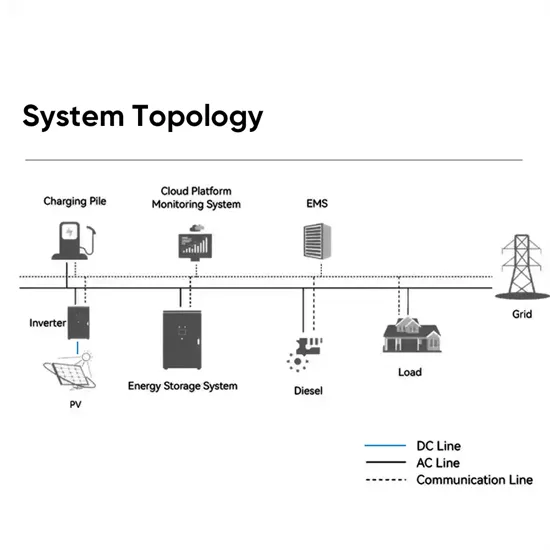
Compressed air solar energy storage cabinet price
The price range for an outdoor energy storage cabinet typically lies between $3,000 and $15,000, depending on various factors, such as **1. additional features, and **5. Let's unpack the main cost drivers: The energy storage sector is evolving faster than a Tesla charging station. . Solar panels, gear mounts, storage pods. This AC hides under a bunk, cabinet, or bench, so the Looking for storage power cabinet compressed air solar container price? Browse our selection and find the right fit for you! . CAES offers a powerful means to store excess electricity by using it to compress air, which can be released and expanded through a turbine to generate electricity when the grid requires additional power. Energy Storage Systems. . 20-feet Air-cooled cabinet C&I solar power storage systems The 20-feet Air-cooled cabinet C&I solar power storage systems feature state-of-the-art air-cooled technology. With a capacity to store solar power. .
[PDF Version]
-
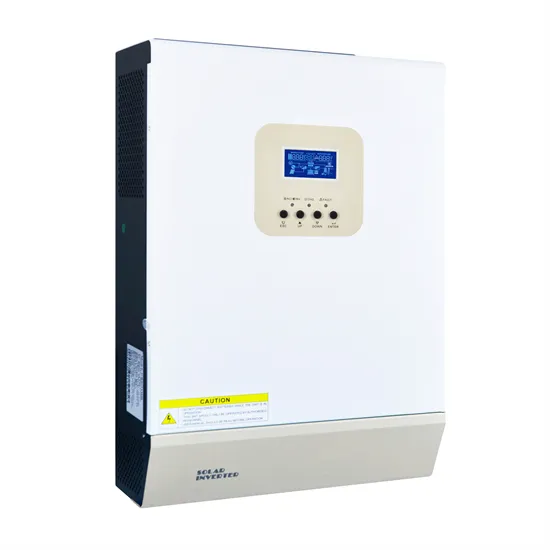
Bridgetown Liquid Cooled Energy Storage Battery Cabinet Manufacturer Ranking
Our ranking is based on four key criteria: 1. CATL (Contemporary Amperex Technology Co. Limited) CATL leads through vertical integration, strong LFP battery chemistry, and unmatched scale. Tesla Energy Tesla's Megapack offers turnkey energy storage with advanced. . According to a report by Fortune Business Insights™, the market size for battery energy storage is valued at USD 25. 02 billion in 2024 and is expected to reach 114. In the liquid cooling solution, the water-cooled host provides the cold source, accounting for 57% of the value, which is a link in the entire liquid cooling system that requires high technology. . In this guide, we group ten widely recognized names into three categories—Battery Cell & Pack Leaders, BESS Integrators & Commercial Energy Storage Solution Providers, and Inverters/PCS & ESS Providers—and summarize each brand through the lenses that matter most to buyers: where they're based, what. . The Battery Energy Storage System (BESS) industry has experienced remarkable growth in recent years, driven by the global shift toward renewable energy and the increasing need for reliable grid stability solutions. Their innovative technology and focus on sustainability make. . The following list presents a curated selection of leading companies across various segments of the battery storage industry, offering diverse investment opportunities.
[PDF Version]
-
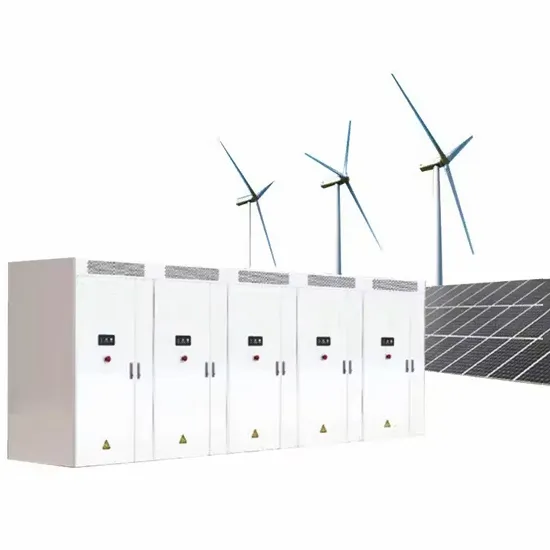
Community-based photovoltaic energy storage cabinet for fast charging
Solar+storage+charging integrated system integrates photovoltaic power generation, energy storage, micro-grid control, and electric vehicle charging through an integrated solution. Our energy storage systems work seamlessly with fast charging EV stations, including level 3 DC fast charging, to maximize efficiency and reduce energy costs. Designed for a wide range of use. . Fast DC charging with built-in 208. 9 kWh battery, V2G-ready control, and smart O&M—engineered for uptime and ROI As EV sites scale, the limits of the grid show up first: high demand charges, transformer bottlenecks, and costly upgrades. Pilot's PL-EL Series solves that problem at the. . The rapid growth of renewable energy and electric vehicles (EVs) presents new development opportunities for power systems and energy storage devices.
[PDF Version]
-
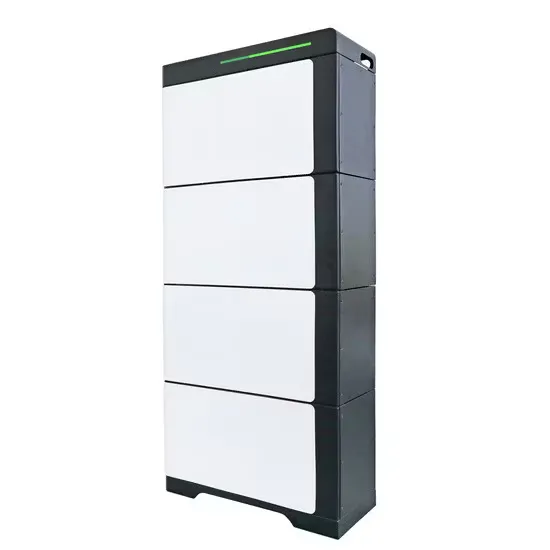
Market price of two-way charging for photovoltaic integrated energy storage cabinet
This fragmented infrastructure discourages consumers who prioritize convenience. Installing a bidirectional charger typically costs **$4,000–$7,000**, excluding grid connection fees, which is 30–50% higher than. . The Integrated Photovoltaic Energy Storage Charging (IPESC) market is projected for significant expansion, driven by escalating demand for renewable energy and enhanced grid stability. Key growth drivers include the decreasing costs of solar PV and battery storage, making IPESC systems increasingly. . What are the primary barriers to consumer adoption of two-way V2G charging stations in key markets? The adoption of two-way vehicle-to-grid (V2G) charging stations faces **technical complexity and infrastructure limitations**. This system is widely used in charging scenarios where. .
[PDF Version]
-
Energy storage cabinet solar charging device
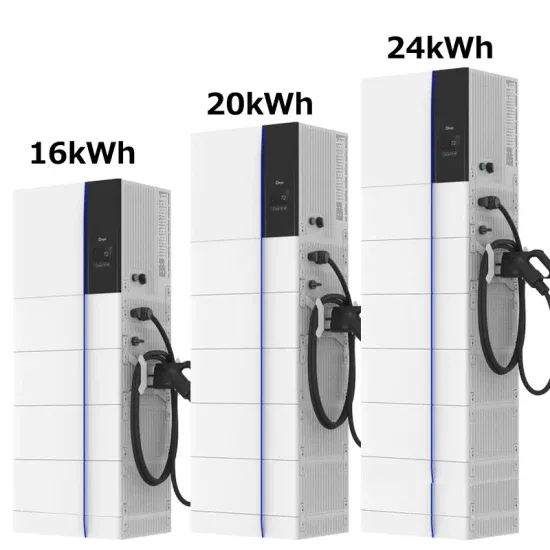
This article explores how photovoltaic storage cabinets optimize energy management, reduce grid dependency, and support 24/7 EV charging operations. Discover industry trends, real-world applications, and Solar-powered energy storage systems are transforming electric vehicle. . Delta's energy storage solutions include the All-in-One series, which integrates batteries, transformers, control systems, and switchgear into cabinet or container solutions for grid and C&I applications. 9 kWh battery, V2G-ready control, and smart O&M—engineered for uptime and ROI As EV sites scale, the limits of the grid show up first: high demand charges, transformer bottlenecks, and costly upgrades. Our system is. . An energy cabinet is the hub of the modern distributed power systems—a control, storage, and protection nexus for power distribution. Constructed with long-lasting materials and sophisticated technologies inside. .
[PDF Version]
-
Liquid Cooled Energy Storage Battery Cabinet Thermal Management
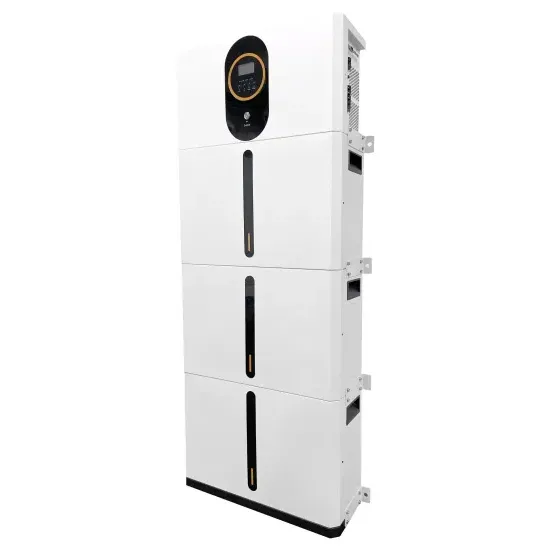
Liquid-cooled energy storage systems excel in industrial and commercial settings by providing precise thermal management for high-density battery operations. These systems use coolant circulation to maintain optimal cell temperatures, outperforming air cooling in efficiency and. . This study addresses the optimization of heat dissipation performance in energy storage battery cabinets by employing a combined liquid-cooled plate and tube heat exchange method for battery pack cooling, thereby enhancing operational safety and efficiency. The primary. . Excessive heat can significantly degrade battery health, reduce efficiency, and pose serious safety risks. To address this, the industry is increasingly turning to advanced solutions like the Liquid Cooling Battery Cabinet, a technology designed to maintain optimal operating temperatures for. . As large-scale Battery Energy Storage Systems (BESS) continue to evolve toward higher energy density and multi-megawatt-hour configurations, liquid cooling has become the mainstream thermal management solution. 72MWh): Introducing liquid cold plates allowed for tighter cell packing by more efficiently pulling heat away. Liquid was an advantage, improving lifespan and consistency. The 5MWh+ Era (Today): Aisle-less, “pack-to-container” designs create a solid, optimized block of. .
[PDF Version]
 MENU