
-
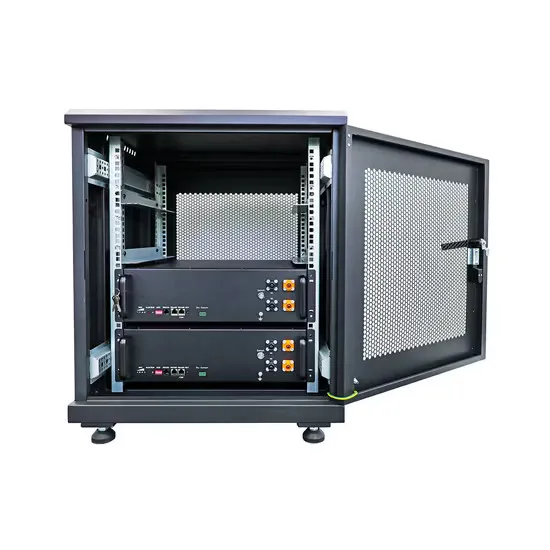
China s hybrid energy base station 5g
China Tower is a world-leading tower provider that builds, maintains, and operates site support infrastructure such as telecommunication towers, high-speed rail, subway systems, and large indoor dis.
[PDF Version]
-
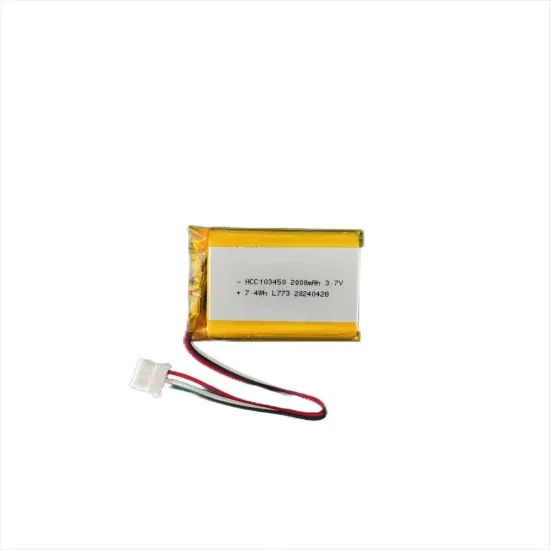
Belmopan has a hybrid energy communication base station
This hybrid project combines wind turbines, solar panels, and advanced battery storage systems to address the intermittency challenges of renewables. . What is a 5G base station? At the same time, a large number of 5G base stations (BSs) are connected to distribution networks, which usually involve high power consumption and are equipped with backup energy storage,, giving it significant demand response potential. What is a collaborative optimal. . Oct 23, 2025 · In this paper, a distributed collaborative optimization approach is proposed for power distribution and communication networks with 5G base stations. Firstly, the model of 5G Jul 8, 2025 · Market demand: With the rapid development of 5G communication technology, the large-scale. . How does the Democratic Republic of the Congo support the economy?In the AC, Democratic Republic of the Congo supports an economy six-times larger than today's with only 35% more energy by diversifying its energy mix away from one that is 95% dependent on bioenergy.
[PDF Version]
-
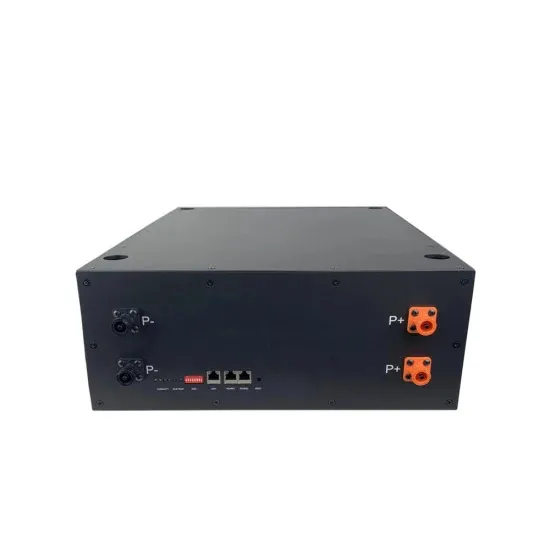
Southeast Asia s telecommunications base station hybrid energy is installed on the rooftop
The 2,919 kWp solar rooftop installed by Total Solar DG produces 4 GWh of electricity and avoids 3,340 tons of carbon emissions per year, which In this work, we propose a new hybrid energy harvesting system for a specific purpose such as powering the base stations in. . The 2,919 kWp solar rooftop installed by Total Solar DG produces 4 GWh of electricity and avoids 3,340 tons of carbon emissions per year, which In this work, we propose a new hybrid energy harvesting system for a specific purpose such as powering the base stations in. . This study presents a thorough techno-economic optimization framework for implementing renewable-dominated hybrid standalone systems for the base transceiver However, in the energy transition journey, the Southeast Asia countries have different levels of readiness. It is noted that from the results obtained from 42 BTS sites overall, 21 BTS sites. . This is where BTS hybrid power components become central to the implementation by integrating multiple energy sources such as solar, wind, diesel, and the grid with advanced energy storage and management systems. At HighJoule, we're engineering the next generation of power solutions for telecom. . Enter hybrid energy systems—solutions that blend renewable energy with traditional sources to offer robust, cost-effective power.
[PDF Version]
-
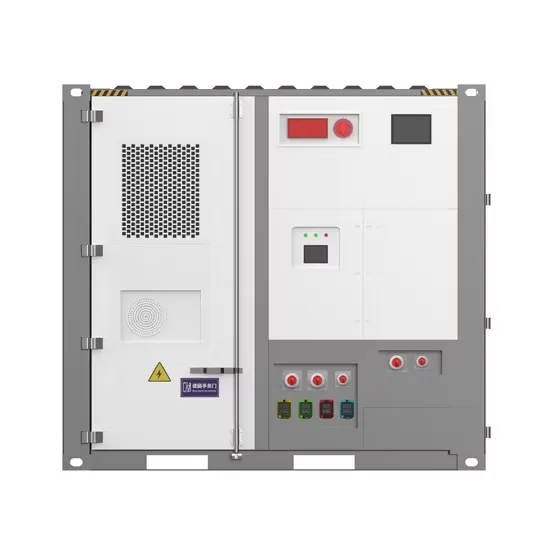
HJ communication base station hybrid energy maintenance
This solution utilizes HuiJue's self-developed intelligent hybrid energy control system, integrating photovoltaic power generation, lithium-ion battery storage, and emergency diesel generator backup power, helping operators transition from “heavy oil dependency” to. . This solution utilizes HuiJue's self-developed intelligent hybrid energy control system, integrating photovoltaic power generation, lithium-ion battery storage, and emergency diesel generator backup power, helping operators transition from “heavy oil dependency” to. . Suitable for new communication sites without grid power or with unstable grid power, providing a modular, integrated hybrid energy system. Note: Some models support flexible capacity expansion, such as upgrading a 6kW system to 8kW by replacing the 4kW module. Prev:Why are there so few domestic. . The communication base station hybrid system emerges as a game-changer, blending grid power with renewable sources and intelligent energy routing. But does this technological fusion truly solve the 37% energy waste plaguing conventional base stations? Modern networks face three critical challenges. . Highjoule's HJ-SG Series Solar Container was built for one purpose: keeping base stations running where there's no grid power. It integrates solar PV, battery storage, backup diesel, and telecom power distribution in one standard container. Communication Base Station Troubleshooting, HuiJue. The Hidden Costs of Reactive Maintenance. .
[PDF Version]
-
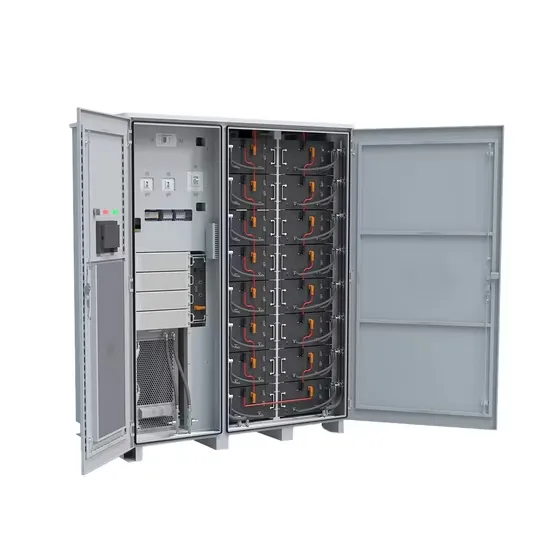
The hybrid energy assembly process of a communication base station includes
The hybrid system consists of main compo-nents such as the solar cells, the RF harvester, a common DC bus, the stabilizer system, and the backup batteries. . Enter hybrid energy systems—solutions that blend renewable energy with traditional sources to offer robust, cost-effective power. So, how exactly are hybrid systems revolutionizing energy for telecom infrastructure? What Are Hybrid Energy Systems? A hybrid energy system integrates multiple energy. . The base transceiver stations (BTS) are telecom infrastructures that facilitate wireless communication between the subscriber device and the telecom operator networks. They are deployed in suitable places having a lot of freely propagating ambient radio frequency (RF) and solar energies. This paper. . In this paper, the energy consumption issue of a cellular Base Transceiver Station (BTS) is addressed and a hybrid energy system is proposed for a typical BTS. for uninterrupted power supply through hybrid energy sources Easy management of installation and deployment, with remote operation and maintenance functions Wall-mounted, pole-holding, floor-mounted and other different installation. .
[PDF Version]
-
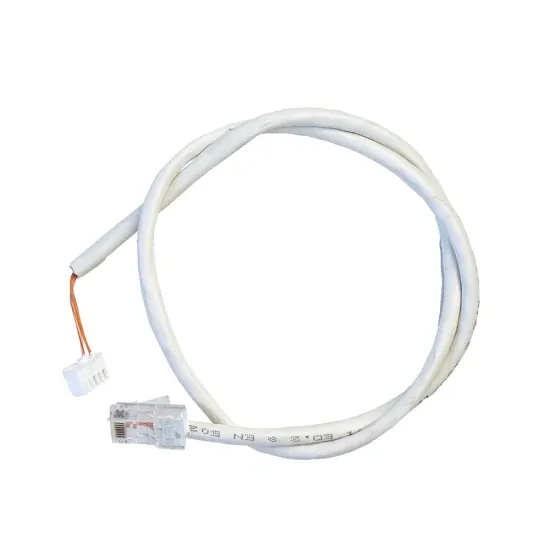
What are the components of the communication base station battery energy storage system
The core hardware of a communication base station energy storage lithium battery system includes lithium-ion cells, battery management systems (BMS), inverters, and thermal management components. . ers lay out low-voltage power distribution and conversion for a b de ion – and energy and assets monitoring – for a utility-scale battery energy storage system entation to perform the necessary actions to adapt this reference design for the project requirements. ABB can provide support during all. . Lithium batteries have emerged as a key component in ensuring uninterrupted connectivity, especially in remote or off-grid locations. These batteries store energy, support load balancing, and enhance the resilience of communication infrastructure. Although there are several battery technologies in use and development today (such as lead-acid and flow batteries), the majority of large-scale electricity. . The battery is a crucial component within the BESS; it stores the energy ready to be dispatched when needed.
[PDF Version]
 MENU